
How to Support Your Wife’s Health During Perimenopause: Nutrition, Testing & Hormone Support
The Husband’s Guide to Perimenopause — Part 3
Nutrition, Functional Testing & Real Solutions for Perimenopause
🌿 Introduction: From Understanding to Action
In Part 1, we explored the biological reality of perimenopause — how hormonal shifts affect the brain, mood, sleep, and nervous system.
In Part 2, we talked about how husbands can support their wives emotionally through better communication, patience, and understanding.
Now we arrive at the question many couples eventually ask:
“What actually helps?”
Because while emotional support is essential, many women navigating perimenopause also need physiological support.
Hormones influence nearly every system in the body — including the brain, metabolism, bones, muscles, and cardiovascular health.
And when those systems begin shifting, lifestyle and targeted health strategies can make a meaningful difference.

🥑 Nutrition That Supports Hormone Balance
Food becomes incredibly important during perimenopause because it influences:
• blood sugar regulation
• inflammation
• gut microbiome balance
• hormone metabolism
• brain function
Instead of restrictive dieting, the goal is metabolic stability.
This means meals that provide steady energy and nourish the nervous system.
Healthy Fats: The Building Blocks of Hormones
Hormones are synthesized from fats, which means healthy fats are essential for hormonal balance.
Helpful sources include:
• avocados
• olives and olive oil
• nuts and seeds
• flax seeds
• chia seeds
• walnuts
These fats also support brain health, mood stability, and cardiovascular function.
Protein for Muscle, Metabolism & Mood
During midlife, women naturally begin losing muscle mass — a process called sarcopenia.
Protein becomes especially important for maintaining:
• metabolic rate
• blood sugar stability
• muscle strength
• energy levels
Good protein sources include:
• lentils and legumes
• tofu (if tolerated)
• high-quality plant proteins
• nuts and seeds
Balanced meals with protein help prevent the blood sugar swings that can worsen fatigue and mood changes.
Seed Cycling for Hormone Support
Some women find gentle support through seed cycling, a nutritional practice that provides nutrients supporting hormone metabolism.
The approach typically involves:
Follicular phase
• flax seeds
• pumpkin seeds
Luteal phase
• sesame seeds
• sunflower seeds
These seeds provide minerals, fiber, and lignans that support detoxification pathways involved in estrogen metabolism.
Herbal Teas That Calm the Nervous System
Simple habits like drinking calming herbal teas can support the nervous system during hormonal transitions.
Helpful options include:
• chamomile
• lemon balm
• nettle
• red raspberry leaf
• holy basil (tulsi)
These herbs gently support relaxation and stress resilience.
🔬 Why Functional Testing Matters
Many women navigating perimenopause are told that their labs are “normal.”
Yet they still feel exhausted, anxious, inflamed, or hormonally imbalanced.
This is where functional testing can provide deeper insight.
Instead of guessing, we investigate the underlying drivers of symptoms.
Functional Blood Chemistry Analysis (FBCA)
Examines patterns in standard blood labs that may indicate:
• inflammation
• metabolic stress
• thyroid trends
• nutrient deficiencies
HTMA (Hair Tissue Mineral Analysis)
Reveals:
• mineral imbalances
• adrenal stress patterns
• heavy metal burden
Minerals such as magnesium, zinc, and copper influence hormone regulation and nervous system function.
GI-MAP Gut Testing
The gut microbiome plays a major role in hormone metabolism.
GI testing can reveal:
• dysbiosis
• gut inflammation
• immune markers
• pathogens affecting digestion
A healthy gut helps regulate estrogen metabolism and immune balance.
MRT Food Sensitivity Testing
Chronic food sensitivities can contribute to:
• inflammation
• fatigue
• digestive issues
• hormone disruption
Identifying and reducing inflammatory foods can improve overall health.
DNA Testing
Genetic testing can provide insight into:
• detoxification pathways
• estrogen metabolism
• inflammation tendencies
• nutrient requirements
Understanding these patterns helps create personalized health strategies.
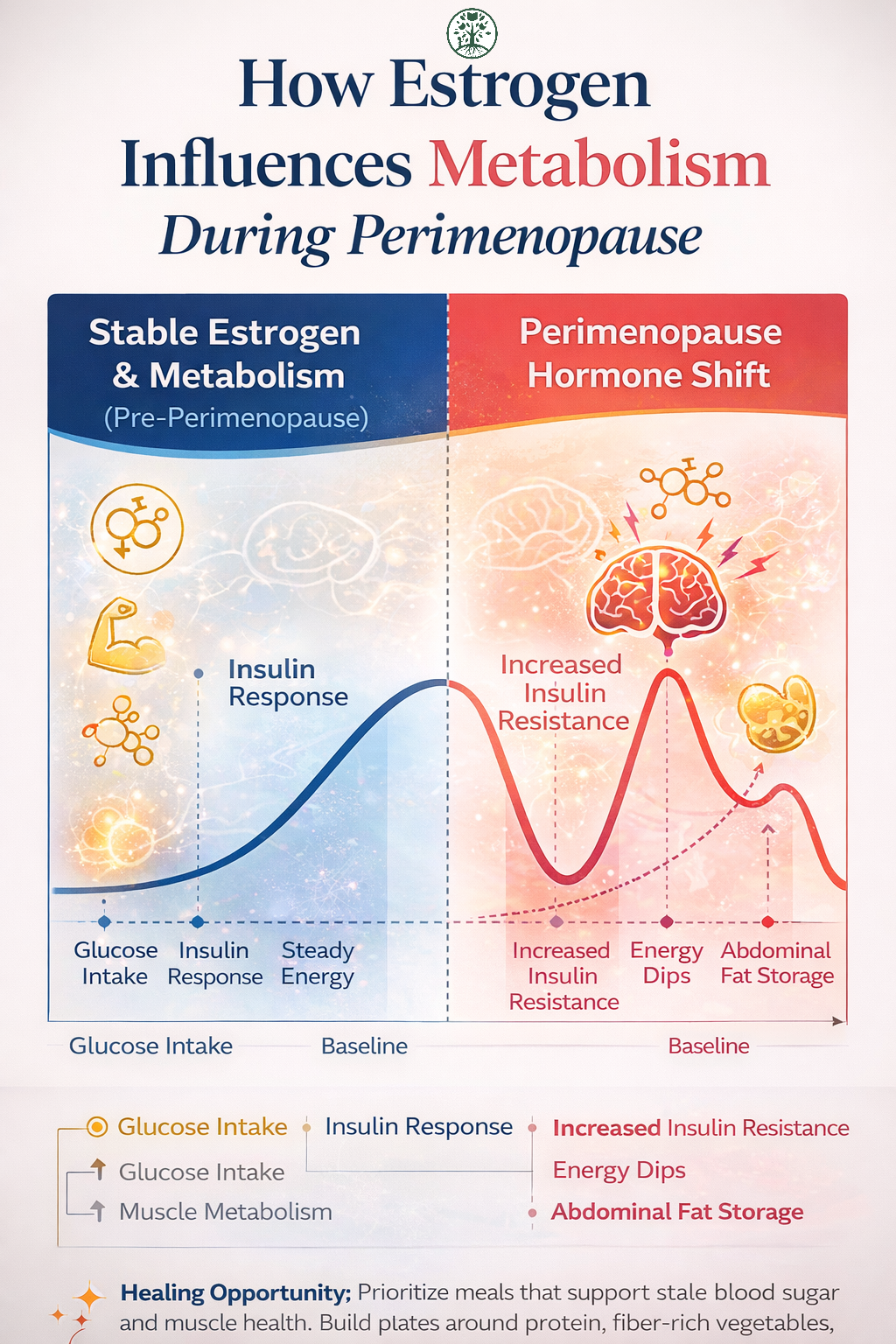
🔬Fun Fact Science Bar+
Did you know that estrogen plays a major role in how the body regulates blood sugar, fat metabolism, and muscle maintenance? During perimenopause, as estrogen begins fluctuating and gradually declining, the body can become more prone to insulin resistance, meaning cells don’t respond to insulin as efficiently as they once did.
This shift can make it easier to gain weight around the abdomen, experience energy crashes, and notice that foods that never caused issues before suddenly lead to fatigue, cravings, brain fog, or irritability.
Researchers have found that estrogen interacts with muscle tissue, liver metabolism, and the brain’s appetite centers, helping regulate how the body uses glucose and stores fat. When estrogen levels fluctuate, these systems can become temporarily less efficient.
👉🏾 Translation: That sudden “why am I gaining belly weight and feeling exhausted after meals?” moment isn’t simply aging or lack of willpower. It’s your hormones, metabolism, and nervous system recalibrating. In Functional Diagnostic Nutrition® language, this can become another Metabolic Chaos® loop, where hormone shifts influence insulin sensitivity, gut health, inflammation, and energy regulation.
✨ Healing Opportunity: Prioritize meals that support stable blood sugar and muscle health. Build plates around protein, fiber-rich vegetables, and healthy fats, with carbohydrates added thoughtfully. Strength training, daily walking, and adequate protein intake help maintain muscle mass, which improves insulin sensitivity and metabolic stability. Nutrient-dense whole foods and balanced meals can help the body adapt more smoothly to hormonal changes.
✝️ Faith Element: Caring for the body’s metabolism is part of wise stewardship. Scripture reminds us that discipline and balance are forms of spiritual wisdom.
“Know ye not that your body is the temple of the Holy Ghost… therefore glorify God in your body.”
— 1 Corinthians 6:19–20
Practicing moderation, nourishing the body with intention, and honoring natural rhythms reflects gratitude for the life and health God has entrusted to us. 🙌🏾
🌸 When Hormone Therapy May Be Worth Exploring
For some women, lifestyle strategies alone may not fully relieve symptoms.
In those cases, discussing hormone therapy with a qualified practitioner may be appropriate.
Bioidentical hormone therapy (BHRT) aims to restore hormone levels closer to physiological balance.
Potential benefits may include:
• improved mood and reduced depression
• better sleep
• improved cognitive function
• increased muscle mass and metabolism
• protection of bone density
• improved libido and sexual health
Estrogen
Supports:
• brain health
• cardiovascular protection
• bone density
• mood regulation
Declining estrogen is strongly associated with osteoporosis risk.
Progesterone
Often the first hormone to decline during perimenopause.
It plays a role in:
• calming the nervous system
• improving sleep
• balancing estrogen effects
Testosterone
Women also produce testosterone.
It supports:
• energy
• muscle mass
• motivation
• libido
Balanced testosterone levels contribute to overall vitality.
🧠 Addressing the Bigger Picture
In Functional Diagnostic Nutrition®, symptoms are rarely isolated problems.
They are signals.
When hormones shift, they often interact with other systems including:
• gut health
• stress response
• detoxification pathways
• nutrient status
This interconnected web is what we often call Metabolic Chaos®.
The goal isn’t just symptom relief.
The goal is restoring balance across the body’s systems.
🙏🏽 Faith Perspective: Caring for the Body with Wisdom
The Bible frequently speaks about wisdom, stewardship, and caring for the body.
Supporting health through nourishing food, rest, and wise medical decisions reflects thoughtful stewardship.
“Whether therefore ye eat, or drink, or whatsoever ye do, do all to the glory of God.”
— 1 Corinthians 10:31
Perimenopause isn’t the end of vitality.
With the right support, many women emerge from this season stronger, wiser, and healthier.
🌿 Final Thoughts
Perimenopause is a natural transition — but it doesn’t have to be navigated blindly.
With understanding, communication, nutrition, functional testing, and thoughtful medical support, couples can approach this season with confidence.
The journey may require patience.
But it can also become an opportunity for deeper health and stronger relationships.
📍 Ready to Investigate the Root Causes?
If you or your wife are navigating perimenopause symptoms and want a deeper understanding of what’s happening in the body, functional testing can provide valuable insights.
As a Traditional Naturopath and Functional Diagnostic Nutrition® Practitioner, I work with women to uncover the underlying stressors contributing to hormonal imbalance and create personalized strategies for restoring health.
Because perimenopause may be inevitable.
But unnecessary suffering doesn’t have to be.
👉🏾 Schedule a consultation with Leaves from the Tree of Life LLC
Invest in your health, invest in you—because a healthier lifestyle is a luxury you deserve.
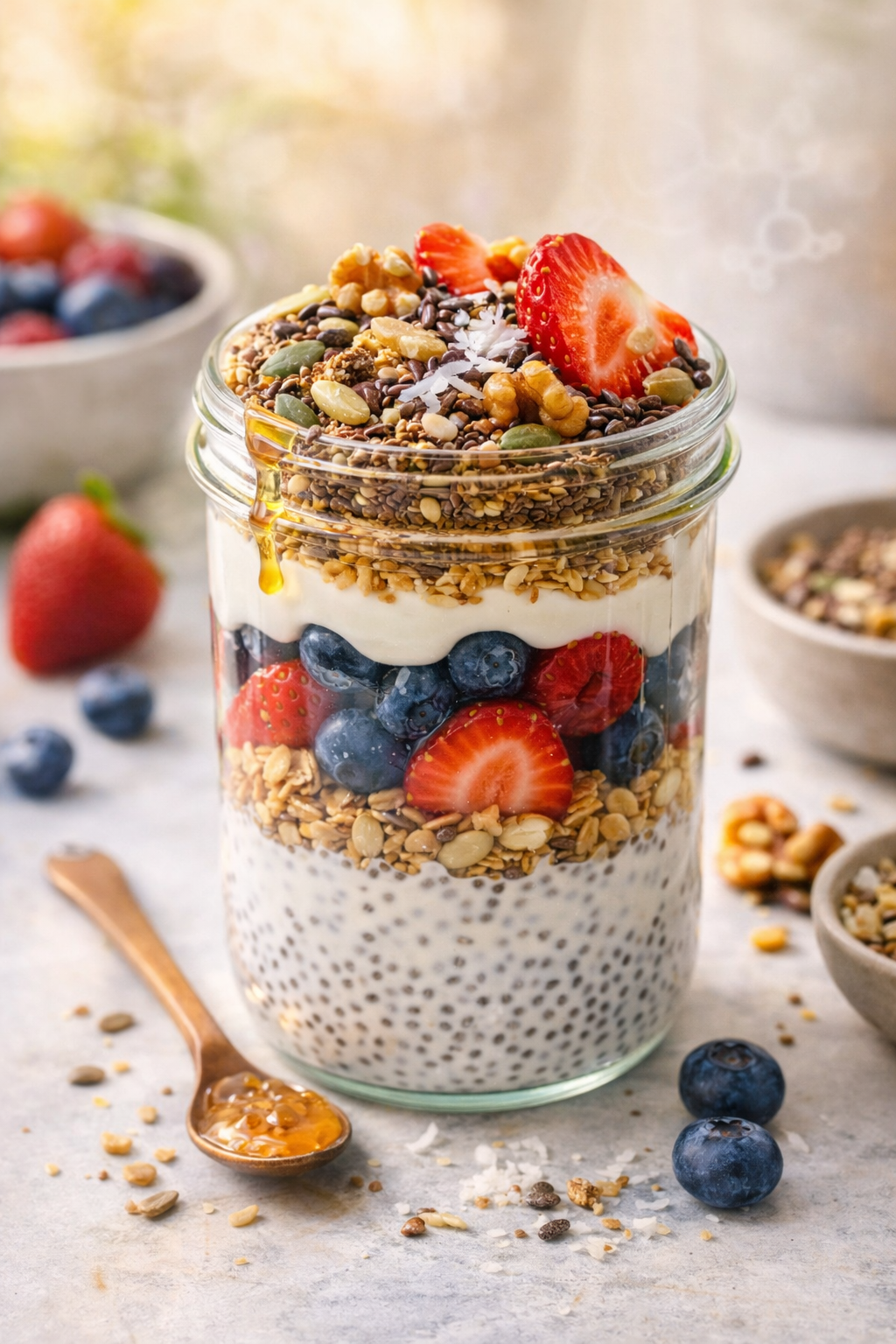
🥣🌻 Hormone Harmony Seed-Cycle Breakfast Parfait
A Brain-Boosting, Hormone-Supporting Morning Ritual
This vibrant parfait layers fiber, protein, healthy fats, and hormone-supportive seeds to help stabilize blood sugar, nourish the gut microbiome, and support healthy estrogen metabolism during perimenopause.
It’s creamy, crunchy, slightly tart, naturally sweet—and visually gorgeous.
⏱ Prep Time: 10 minutes
🍽 Servings: 2 parfaits
🛒 Ingredients
🌿 Parfait Base
• 1 cup unsweetened coconut yogurt or almond yogurt
• ½ cup chia pudding (pre-soaked chia seeds in almond milk overnight)
• ½ cup fresh berries (blueberries, raspberries, or strawberries)
• ¼ cup granola or toasted oats
• 1 tsp raw honey or date syrup (optional)
🌱 Seed Cycling Mix
Follicular Phase (Day 1–14 of cycle)
• 1 tbsp ground flax seeds
• 1 tbsp pumpkin seeds
Luteal Phase (Day 15–28 of cycle)
• 1 tbsp sesame seeds
• 1 tbsp sunflower seeds
🍓 Optional Toppings
• sliced banana
• shredded coconut
• cacao nibs
• chopped walnuts
• cinnamon sprinkle
👩🏽🍳 Step-by-Step Instructions
1️⃣ Prepare the chia pudding
If not already made:
Mix in a jar:
• 2 tbsp chia seeds
• ½ cup almond milk
• pinch cinnamon
Let sit 4–6 hours or overnight until thick.
2️⃣ Prepare the seed mix
Choose the seeds based on the menstrual phase:
Follicular phase: flax + pumpkin
Luteal phase: sesame + sunflower
Lightly grind flax seeds for better absorption.
3️⃣ Layer the parfait
In a tall glass or bowl layer:
1️⃣ Coconut yogurt
2️⃣ Chia pudding
3️⃣ Fresh berries
4️⃣ Granola or oats
5️⃣ Seed cycling mix
Repeat layers until full.
4️⃣ Add toppings
Top with:
🥥 shredded coconut
🍓 extra berries
🌰 walnuts
🍫 cacao nibs
🍯 drizzle honey
Serve immediately.
🧠 Why This Breakfast Supports Perimenopause
Each ingredient contributes something meaningful to hormonal balance.
🌱 Flax Seeds
Rich in lignans, which help support healthy estrogen metabolism and provide fiber for gut health.
🎃 Pumpkin Seeds
High in zinc and magnesium, important for hormone regulation and nervous system stability.
🌻 Sunflower Seeds
Contain selenium, which supports thyroid function and detoxification pathways.
🌿 Sesame Seeds
Provide calcium and lignans, supporting bone health and estrogen balance.
🫐 Berries
Packed with antioxidants that help reduce inflammation and support brain health.
🥥 Coconut Yogurt
Provides healthy fats and probiotics that nourish the gut microbiome.
🌰 Walnuts
Contain omega-3 fatty acids that support mood stability and cognitive function.
🔬 Functional Nutrition Insight
Seed cycling helps provide nutrients that support estrogen metabolism and hormone detoxification pathways in the liver and gut.
Combined with fiber and healthy fats, this parfait helps stabilize blood sugar and reduce the Metabolic Chaos® loops that can aggravate mood swings, fatigue, and cravings during perimenopause.
The endocrine system appreciates rhythm. Breakfast can help set that rhythm.
🙏🏽 Faith Element
Morning routines can be moments of gratitude.
Preparing nourishing food and beginning the day intentionally reflects stewardship of the body God entrusted to us.
“Whether therefore ye eat, or drink, or whatsoever ye do, do all to the glory of God.”
— 1 Corinthians 10:31
Sometimes wellness begins with a simple, peaceful breakfast.
📚 References
🌸 Perimenopause / Menopause & Hormone Health
British Menopause Society — What is the Menopause? (overview of symptoms, hormonal shifts, and health changes during the menopausal transition)
👉🏾 https://thebms.org.uk/wp-content/uploads/2026/01/17-NEW-BMS-TfC-What-is-the-menopause-JAN2026-A.pdf
NICE CKS — Management of menopause/perimenopause (guidance on symptoms, hormone therapy, and lifestyle management)
👉🏾 https://cks.nice.org.uk/topics/menopause/management/management-of-menopause-perimenopause-or-premature-ovarian-insufficiency/
Women’s Health Concern — Menopause and Wellbeing (hormones, lifestyle approaches, and symptom management)
👉🏾 https://www.womens-health-concern.org/help-and-advice/factsheets/menopause/
North American Menopause Society (NAMS) — Menopause Practice and Hormone Therapy Information
👉🏾 https://www.menopause.org/patient-education/menopause-topics/hormone-therapy
🧠 Hormones, Metabolism & Insulin Sensitivity
Barros & Gustafsson, 2011 — Estrogen receptors and metabolic regulation
👉🏾 https://pubmed.ncbi.nlm.nih.gov/21427216/
Mauvais-Jarvis, 2015 — Estrogen and androgen receptors in metabolic health and insulin sensitivity
👉🏾 https://pubmed.ncbi.nlm.nih.gov/21109497/
Harvard Health Publishing — Perimenopause and metabolism changes
👉🏾 https://www.health.harvard.edu/womens-health/perimenopause-rocky-road-to-menopause
🥑 Nutrition, Blood Sugar Regulation & Metabolic Health
Harvard T.H. Chan School of Public Health — Healthy Eating Plate and metabolic health
👉🏾 https://www.hsph.harvard.edu/nutritionsource/healthy-eating-plate/
NIH — Dietary patterns and metabolic health
👉🏾 https://www.ncbi.nlm.nih.gov/books/NBK53550/
American Heart Association — Healthy fats and cardiovascular health
👉🏾 https://www.heart.org/en/healthy-living/healthy-eating/eat-smart/fats
🦵🏽 Muscle Mass, Bone Health & Midlife Women
Bone Health during the Menopause Transition and Beyond
👉🏾 https://pmc.ncbi.nlm.nih.gov/articles/PMC6226267/
What Women Need to Know
👉🏾 https://www.bonehealthandosteoporosis.org/preventing-fractures/general-facts/what-women-need-to-know/
Resistance training alters body composition in middle-aged women depending on menopause - A 20-week control trial
👉🏾 https://link.springer.com/article/10.1186/s12905-023-02671-y
💊 Hormone Therapy & Menopause Management
The North American Menopause Society — Hormone Therapy Position Statement
👉🏾 https://amwa-doc.org/wp-content/uploads/2025/10/2022-Hormone-Therapy-Position-Statement-for-endorsement.pdf
NIH — Menopausal hormone therapy overview
👉🏾 https://www.ncbi.nlm.nih.gov/books/NBK279050/
🙏🏽🌿 Lifestyle Medicine & Longevity
Harvard T.H. Chan School of Public Health — Lifestyle medicine and chronic disease prevention
👉🏾 https://www.hsph.harvard.edu/lifestylemedicine/
Adventist Health Studies — Lifestyle patterns, nutrition, and longevity research
👉🏾 https://adventisthealthstudy.org/studies
Blog Disclaimer
The health information on this blog is for general educational purposes only and is not intended to diagnose, treat, cure, or prevent any disease. It should not be used as a substitute for professional medical advice. Always consult a qualified healthcare provider before making any health-related decisions
This blog may contain affiliate links, meaning Leaves from the Tree of Life LLC may earn a small commission if you purchase a product or service through these links—at no additional cost to you. Your support helps us continue to provide valuable content. Thank you!
