
The New US “Inverted Food Pyramid”: Protein Hype, Industry Ties & Why Whole-Food Plant-Based Still Wins
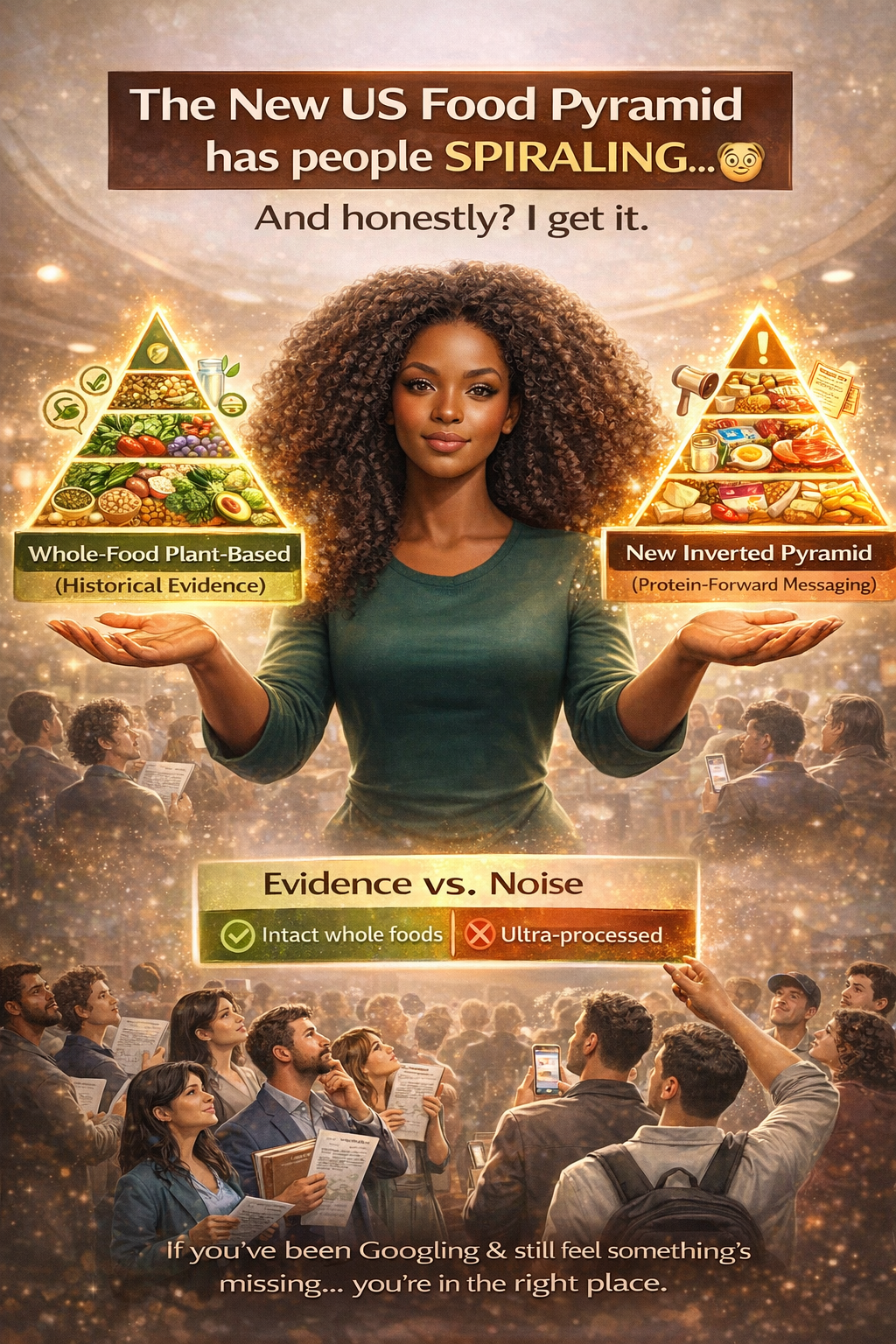
🧭🍽️ The New US Food Pyramid Has People Spiraling… and Honestly? I Get It.
If you’ve been Googling/DuckDuckGo’ing, scrolling, praying, asking the ground for answers (no judgment), and still feeling like something is missing… welcome. You’re in the right place.
Because the new US “inverted” food pyramid messaging is loud: “Prioritize protein foods at every meal.” Some versions of the guidance floating online also repeat a daily protein target of ~1.2–1.6 g/kg/day—a big jump from the long-standing “minimum” benchmark many people know.
And while parts of the message sound reasonable (less added sugar, fewer ultra-processed foods—yes please), the overall vibe has left a lot of people asking:
Why the sudden protein push?
Why the warm welcome for animal foods again?
Where does this leave plant-based eaters… or people trying to reverse Metabolic Chaos®?
Let’s walk it through like a grown-up (but make it friendly).
🥩🕵🏾♀️📣 Who was involved in the new “inverted” food pyramid… and why are people side-eyeing it?
If you’ve been scrolling like, “Wait… who even wrote this?” — same. So here’s the clean, no-drama, read-the-disclosures version (with just enough INTJ detective energy to keep it honest).
🧾 The names attached to the “Scientific Foundation” document
In The Scientific Foundation for the Dietary Guidelines for Americans, 2025–2030 (the report published alongside the rollout), the document says it was developed with input from Subject Matter Experts (SMEs), and it lists them by name:
Ty Beal, Benjamin Bikman, James Brenna, Michael Goran, Donald Layman, Heather Leidy, Mina Taha, Jeff Volek, and Daisy Zamora.
And yes—this same report includes a “Summary of SME Disclosures” section (aka: the part everyone should read before they start fighting in the comments).
👀 What the published disclosure table shows (high-level, transparent snapshot)
Here’s the “what people are reacting to” portion—as stated in the disclosure table:
James Brenna — disclosures include relationships with National Cattlemen’s Beef Association / Texas Beef Council, plus multiple dairy-related organizations (e.g., National Dairy Council, Dairy Management Inc., Global Dairy Platform), among other items listed.
Donald Layman — disclosures include relationships/research support involving National Cattlemen’s Beef Association and Dairy Management Inc., among others.
Heather Leidy — disclosures include consulting/speaking relationships that list National Cattlemen’s Beef Association and Dairy Management Inc., among others.
Mina Taha — disclosures include dairy-related funding/projects (e.g., California Dairy Research Foundation; Dairy Management Inc. appears in project funding context).
Jeff Volek — disclosures include being co-founder with equity stake in Virta Health and an advisory role with Simply Good Foods, plus other listed items (e.g., book royalties).
Daisy Zamora — shown as N/A across several disclosure categories in the table presented.
🧨 Why the internet is doing the most about this
STAT’s reporting (the one you linked) describes the controversy plainly: some advisers involved in the scientific basis for the new guidance had financial ties to beef/dairy industries, and critics argue that matters when recommendations appear to favor those industries.
So when the messaging shifts hard toward “prioritize protein foods” and multiple contributors disclose ties to industries that benefit from higher animal-protein consumption… people are going to ask questions. Loudly. Possibly in all caps. On Facebook. 😅
⚖️ because we do science and integrity
Having disclosed ties does not automatically mean: “the science is fake.”
It does mean:
we should read the conclusions with extra care,
notice what gets emphasized vs. minimized, and
compare the messaging against the broader totality of evidence, not just one report.
Basically: disclosure ≠ conviction, but it is a reason to keep your brain online while reading.
🌾🚨 “Grains” in Those Charts Are Often Ultra-Processed (Not Biblical Bread)
A huge chunk of the online “gotcha” charts showing rising “grain” intake are really tracking modern grain products—think refined flour, boxed cereals, crackers, pastries, ultra-processed breads—often paired with seed oils, added sugars, and additives.
That’s not the same thing as:
intact whole grains (oats, barley, brown rice, millet),
minimally processed grains (steel-cut oats),
or traditional sourdough made with simple ingredients.
So yes—if the “grain” people increased is mostly ultra-processed, that fits perfectly with what we see clinically: rising metabolic chaos patterns (blood sugar dysregulation, fatty liver, insulin resistance, dyslipidemia, gut dysfunction).
And here’s the evidence anchor: ultra-processed diets don’t just correlate with problems—an NIH inpatient randomized trial showed people ate more calories and gained weight on an ultra-processed diet even when meals were matched for macros, sugar, sodium, fiber, and presented calories.
Also: a large umbrella review in BMJ found higher ultra-processed food exposure was associated with a range of adverse outcomes, especially cardiometabolic.
So when someone says, “See? Grains made us sick,” what they often mean is:
“Ultra-processed, refined, additive-heavy modern foods contributed to disease risk.”
That’s a very different sentence. And it’s a more accurate one.
🕰️🌍 Blue Zones + Adventist Longevity: The “Boring” Pattern That Keeps Winning
If we’re going to talk historical evidence, we have to talk about dietary patterns that repeatedly show up in long-living populations:
Blue Zones (pattern, not perfection)
Blue Zone eating patterns are plant-predominant (beans, greens, tubers, whole plant staples), with animal foods historically small, infrequent, or used as a condiment rather than the main character.
Seventh-day Adventist cohorts (real data, not vibes)
The Adventist Health Study-2 has published findings showing vegetarian dietary patterns were associated with lower all-cause mortality (and favorable health outcomes overall in multiple publications).
That doesn’t mean “everyone must be vegan tomorrow.” It means the direction of travel that repeatedly shows benefits looks like:
more whole plants, more fiber, less ultra-processed food, less processed meat, and less saturated fat as the default fuel.
And for anyone tempted to say, “Well, meat is fine because it’s natural,” let’s stay honest: today’s food system isn’t Eden. Which leads us to…
🧪🧃 The Real Culprit Behind Rising Chronic Disease: Ultra-Processed + Industrialized Food Systems
You asked me to explicitly note that increases in cancer/heart disease/diabetes are tied to “adulterated foods.” The cleanest, evidence-based way to say this is:
Ultra-processed foods are consistently associated with cardiometabolic risk and adverse outcomes.
Processed meat has been classified as carcinogenic to humans (Group 1) by IARC/WHO; red meat is classified as probably carcinogenic (Group 2A).
Now, about the other concerns you listed (GMOs, hormones, antibiotics, vaccines in animals):
There are real, legitimate concerns about industrial food production, including pesticide exposure, antibiotic use in livestock (and antibiotic resistance), and overall quality/processing.
But the strongest human outcome evidence we can point to reliably, over and over, is the ultra-processed dietary pattern and the processed meat risk data, not “GMO = cancer” type claims (which are not supported cleanly enough to state as fact).
So I’ll say it this way, professionally:
Your chronic disease risk rises most consistently when your diet shifts toward ultra-processed foods and away from fiber-rich whole plant foods—especially when animal foods are highly processed or displace plant diversity.
🔬✨ Fun Fact Science bar+
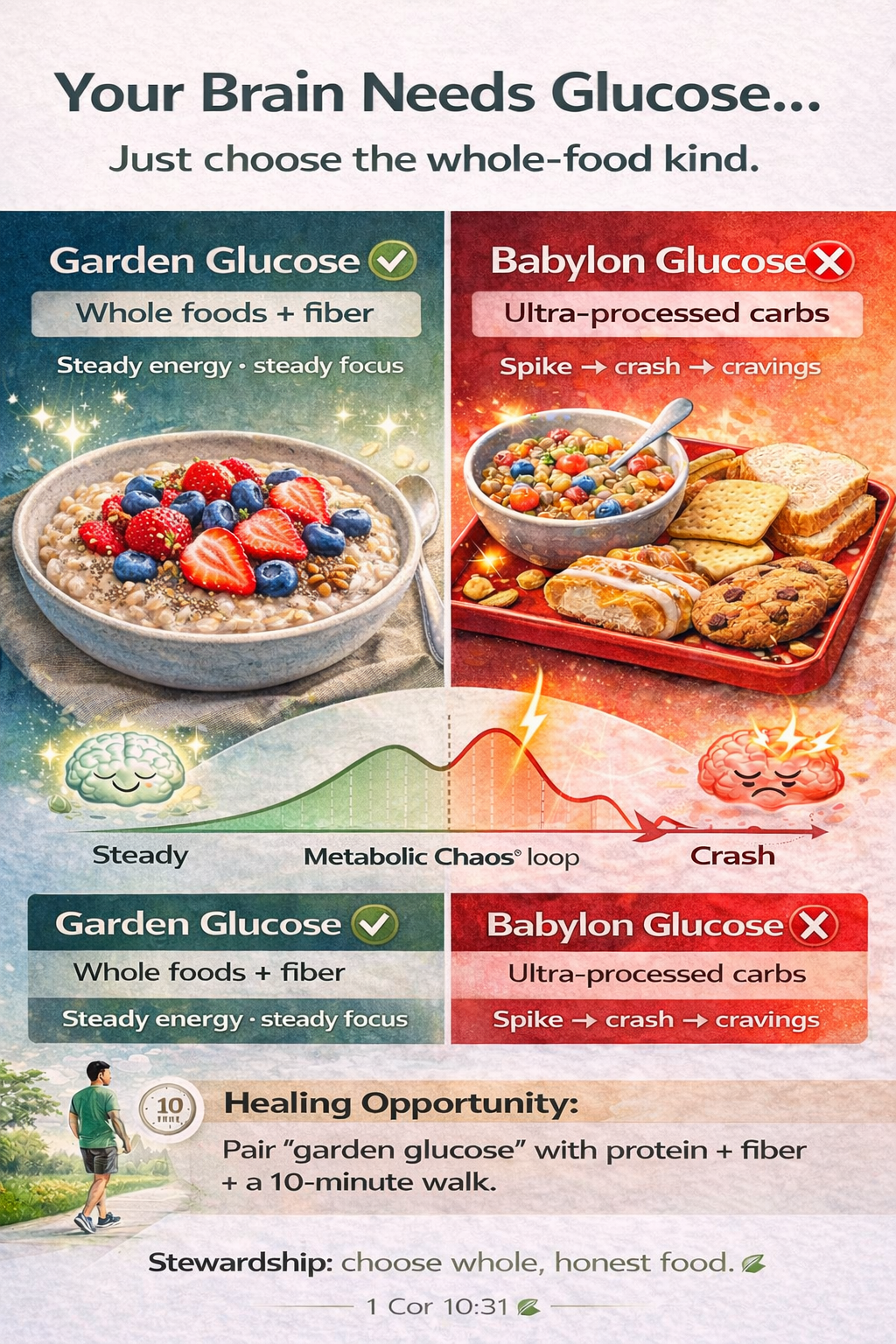
Did you know your brain runs largely on glucose—but it’s designed to get that fuel best from whole foods, not ultra-processed “carb products”? When glucose comes packaged with fiber + minerals (beans, lentils, oats, fruit, sweet potato), it enters the bloodstream more slowly and supports steadier focus, mood, and energy. Ultra-processed carbs (boxed cereal, crackers, pastries, white bread) hit faster and harder—often followed by a crash that can feel like irritability, cravings, brain fog, and “why am I starving again?” energy.
👉🏾 Translation:
Your brain doesn’t need less glucose—it needs better glucose. That “carbs are the enemy” narrative is usually just confusion between intact plants and ultra-processed grains. In FDN language, the crash cycle is a classic Metabolic Chaos® loop.
✨ Healing Opportunity:
Pick one “garden glucose” per meal (beans/lentils, intact oats/quinoa/brown rice, fruit, sweet potato) and pair it with protein + fiber. If you’re sensitive, start smaller and build up. Then take a 10-minute walk—because your muscles are basically glucose sponges when you move.
✝️ Faith Element:
God’s design isn’t “no carbs”—it’s whole, honest food. Choosing intact foods is stewardship: less chaos, more clarity, and more capacity to serve. 🙌🏾
📖🌿 Bible + Adventist Health Message: The Original “Back to the Garden” Blueprint
The Biblical dietary arc begins in a plant-forward place:
Genesis 1:29 frames whole plant foods as foundational.
Throughout Scripture, we see themes of temperance, stewardship, and the body as God’s temple (e.g., 1 Corinthians 6:19–20).
And as Seventh-day Adventists, we also recognize a health message that emphasizes simplicity, whole foods, and avoiding stimulants and excess.
Which brings us to Ellen G. White—because yes, people scoff. But “scoffing” isn’t a scientific argument.
You provided these quotes, and they’re striking because they match modern personalization and food-prep realities:
“They subsist upon a poor quality of food, prepared without reference to the nourishment of the system…” (CTBH 56.3)
“There is real common sense in health reform. People cannot all eat the same things…” (CTBH 57.1)
And on meat eating:
“Eating of the flesh of dead animals is deleterious to the health…” (Lt 54, 1896, par. 13)
Whether someone accepts EGW as inspired or not, the practical alignment is hard to ignore:
individualized nutrition
careful preparation
less reliance on animal foods
and a recognition that “change” can feel hard at first
That’s not fringe. That’s ahead of its time.
🧩🔎 “Test, Don’t Guess”: Why Functional Testing Ends the Internet Spiral
Here’s the part most people miss while arguing macro percentages on social media:
You are not a macro equation. You are a person.
And when someone’s body is in Metabolic Chaos®, the most loving thing you can do is stop guessing and start gathering data—so you can find real healing opportunities.
Functional testing helps answer: “Why is THIS happening to ME?”
Here’s how your listed tools fit:
GI-MAP (DNA stool test): maps gut microbes, opportunists, H. pylori markers, digestion/inflammation patterns—helpful for the “my gut is running my life” crowd.
MRT (Mediator Release Test): helps identify immune-mediated food triggers (often used when people feel inflamed, reactive, or stuck).
DUTCH: looks at hormone metabolites + stress patterns—helpful for cycle chaos, sleep issues, and that “why do I feel like a different person?” season.
DNA Hormones / DNA Gut: shows genetic tendencies that can influence detox pathways, inflammation signaling, and nutrient needs—so we don’t hand you a one-size protocol.
FBCA (functional blood chemistry analysis): shows trends and patterns that can highlight blood sugar dysregulation, nutrient depletion, inflammation terrain, and more—often where “everything is normal” still isn’t optimal.
The point isn’t to chase labs forever. The point is to stop living on Google crumbs and start working with your own data.
😮💨👀 So… Is Whole-Food Plant-Based Still “Superior”?
If we define “superior” as:
most consistently associated with better cardiometabolic outcomes, more fiber, more micronutrients, lower ultra-processed intake, and a pattern seen in long-living groups, then yes—a whole-food, plant-predominant pattern is still the strongest historical and research-backed foundation.
But I’ll say it in Rosalyn-style:
Plants still do the heavy lifting.
Protein isn’t the villain.
Ultra-processed food is the chaotic ex that keeps texting your metabolism at 2am.
✅🌱 Your “Right Now” Action Plan (Because You Deserve Clarity)
Audit your “grains.”
If your grains are mostly refined/packaged, don’t blame oats for what crackers did.Build protein the plant-forward way first.
Beans/lentils, tofu/tempeh, edamame, nuts/seeds—then customize based on your digestion, hormones, and goals.If you’re symptomatic, stop guessing. Start testing.
That’s where we uncover your personal healing opportunities—and stop the metabolic chaos loop.
📣💛 Come Get the Missing Piece
If you’re done spiraling and ready for actual answers, I can help you map what your body has been trying to say:
✨ Book a consultation with me (Traditional Naturopath + Functional Diagnostic Nutrition® Practitioner). We’ll decide together whether GI-MAP, MRT, DUTCH, DNA, and/or FBCA fits your symptoms and goals—so you’re not spending another month “researching” yourself into exhaustion.
Because you don’t need louder opinions.
You need clean data + a faith-rooted plan + a body that finally feels safe again.
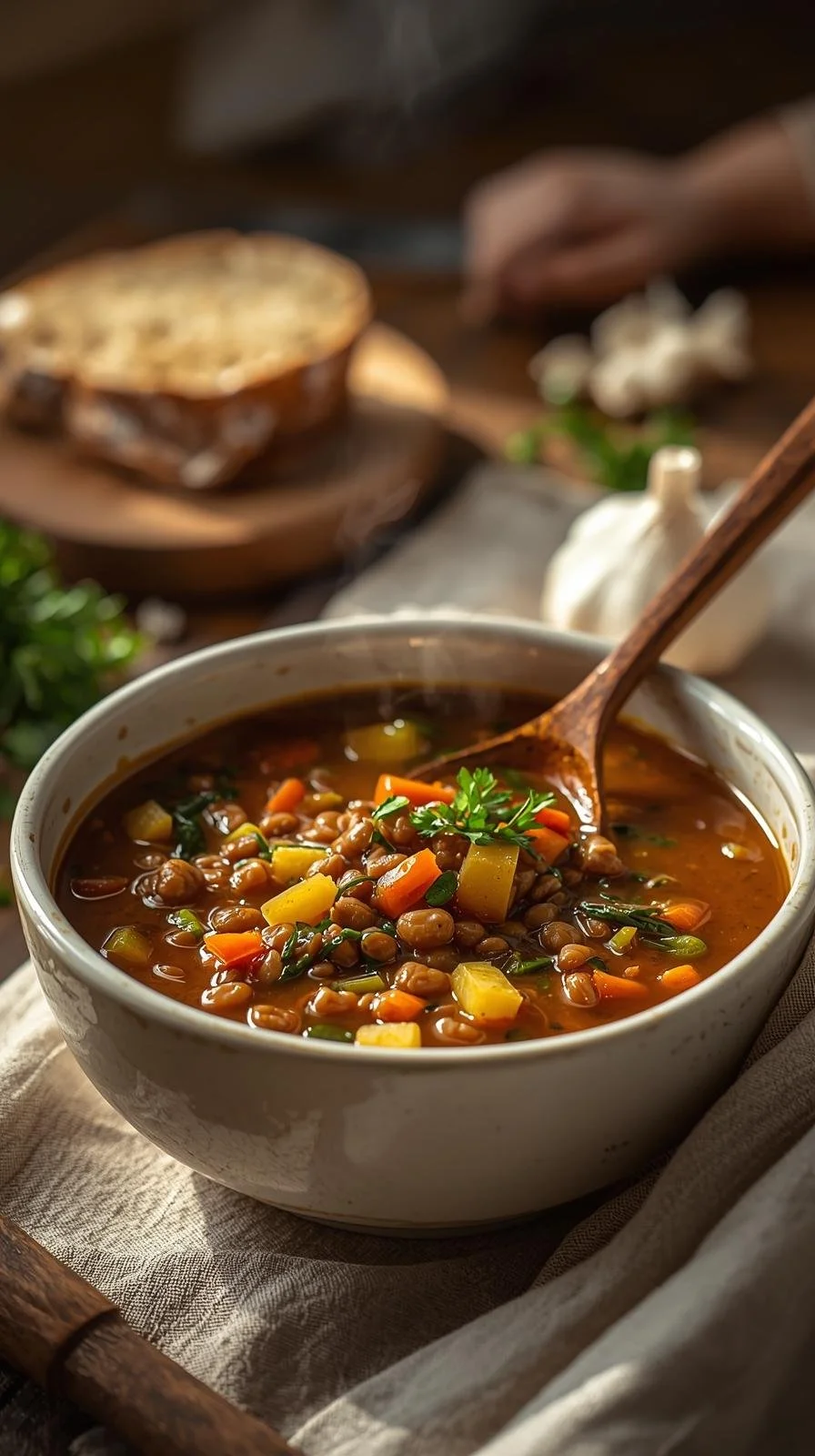
🌿 Must-Try Hearty Lentil Stew (Whole-Food Plant-Based + Cozy)
A thick, satisfying, “how is this plant based?” kind of stew. High-fiber, protein-rich, and microbiome-happy—aka a gentle way to step out of Metabolic Chaos® and into real healing opportunities. 😌🥣
⏱️ Time
Prep: 15 min
Cook: 35–40 min
Total: ~55 min
Serves: 4–6
🛒 Ingredients (Whole Plant-Based)
Base
1 tbsp olive oil (or ¼ cup veg broth for oil-free sauté) 🫒
1 medium onion, chopped 🧅
3 cloves garlic, minced 🧄
2 medium carrots, diced 🥕
2 celery stalks, diced 🌿
1 large potato, diced (or sweet potato) 🥔
1 cup green or brown lentils, rinsed 🫘
4 cups vegetable broth 🍲
1 can (14 oz / 400g) diced tomatoes 🍅
Seasoning + “wow”
1 tsp smoked paprika 🌶️
1 tsp dried thyme 🌿
1 tsp ground cumin (optional but highly recommended) ✨
1 bay leaf (optional) 🍃
½–1 tsp sea salt, to taste 🧂
Black pepper, to taste ⚫️
Finish (choose your vibe)
2 big handfuls kale or spinach, chopped (optional) 🥬
1–2 tbsp lemon juice or apple cider vinegar (brightens everything) 🍋
Fresh parsley or cilantro, chopped 🌱
Optional upgrades (chef’s kiss)
1–2 tbsp tomato paste (deepens flavor) 🍅
1 tsp mild chili flakes (heat) 🔥
½ cup mushrooms (umami boost) 🍄
½ tsp cinnamon (tiny pinch = “what IS that flavor?”) 🤫
👩🏾🍳 Step-By-Step Instructions (Easy + Foolproof)
1) Sauté the base (5–7 min) 🧅🧄
In a large pot over medium heat, sauté onion + carrots + celery with olive oil (or broth) until onion is soft and fragrant.
Add garlic and stir for 30–60 seconds (don’t burn it—garlic is dramatic).
2) Bloom the spices (1 min) 🌶️🌿
Add smoked paprika, thyme, cumin (and tomato paste if using). Stir until the spices smell amazing.
3) Build the stew (2 min) 🍅🥔
Add lentils, potatoes, diced tomatoes, broth (and bay leaf). Stir well.
4) Simmer (30–35 min) 🫧
Bring to a boil, then reduce to a gentle simmer.
Cover and cook 30–35 minutes, stirring occasionally, until lentils are tender and potatoes are soft.
5) Make it thick + hearty (2–3 min) 🥣
For a stew texture:
Scoop out 1–2 cups, blend or mash, then stir back in.
(Or just mash some potatoes against the side of the pot.)
6) Finish like a pro (2 min) 🍋🌿
Stir in kale/spinach until wilted.
Add lemon juice/ACV, salt, and pepper to taste.
Top with herbs and serve.
🍽️ Serving Ideas (so it feels like a meal)
Over brown rice or quinoa 🍚
With whole-grain sourdough or cornbread 🌽
Add a side salad with pumpkin seeds 🥗
Optional: a dollop of unsweetened cashew yogurt for creaminess 😮💨
🌟 Health Benefits (Ingredient-by-Ingredient)
🫒 Olive Oil
Supports absorption of fat-soluble nutrients (A, D, E, K) and adds satisfaction.
🧅 Onion
Prebiotic fibers feed beneficial gut bacteria; contains antioxidant compounds that support overall cellular health.
🧄 Garlic
Prebiotic + antimicrobial properties; supports immune function and gut ecology balance.
🥕 Carrots
Rich in beta-carotene (vitamin A precursor) for skin/immune support; gentle fiber for regularity.
🌿 Celery
Hydrating, mineral-rich (potassium), and adds gut-friendly fiber and plant compounds.
🥔 Potato
Potassium + resistant starch (especially when cooled after cooking), which can support microbiome health.
🫘 Lentils
A WFPB powerhouse: plant protein + iron + folate + magnesium + loads of fiber → supports blood sugar steadiness, satiety, and bowel regularity.
🍲 Vegetable Broth
Hydration + minerals; helps the stew feel comforting without heaviness.
🍅 Diced Tomatoes
Lycopene + vitamin C + flavor depth; supports antioxidant status.
🌶️ Smoked Paprika
Adds flavor without needing meat; provides antioxidant plant compounds.
🌿 Thyme
Traditional digestive support herb; adds antimicrobial plant compounds.
🍋 Lemon / ACV (finish)
Brightens flavor and may support mineral absorption—also helps reduce the “flat” taste in soups.
🥬 Kale/Spinach (optional)
Folate, vitamin K, magnesium, and chlorophyll-rich greens to level up micronutrients.
🧊 Storage + Meal Prep
Fridge: 4–5 days
Freezer: up to 3 months
Pro tip: It tastes even better the next day. (Stew glow-up is real.) ✨
📚 References
🧾 Policy + Panel Oversight
STAT News — Review panel financial ties to beef/dairy industry (Jan 7, 2026)
👉🏾 https://www.statnews.com/2026/01/07/new-dietary-guidelines-review-panel-financial-ties-beef-dairy-industry/
Scientific Report of the 2025 Dietary Guidelines Advisory Committee (primary source)
👉🏾 https://www.dietaryguidelines.gov/2025-advisory-committee-report
Scientific Foundation for the 2025–2030 Dietary Guidelines (primary source)
👉🏾 https://www.usda.gov/about-usda/news/press-releases/2026/01/07/kennedy-rollins-unveil-historic-reset-us-nutrition-policy-put-real-food-back-center-health
🧪 Ultra-Processed Foods (NIH Trial)
NIH Research Matters — Eating highly processed foods linked to weight gain (May 21, 2019)
👉🏾 https://www.nih.gov/news-events/nih-research-matters/eating-highly-processed-foods-linked-weight-gain
Hall et al. — Ultra-processed diets cause excess calorie intake and weight gain (Cell Metabolism)
👉🏾 https://www.cell.com/cell-metabolism/fulltext/S1550-4131(19)30248-7
🌿 Adventist Health Study (Plant-Based Patterns)
Orlich et al. — Vegetarian dietary patterns and mortality in Adventist Health Study-2 (JAMA Internal Medicine, 2013)
👉🏾 https://pubmed.ncbi.nlm.nih.gov/23836264/
Tonstad et al. — Vegetarian diets and incidence of diabetes (Adventist Health Study-2)
👉🏾 https://pubmed.ncbi.nlm.nih.gov/19351712/
🥩 WHO / IARC Processed Meat References
WHO Q&A — Carcinogenicity of the consumption of red meat and processed meat (Oct 26, 2015)
👉🏾 https://www.who.int/news-room/questions-and-answers/item/cancer-carcinogenicity-of-the-consumption-of-red-meat-and-processed-meat
IARC Press Release 240 (PDF) — Processed meat classified carcinogenic; red meat probably carcinogenic
👉🏾 https://www.iarc.who.int/wp-content/uploads/2018/07/pr240_E.pdf
IARC Monographs Volume 114 (PDF) — Red Meat and Processed Meat
👉🏾 https://publications.iarc.who.int/_publications/media/download/5356/ed8f6cfc791cd8aa1dfe2e6854ccaa44572a3444.pdf
Blog Disclaimer
The health information on this blog is for general educational purposes only and is not intended to diagnose, treat, cure, or prevent any disease. It should not be used as a substitute for professional medical advice. Always consult a qualified healthcare provider before making any health-related decisions
This blog may contain affiliate links, meaning Leaves from the Tree of Life LLC may earn a small commission if you purchase a product or service through these links—at no additional cost to you. Your support helps us continue to provide valuable content. Thank you!
