Your Brain on Estrogen: Menopause, Memory & the Alzheimer’s Question Nobody Should Oversimplify
Could Estrogen Therapy Protect the Midlife Brain? What the New Alzheimer’s Research Actually Says
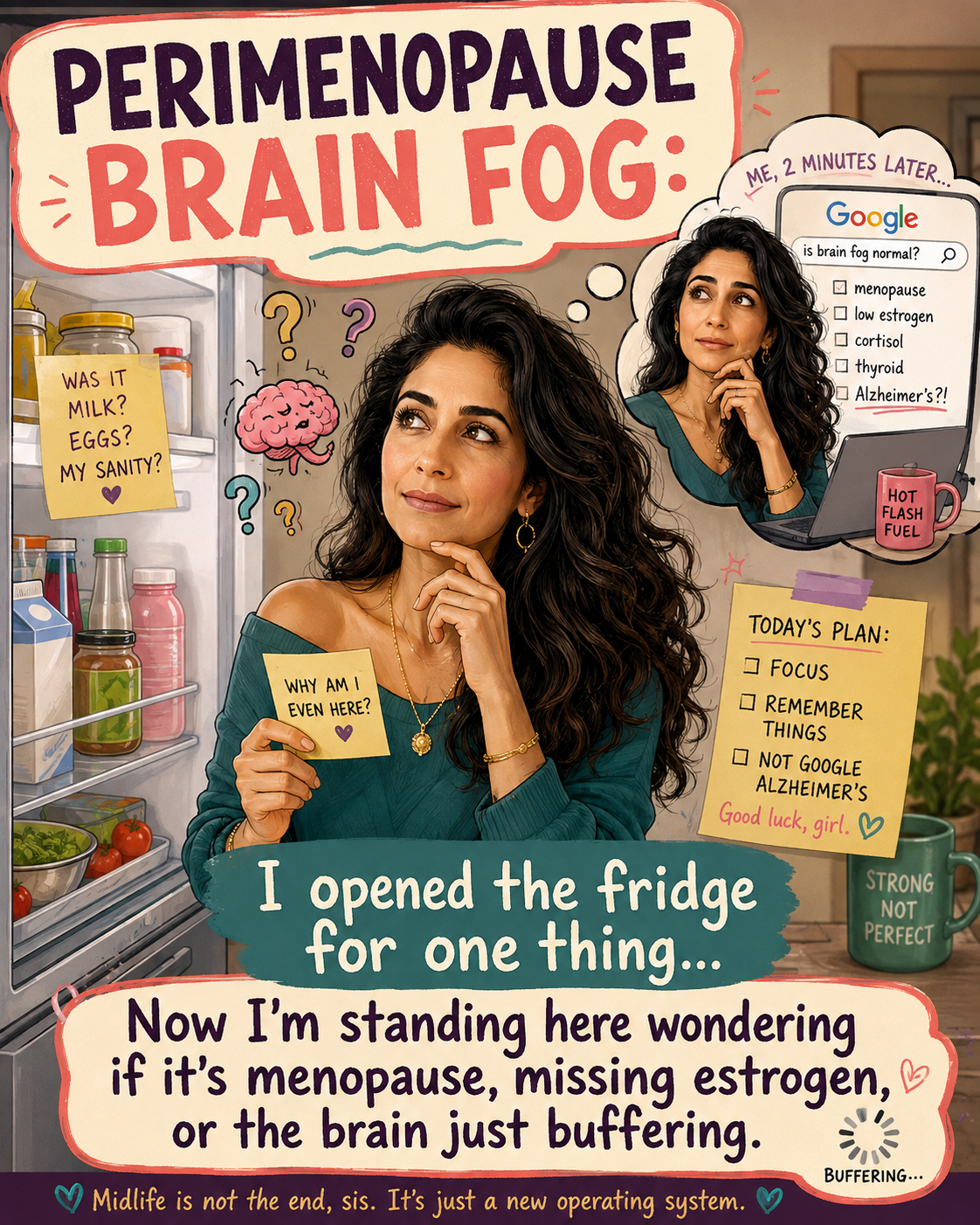
🧠 “I Forgot Why I Walked Into the Room… Is This Menopause or Something Worse?”
You are standing in the kitchen holding your phone.
You know you came in there for something.
You have absolutely no idea what.
Then somebody asks you a question while the kettle is boiling, an email notification pops up, and suddenly your brain appears to have submitted its resignation without giving two weeks’ notice. 😂
For many women in perimenopause and menopause, changes in memory, word retrieval, concentration and mental processing can be unnerving—particularly if Alzheimer’s disease runs in the family.
But before we send every forgotten password straight to the neurology department, we need some perspective.
Difficulty concentrating and mild memory complaints are common during the menopause transition, and The Menopause Society notes that these midlife cognitive changes are usually much subtler than those seen with dementia. Sleep disruption, mood changes and the menopause transition itself can all influence how sharp your brain feels. Obvious, progressive or function-changing cognitive symptoms, however, deserve medical evaluation.
So no, forgetting where you put your glasses when they are sitting on top of your head does not automatically mean Alzheimer’s.
But the relationship between estrogen, menopause and the ageing female brain is scientifically fascinating—and a new 2026 study has made the conversation even more interesting.
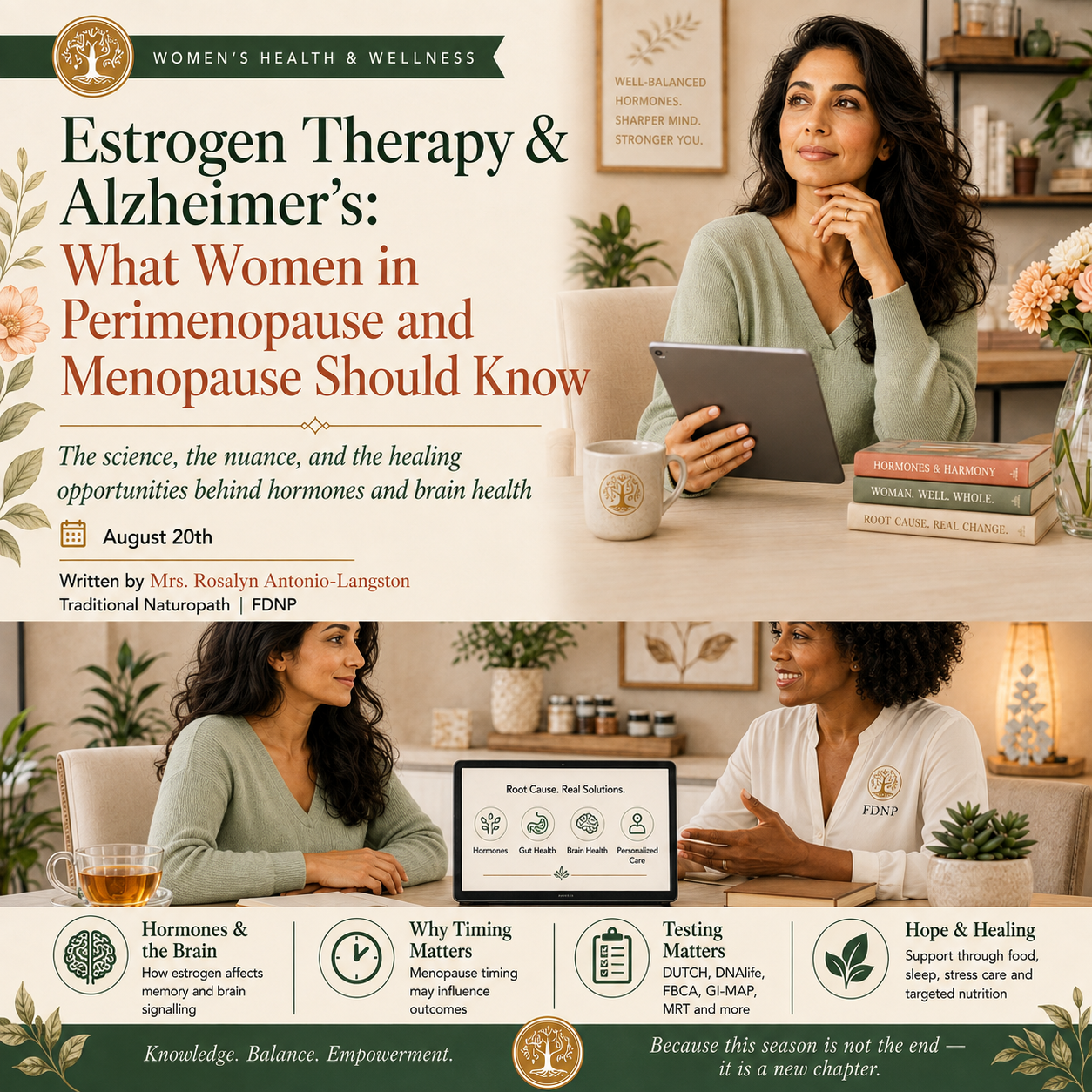
🌸 Estrogen Has a Life Outside the Reproductive System
We tend to talk about estrogen as though its résumé simply reads:
Periods. Fertility. Hot flashes. The end.
Not quite.
Estrogen receptors are found throughout the brain, including areas involved in memory, mood and cognition. Estrogen signalling influences neuronal communication, neurotransmitter systems and hippocampal function. Research also suggests the menopause transition can affect brain structure, connectivity, energy metabolism and amyloid-beta deposition.
One particularly important hormone during the reproductive years is estradiol—E2.
As ovarian function becomes more erratic during perimenopause and eventually declines after menopause, estradiol exposure changes dramatically.
That shift matters because estrogen interacts with several systems involved in brain health.
🧬 Estrogen & Your Neurons
Estrogen signalling can influence synaptic plasticity—the ability of neurons to form and remodel connections involved in learning and memory. Estrogen receptors, including ER-alpha and ER-beta, participate in brain signalling, and experimental work continues to investigate their effects within the hippocampus.
⚡ Estrogen & Brain Energy
Your brain is metabolically expensive real estate. It requires a steady energy supply, and research suggests the menopause transition is associated with changes in cerebral energy metabolism. That is one reason investigators are increasingly looking at menopause as a neurological as well as reproductive transition.
🔥 Estrogen, Oxidative Stress & Inflammation
Preclinical research suggests estrogen signalling may influence antioxidant defences, inflammatory pathways and neuronal resilience. It has also been investigated for possible interactions with amyloid-beta biology—the protein that accumulates within the characteristic plaques of Alzheimer’s disease. Human outcomes, however, are much more complicated than what happens in a petri dish or mouse model.
And that last sentence is important.
Because biologically plausible does not automatically mean clinically proven.
🔬 The 2026 Study Everyone Is Talking About
In August 2026, researchers from Stanford Medicine published a study in Neurology titled:
“Association Between Menopausal Hormone Therapy and Alzheimer Disease Neuropathology.”
And this study did something particularly interesting.
Instead of looking only at whether women reported memory problems, researchers also examined actual Alzheimer’s-associated pathology in autopsied brains, alongside clinical information and biomarker data.
Researchers evaluated information from two large datasets containing 21,462 female participants.
In the autopsy analysis, they compared women who had reported using estrogen-only menopausal hormone therapy with women who had not used menopausal hormone therapy.
The brain tissue was examined for classic Alzheimer’s-associated pathology, including amyloid-beta plaques, tau neurofibrillary tangles and neuritic plaques.
And this is where things became interesting.
After adjustment for factors including age, education, race, genetics and hypertension, estrogen-only therapy use was associated with approximately 35% lower odds of Alzheimer’s-related neuropathology at autopsy.
Estrogen-only users were also reported to have approximately 39% lower odds of receiving a clinical dementia diagnosis, along with better outcomes on some memory and functional measures. Blood and cerebrospinal-fluid biomarker findings were broadly consistent with less amyloid accumulation.
That is certainly worth paying attention to.
But—and here comes the part Instagram captions sometimes forget—
🚨 Association Is Not Causation
This study does not prove that estrogen prevents Alzheimer’s disease.
It was observational.
The women were not randomly assigned decades earlier to estrogen versus placebo specifically to determine whether estrogen prevented Alzheimer’s.
There may still be differences between women who did and did not use hormone therapy that statistical adjustment cannot completely remove.
The study population was also quite different from the average woman starting modern BHRT during perimenopause today. Participants tended to be older, the hormone-use patterns reflected earlier treatment eras, and the findings applied specifically to estrogen-only treatment rather than estrogen-plus-progestogen therapy. Topical estrogen use was not included in the definition used for the primary analysis.
Translation?
Very interesting science. Not a prescription pad.
⏰ Then Why Have Previous Studies Said Something Different?
Welcome to hormone research, where one study enters the room wearing heels and another walks in five minutes later carrying completely different data. 😏
One of the most influential earlier studies was the Women’s Health Initiative Memory Study—WHIMS.
In women aged 65 years and older, estrogen plus progestin increased the incidence of probable dementia compared with placebo. A separate WHIMS analysis of conjugated equine estrogen alone did not demonstrate dementia prevention and increased the combined endpoint of dementia or mild cognitive impairment.
However, WHIMS studied women who were considerably older than the age when hormone therapy is typically initiated today.
That generated what became known as the timing hypothesis or “window of opportunity” question:
Could starting estrogen closer to the menopause transition affect the brain differently from beginning treatment decades later?
The answer is still not settled.
The KEEPS research program examined menopausal hormone therapy begun in healthy women relatively soon after menopause. Long-term follow-up published in 2024 found neither long-term cognitive benefit nor cognitive harm from several years of early menopausal hormone therapy compared with placebo.
Then another large 2026 study involving more than 14,000 women from the Nurses’ Health Study found that a longer natural reproductive span was associated with somewhat better cognitive trajectories—but menopausal hormone therapy did not produce improved global cognition, even when therapy had been used within 10 years of menopause.
So where does that leave us?
Some observational studies suggest possible protection.
Randomised studies have not established hormone therapy as a dementia-prevention strategy.
And the new Stanford neuropathology study has now supplied another intriguing piece of the puzzle.
Science is not “changing its mind.”
Science is refining the question.
💊 So Should Women Take Estrogen to Prevent Alzheimer’s?
At this time?
That is not what the evidence supports.
Current guidance does not recommend menopausal hormone therapy specifically for preventing dementia or improving cognition in naturally menopausal women. NICE has similarly stated that hormone therapy should not be used for dementia prevention.
That does not mean estrogen therapy is inappropriate.
Hormone therapy remains an important and highly effective treatment option for appropriately selected women experiencing menopausal symptoms such as hot flashes, night sweats and related sleep disturbances. Risk-versus-benefit decisions need to be individualised.
And we cannot take findings from estrogen-only therapy and casually apply them to every woman using BHRT.
Women who still have a uterus generally require adequate progestogen alongside systemic estrogen to protect the endometrium from unopposed estrogen stimulation. Estrogen alone is usually reserved for women who have undergone hysterectomy.
This is precisely why hormone care needs nuance.
Right woman. Right indication. Right formulation. Right dose. Right route. Right timing. Ongoing reassessment.
Not “my friend uses this patch, so I ordered one online.”
Please ma’am. We are not seasoning soup. 😂
🧬 Your Alzheimer’s Risk Is Bigger Than One Hormone
Estrogen matters.
But estrogen is not standing alone in an empty room controlling your neurological destiny.
Alzheimer’s disease and other dementias develop through interactions between age, genetics, vascular health, metabolic health, inflammation, environment and lifestyle.
The 2024 Lancet Commission estimated that approximately 45% of dementia cases could potentially be prevented or delayed by addressing 14 modifiable risk factors across the lifespan. These include factors such as hypertension, high LDL cholesterol, diabetes, obesity, physical inactivity, smoking, excessive alcohol use, depression, hearing impairment, social isolation, untreated vision loss and traumatic brain injury.
This is exactly where I want women to become empowered.
Because when someone says:
“Alzheimer’s runs in my family, so there is nothing I can do.”
My practitioner brain immediately says:
Not so fast.
You cannot rewrite every gene you inherited.
But genes interact with physiology and environment.
There may still be many healing opportunities worth investigating.
🧪 Test, Don’t Guess—but Test the RIGHT Things
This is where functional testing can be extremely helpful when we understand what the tests can and cannot tell us.
DUTCH, GI-MAP, nutrigenomics and functional blood chemistry do not diagnose Alzheimer’s disease.
If you have progressive memory loss, significant cognitive changes or changes affecting everyday functioning, you need appropriate medical evaluation. Depending on your presentation, that may include neurological examination, cognitive testing, conventional blood work, medication review, brain imaging or validated Alzheimer’s biomarkers.
Functional testing serves a different purpose.
I am looking for patterns.
Where might Metabolic Chaos® be occurring?
Where are there modifiable contributors?
Where are the healing opportunities?
🌸 DUTCH Complete™ or DUTCH Plus®
DUTCH testing provides information about estrogen, progesterone, androgens, cortisol and their metabolites. DUTCH Complete also includes markers related to melatonin, oxidative stress and selected organic acids, while DUTCH Plus adds assessment of the cortisol awakening response.
For a woman navigating perimenopause, sleep disruption, stress, brain fog and possible BHRT discussions, that can provide valuable context around hormone metabolism and stress physiology.
But it is not an Alzheimer’s test, and a DUTCH result should never be used by itself to determine whether prescription estrogen is medically appropriate.
🧬 DNAlife® Hormones
DNA Hormones looks at genetic variants involved in sex-hormone production, metabolism and biotransformation. That may help us understand why two women can have very different responses to similar hormonal environments.
Your genetics may identify tendencies.
They are not destiny.
🧠 DNAlife® Mind
DNA Mind evaluates genetic variants across biological pathways associated with areas such as neurotransmitter signalling, inflammation, methylation, mood and cognitive function. It can be useful as part of a broader nutrigenomic picture—not as a diagnosis of dementia.
And if specific Alzheimer’s genetic testing such as APOE is being considered, that deserves careful discussion. APOE variants influence risk but do not determine with certainty whether someone will develop late-onset Alzheimer’s disease, and routine predictive genetic testing is not appropriate for everybody.
🩸 Functional Blood Chemistry Analysis—FBCA
Sometimes the “fancy” investigation needs to begin with very ordinary blood.
A comprehensive blood-chemistry review can help identify patterns involving glucose regulation, HbA1c, insulin where available, lipids, thyroid function, iron and ferritin, B12, folate, vitamin D, liver function and inflammatory markers where clinically appropriate.
Why?
Because fatigue, poor concentration and memory complaints can have many contributors.
A woman with severe sleep deprivation, iron deficiency, B12 deficiency, thyroid dysfunction or poorly controlled blood sugar deserves those issues investigated—not simply told, “Well, you’re 48. Welcome to menopause.”
No thank you.
🦠 GI-MAP®
The GI-MAP uses quantitative PCR technology to assess gastrointestinal microorganisms and includes markers related to intestinal digestion, inflammation and immune function depending on the panel ordered.
Again, your stool test is not diagnosing Alzheimer’s.
But if bloating, diarrhoea, constipation, poor digestion or suspected nutrient malabsorption are part of the larger picture, the gut may represent another useful healing opportunity.
🍓 MRT®
For selected clients with significant food-triggered symptom patterns, MRT may provide additional information about leukocyte responses to foods and food chemicals. The manufacturer itself notes that MRT is designed for sensitivity assessment and does not diagnose IgE-mediated food allergy or coeliac disease.
The goal is not to order every laboratory test known to humanity.
The goal is to ask:
What information would actually change what we do next?
That is personalised care.
🔬Fun Fact Science Bar+
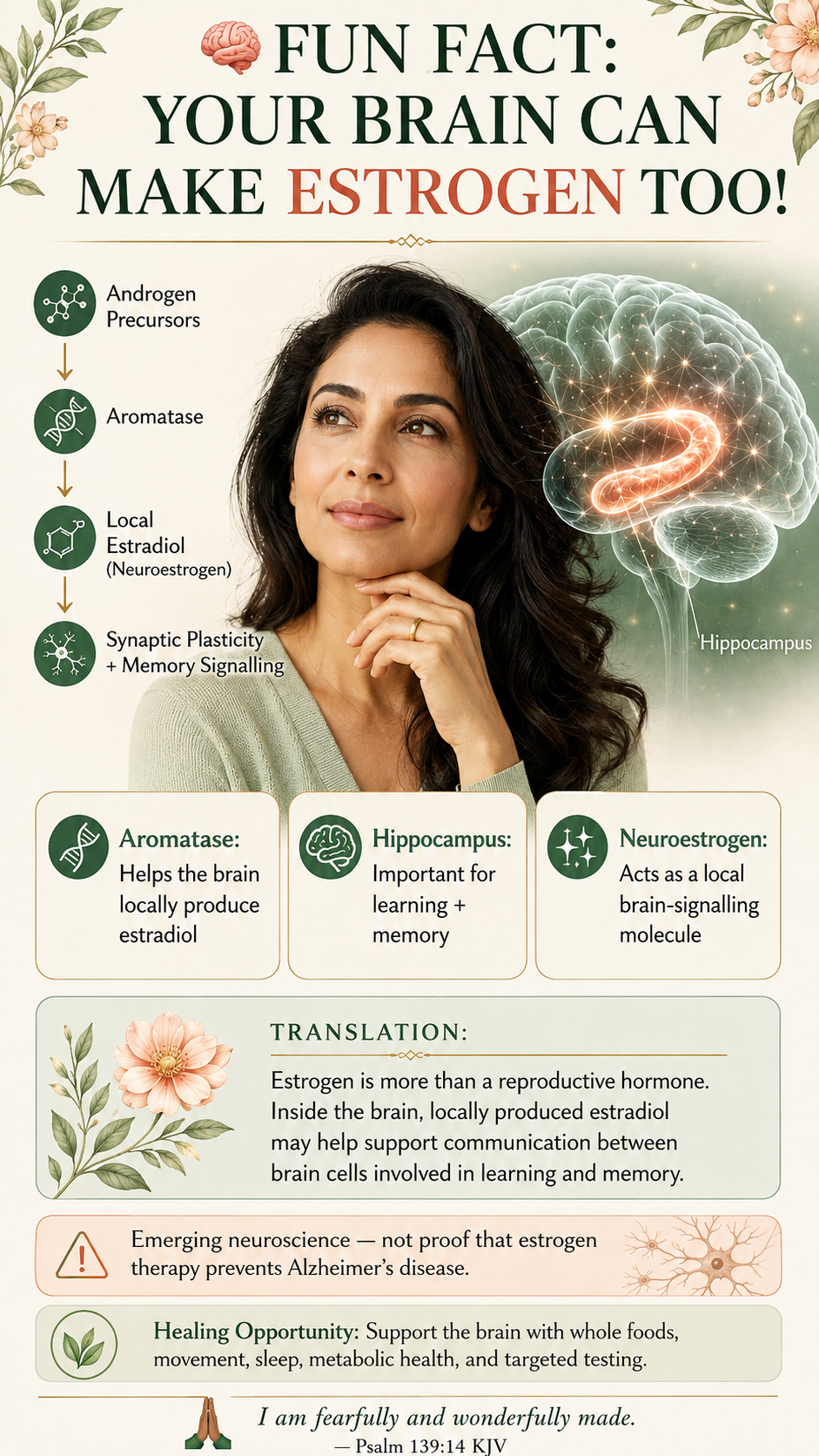
Did you know your ovaries are not the only place estrogen is made? Your brain can locally produce small amounts of estradiol—sometimes called neuroestrogen—using an enzyme called aromatase. This occurs in brain regions involved in learning, memory and neuronal communication, including the hippocampus. 🧠✨
👉🏾 Translation: Estrogen is more than a reproductive hormone. Inside the brain, locally produced estradiol appears to act like a neuromodulator, helping influence synaptic plasticity—the brain’s ability to strengthen and reorganise connections involved in memory. That does not mean the brain can simply compensate for declining ovarian estrogen after menopause, but it shows just how deeply estrogen biology is woven into brain function.
✨ Healing Opportunity: Instead of obsessing over one hormone, support the whole neurological terrain: regular movement, resistance training, restorative sleep, colourful whole plant foods, adequate protein, B12, omega-3s, healthy glucose regulation and appropriate testing when symptoms warrant it. Brain health is a whole-body conversation, not a one-hormone meeting.
✝️ Faith Element: The brain is wonderfully complex by design. Caring for it through nourishment, movement, rest, temperance and trust in God is not fear-based living—it is stewardship. “I will praise thee; for I am fearfully and wonderfully made.” — Psalm 139:14 KJV 🙏🏾🌿
🥬 Feed Your Brain Like You Plan to Keep It
If you are waiting for the mythical “Alzheimer’s superfood,” I hate to ruin the marketing campaign.
There isn’t one.
The strongest nutrition conversation is about patterns, not miracle berries.
Mediterranean- and MIND-style dietary patterns emphasising vegetables, leafy greens, berries, beans, whole grains, nuts and other minimally processed plant foods have repeatedly been studied in relation to cognitive health. The National Institute on Aging notes that diet research is promising but does not support claiming that any particular food can guarantee Alzheimer’s prevention.
For my whole-food, plant-forward ladies, think:
Dark leafy vegetables, cruciferous vegetables, berries, lentils, beans, chickpeas, minimally processed soy foods, walnuts, pumpkin seeds, chia, flax, whole grains, herbs, spices and colourful fruits and vegetables.
And please do not become so obsessed with “clean eating” that you forget adequacy.
Protein matters.
Vitamin B12 matters.
Iron matters when you are deficient.
Omega-3 intake matters.
Iodine, choline, zinc and overall energy intake matter.
And keeping blood pressure, glucose and LDL cholesterol in healthy ranges matters to your brain too.
Food is not merely calories.
It is biochemical information.
🏋🏾♀️ Your Muscles and Your Brain Are on Speaking Terms
If you want a brain-health strategy that has considerably more evidence behind it than the newest £89/ $121 bottle of “neuro-longevity capsules,” start moving your body.
Regular physical activity supports cardiovascular health, blood-pressure regulation, insulin sensitivity, mood, sleep and physical function—many of which overlap with established dementia-risk factors. Physical inactivity itself is included among the Lancet Commission’s modifiable dementia risks.
Build toward a combination of:
Aerobic movement + resistance training + balance + mobility.
Walking counts.
Cycling counts.
Dancing in your kitchen while cooking lentils counts.
And yes, ladies, pick up some weights if medically appropriate.
Midlife is not the season to lovingly donate all your muscle mass to menopause.
😴 Sleep Is Not an Optional Luxury Item
A woman can eat every blueberry in Waitrose and still feel cognitively scrambled if she is sleeping five broken hours per night.
Sleep disruption is extraordinarily common around menopause, especially when hot flashes, night sweats, anxiety or mood changes are involved. Sleep difficulties themselves can affect how well we concentrate and remember things the following day.
Chronically inadequate or poor-quality sleep has also been associated with poorer cognitive health later in life, although association does not mean every bad sleeper will develop dementia.
Work toward consistent sleep and wake times, morning light exposure, a dark and cool bedroom, regular physical activity and addressing whatever is repeatedly waking you.
And if you snore loudly, wake gasping, remain exhausted despite adequate time in bed or your partner reports pauses in your breathing?
That deserves medical evaluation for sleep-disordered breathing.
Sometimes your “hormone brain fog” is asking for a sleep study.
💊 Supplements: Supporting Cast, Not the Main Character
Supplements can absolutely have a place.
But this is where test, don’t guess earns its keep.
For a whole-food plant-based woman, B12 supplementation is non-negotiable territory because reliable dietary B12 is limited. Vitamin D may need supplementation when levels or circumstances warrant it. Algae-derived EPA/DHA can be considered when marine omega-3 intake is absent. Iron should generally be supplemented because deficiency or increased need has actually been established—not because somebody on TikTok said women are tired because we all need iron.
Magnesium may be useful for specific nutritional needs or symptoms, but it is not an Alzheimer’s-prevention treatment.
And antioxidant supplements deserve restraint. Higher-dose isolated antioxidants have not consistently demonstrated dementia prevention, which is another reason I favour obtaining a broad spectrum of phytonutrients from actual food whenever possible.
In other words:
Do not build a 17-bottle supplement tower because you forgot the word “colander” last Tuesday.
Investigate first.
Supplement second.
❤️ Your Cardiovascular Health Is Brain Health
This section does not get nearly enough glamour.
The same circulatory system supplying your heart supplies your brain.
Hypertension, diabetes, high LDL cholesterol, obesity, smoking and physical inactivity are among the major modifiable dementia-risk factors identified by the 2024 Lancet Commission.
So when we work on:
better glucose regulation,
healthy blood pressure,
better metabolic flexibility,
movement,
restorative sleep,
nutrient sufficiency,
muscle preservation,
and reducing chronic smoking or excessive alcohol exposure,
we are not working on isolated little boxes.
We are improving the terrain in which the brain has to age.
That is why I use the phrase Metabolic Chaos®.
Hormones, gut function, sleep, stress physiology, blood sugar, nutritional status and vascular health do not politely stay in their individual lanes.
They talk to each other.
Sometimes loudly.
🙏🏾 The Forgotten Medicine of Rhythm, Rest & Temperance
There is something within the Seventh-day Adventist health message that remains beautifully relevant here: the body works best when we respect its design.
Wholesome food.
Movement.
Fresh air.
Sunlight.
Temperance.
Rest.
Trust in God.
None of those things make us biologically invincible.
Faith is not permission to ignore medicine, and broccoli is not a neurologist.
But stewardship matters.
And I particularly love the principle of rest.
The Sabbath is not a 24-hour pharmaceutical for cortisol.
It is, however, a weekly reminder that we were never designed to produce, perform, worry and hustle seven days a week.
There is tremendous wisdom in having rhythms where the body rests, the mind becomes quiet, relationships reconnect and attention returns to the Creator rather than the endless demands of life.
As Ecclesiastes reminds us:
“To every thing there is a season, and a time to every purpose under the heaven.” — Ecclesiastes 3:1 KJV
Perimenopause and menopause are seasons too.
Different?
Absolutely.
Over?
Absolutely not.
🚩 When “Brain Fog” Needs More Than a Hormone Conversation
Menopause-related cognitive changes are generally subtle. Progressive changes that interfere with normal functioning should not simply be dismissed as hormones.
Please seek medical assessment if memory or thinking problems are becoming progressively worse, affecting work or finances, causing you to become lost in familiar places, interfering with medication management or normal daily activities, or are being repeatedly noticed by people close to you.
And sudden confusion, new speech difficulty, weakness, facial drooping or other abrupt neurological changes require urgent medical evaluation.
There is nothing empowering about ignoring red flags in the name of “root cause.”
Good root-cause care knows when to investigate, when to collaborate and when to refer.
🌺 This Is a New Chapter—Not the End of Your Story
I know the menopause conversation can become frightening very quickly.
Bone loss.
Heart disease.
Weight changes.
Hair loss.
Brain fog.
Dementia.
Apparently women turn 45 and the internet immediately begins writing our obituary.
Enough. 😂
Midlife is not the beginning of your irrelevance.
It can be the beginning of becoming much more intentional about your health.
Yes, estrogen influences the brain.
Yes, the new research linking estrogen-only hormone therapy with lower Alzheimer’s neuropathology is genuinely intriguing.
But estrogen is only one piece of a much larger neurological, metabolic and hormonal puzzle.
And the most empowering message from the science is not:
“Take estrogen and you won’t get Alzheimer’s.”
We cannot responsibly say that.
The better message is:
Your midlife brain deserves attention now.
Your sleep matters.
Your blood sugar matters.
Your blood pressure matters.
Your muscle matters.
Your nutrient status matters.
Your gut symptoms matter.
Your hormones matter.
Your stress load matters.
Your genetics can provide information—but they do not get the final word.
There are often healing opportunities hiding inside the patterns.
And we can investigate them.
🌿 Ready to Stop Guessing?
At Leaves from the Tree of Life LLC, we help Businesswomen who are Hormonal, Anxious, and Bloated through Functional Nutrition Coaching + Labs.
If perimenopause or menopause has left you dealing with brain fog, exhaustion, poor sleep, digestive chaos, blood-sugar swings, stubborn symptoms or the feeling that your body suddenly changed the operating system without asking permission, we can help you start putting the pieces together.
Using personalised functional nutrition coaching and appropriate testing—including options such as DUTCH™, DNAlife® Hormones, DNAlife® Mind, Functional Blood Chemistry Analysis, GI-MAP®, MRT® and other targeted assessments when appropriate—we look beyond one symptom at a time to identify patterns of Metabolic Chaos® and possible healing opportunities.
We do not diagnose or treat Alzheimer’s disease, and we do not prescribe BHRT. Hormone prescribing, dementia assessment and medical diagnosis belong with appropriately licensed medical professionals. Our role is to help you understand your physiology, strengthen the foundations that are within your control and collaborate with your healthcare team when appropriate.
Because this chapter does not have to be called:
“Everything started falling apart after 40.”
I prefer:
“This is the season I finally learned what my body had been trying to tell me.” 🌿✨
👉🏾 CLICK HERE to jump on a Discovery Call.
Invest in your health, invest in you, because a healthier lifestyle is a luxury you deserve!
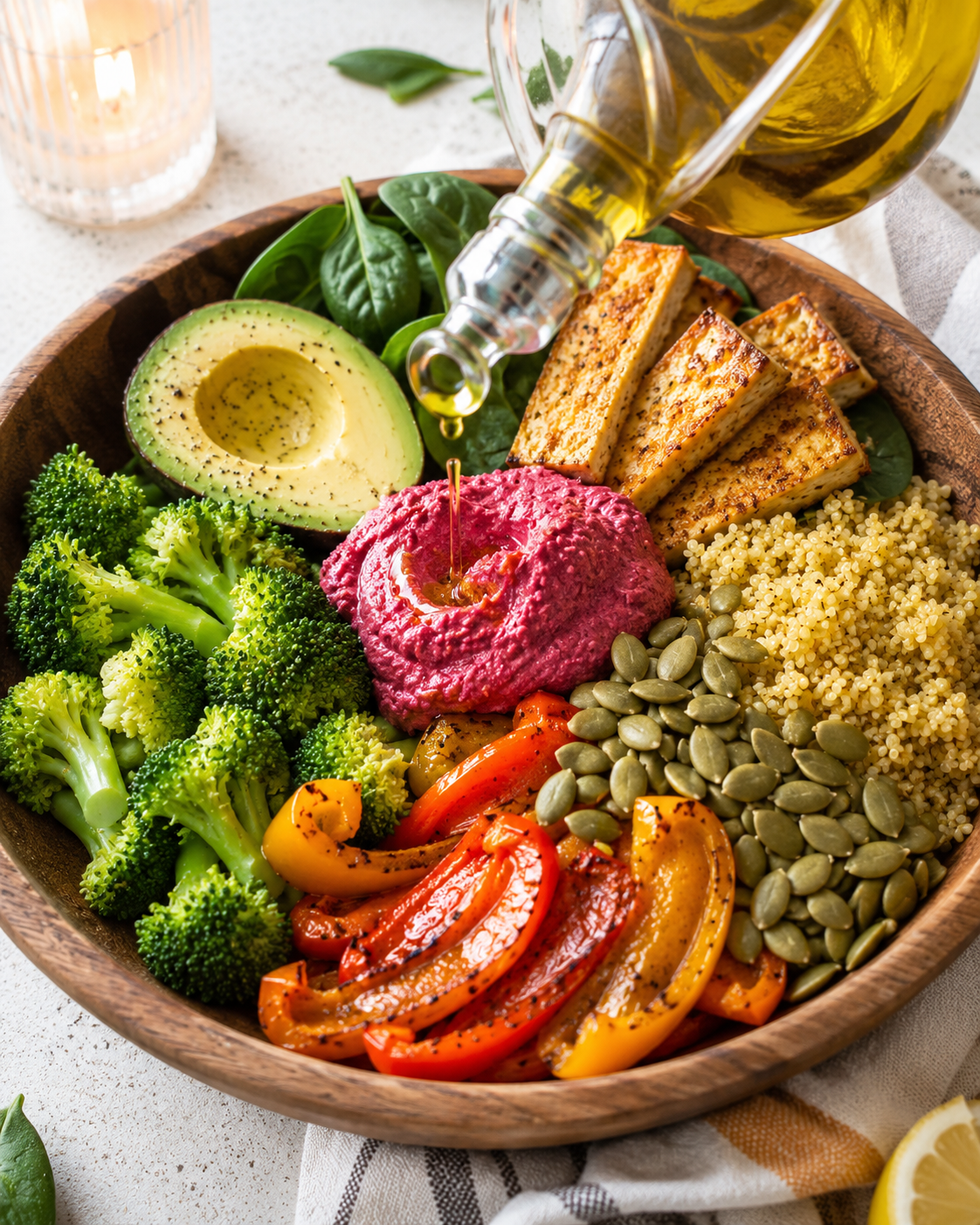
🥑Golden Glow Hormone Harmony Bowl
With Ginger-Lemon Tofu, Soft Broccoli, Roasted Peppers & Blush Beet Cream
A vibrant, midlife-friendly bowl with protein, healthy fats, fiber, phytonutrients, and gentle carbs — without being too heavy, gassy, or bloating. In other words: hormone support, but make it pretty. 😌
⏱ Time: 30 minutes
🍽 Serves: 2
🛒 Organic Ingredients
1 block extra-firm tofu, sliced into rectangles
1 cup cooked quinoa
1½ cups broccoli florets
1 red or orange bell pepper, sliced
2 handfuls baby spinach
1 avocado, halved or sliced
2 tbsp pumpkin seeds
1 small cooked beet
3 tbsp plain unsweetened coconut or almond yogurt
1 tsp grated fresh ginger
1 tbsp lemon juice
1–2 tbsp olive oil
Pinch cayenne pepper
Pink Himalayan salt or sea salt, to taste
👩🏾🍳 How to Make It
1. Roast the peppers + tofu
Place the sliced peppers and tofu on a lined tray. Drizzle lightly with olive oil, lemon juice, ginger, cayenne, and a little salt. Bake at 200°C / 400°F for 20–25 minutes, flipping the tofu once.
2. Steam the broccoli
Steam broccoli for 4–5 minutes until just tender. This makes it easier on digestion than eating it raw.
3. Make the blush beet cream
Blend the cooked beet with yogurt, a small squeeze of lemon, and a pinch of salt until smooth and creamy.
4. Build the bowl
Add quinoa to the base of each bowl. Arrange spinach, steamed broccoli, roasted peppers, tofu, avocado, and pumpkin seeds beautifully around the bowl. Add a dollop of blush beet cream.
5. Finish it off
Drizzle with a little extra olive oil + lemon juice right before serving. Done. Gorgeous. Delicious. Functional. 💁🏽♀️
🌸 Why These Ingredients Work
Tofu 🌱: Provides plant protein and soy isoflavones that may help support women in peri/menopause.
Quinoa ✨: A gentle, gluten-free carbohydrate with protein and magnesium.
Broccoli 🥦: Supports estrogen metabolism and gives fiber, folate, and vitamin C.
Bell peppers 🫑: Rich in antioxidants and vitamin C for immune and collagen support.
Spinach 🌿: Provides folate, magnesium, and iron support.
Avocado 🥑: Gives healthy fats that support hormones, satiety, and brain health.
Pumpkin seeds 🎃: Rich in zinc, magnesium, and healthy fats.
Beet 💗: Provides plant compounds and natural sweetness while making the bowl look stunning.
Ginger 🫚: Supports digestion and may help reduce queasiness and heaviness.
Olive oil + lemon 🍋: A simple fresh dressing that adds flavor without overwhelming the stomach.
📚 Science & References
Bruno J, Shaw JS, Hosseini SMH. Association Between Menopausal Hormone Therapy and Alzheimer Disease Neuropathology. Neurology. Published online August 12, 2026. DOI: 10.1212/WNL.0000000000218413.
Stanford Medicine. Study ties estrogen-based menopausal hormone therapy to lower Alzheimer’s risk. August 12, 2026.
Shumaker SA, et al. Estrogen plus progestin and the incidence of dementia and mild cognitive impairment in postmenopausal women: The Women’s Health Initiative Memory Study. JAMA. 2003.
Shumaker SA, et al. Conjugated equine estrogens and incidence of probable dementia and mild cognitive impairment in postmenopausal women. JAMA. 2004.
Gleason CE, et al. Long-term cognitive effects of menopausal hormone therapy: Findings from the KEEPS Continuation Study. PLOS Medicine. 2024.
The Menopause Society. Memory, cognition and mental health during the menopause transition.
The Menopause Society. Longer reproductive span linked with slower rates of cognitive decline. April 2026.
NICE. Menopause guidance and hormone-therapy recommendations. Current guidance states hormone therapy should not be used specifically for prevention of dementia.
Livingston G, et al. Dementia prevention, intervention, and care: 2024 report of the Lancet standing Commission. The Lancet. 2024.
National Institute on Aging. Cognitive health, nutrition, physical activity, sleep and modifiable Alzheimer’s-disease risk factors.
Blog Disclaimer
The health information on this blog is for general educational purposes only and is not intended to diagnose, treat, cure, or prevent any disease. It should not be used as a substitute for professional medical advice. Always consult a qualified healthcare provider before making any health-related decisions
This blog may contain affiliate links, meaning Leaves from the Tree of Life LLC may earn a small commission if you purchase a product or service through these links—at no additional cost to you. Your support helps us continue to provide valuable content. Thank you!
