
What Is Histamine? Signs, Causes & Foods to Avoid if You’re Dealing with Histamine Intolerance
What Is Histamine? Signs, Causes & Foods to Avoid if You’re Dealing with Histamine Intolerance
What Even Is Histamine?
If you’ve ever taken an antihistamine during allergy season, you’ve already met histamine. But there’s more to this chemical than springtime sniffles. Histamine is a naturally occurring compound that helps regulate digestion, brain function, immune responses—and even plays a role in your hormonal health.
But when histamine builds up faster than your body can break it down, that helpful little molecule turns into a source of inflammation, irritation, and chaos. Especially for women juggling gut health, anxiety, and hormone shifts.
Let’s break it down: what histamine is, what happens when there’s too much, and how to support balance naturally—without giving up your favorite whole food plant-based lifestyle.
What Does Histamine Do in the Body?
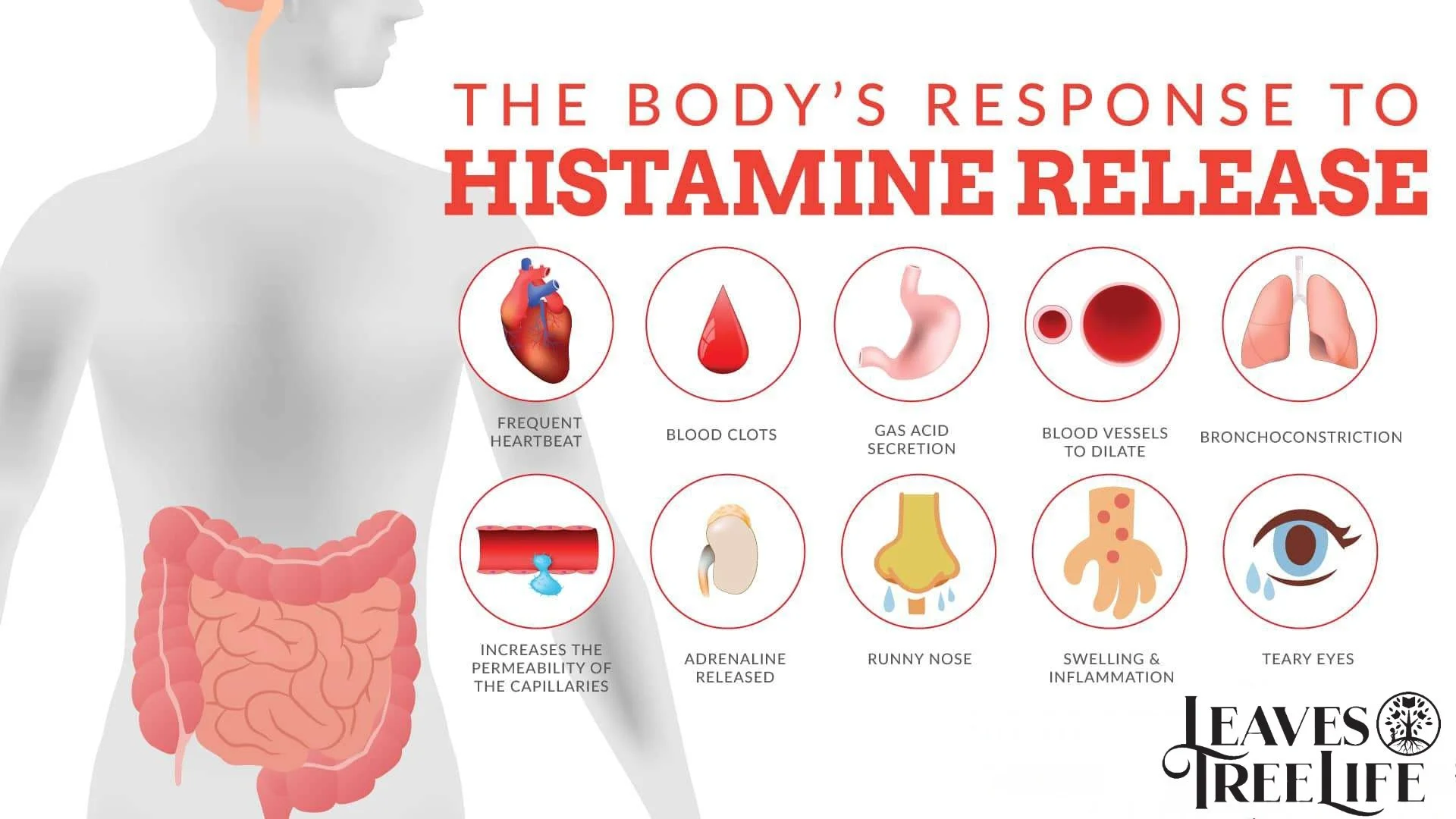
Histamine is a multi-tasking molecule involved in:
🌿 Brain function (as a neurotransmitter)
🌿 Digestive support (stimulates stomach acid)
🌿 Immune defense (triggers inflammation during infection or allergy)
But it’s also like a faucet—if it’s left running too long, everything floods. That “flood” of histamine can show up as symptoms that feel random… but they’re not.
Signs & Symptoms of Too Much Histamine
Too much histamine is like a party crasher—uninvited, overstimulating, and relentless.
🫴🏾 Headaches or migraines
🫴🏾 Flushing, hives, or skin rashes
🫴🏾 Anxiety, restlessness, or insomnia
🫴🏾 Itchy eyes, ears, or throat
🫴🏾 Asthma or wheezing
🫴🏾 Bloating, acid reflux, or diarrhea
🫴🏾 Irregular or heavy menstrual cycles
🫴🏾 Rapid heartbeat or blood pressure shifts
What Causes Histamine Overload?
✔️ Gut dysfunction: Leaky gut, dysbiosis, and infections reduce your DAO enzyme—responsible for breaking down histamine.
✔️ Hormonal imbalances: Estrogen dominance or adrenal burnout can mess with histamine pathways.
✔️ Nutrient depletion: Your body needs vitamin C, B6, copper, and zinc to process histamine efficiently.
✔️ Stress: Chronic stress throws your nervous system into overdrive—and histamine goes along for the ride.
✔️ Histamine-rich foods: Aged, fermented, processed, or improperly stored foods increase histamine levels.
Fun Fact:
Did you know histamine isn’t just in your body—it’s in your gut bacteria too? Certain strains of bacteria naturally produce histamine during digestion. That means your microbiome can literally make or break your histamine tolerance! It’s why gut health plays such a huge role in whether you feel energized or inflamed after a meal.
High Histamine & Trigger Foods
| Category | Examples |
|---|---|
| Aged/Fermented | Sauerkraut, soy sauce, miso, tempeh, kombucha |
| Canned/Stored Too Long | Leftovers (after 24–48 hrs), canned legumes |
| Trigger Fruits & Veg | Tomatoes, avocados, spinach, eggplant, strawberries |
| Beverages | Alcohol, energy drinks, matcha (in excess) |
Tip: The fresher the better! Cook and eat within 24 hours to minimize histamine exposure.
What to Eat on a Low-Histamine, Plant-Based Diet
🌿 Cooked cruciferous vegetables (broccoli, cauliflower, cabbage)
🌿 Fresh leafy greens (but avoid spinach if sensitive)
🌿 Gluten-free grains: quinoa, millet, amaranth
🌿 Fresh herbs: basil, parsley, cilantro
🌿 Low-histamine fruits: apples, pears, wild blueberries, mango
🌿 Root veggies: sweet potato, beets, carrots
🫴🏾 Avoid leftovers older than 24–48 hours
🫴🏾 Store food immediately after cooking (not on the counter!)
🫴🏾 Go for homemade instead of fermented or processed
🌿 Tips for Supporting Histamine Breakdown Naturally (WFPB-Friendly & Root-Cause Focused)
Before we jump into supportive tools, let’s briefly talk about antihistamines—those over-the-counter meds most people turn to when histamine symptoms flare.
🧪 What Are Antihistamines?
Antihistamines are drugs that block histamine receptors, helping reduce allergy symptoms like sneezing, itching, and congestion. While they may offer quick relief, they don’t address why your histamine is out of balance—and long-term use may lead to side effects like fatigue, brain fog, and gut disruption.
✖️ Why I Don’t Recommend Antihistamines Long-Term:
They suppress symptoms but don't correct the root cause
They can impair natural immune function and gut health
They may interfere with detox and neurotransmitter balance
✨ Instead of suppressing histamine, I focus on supporting the body's ability to metabolize it properly—especially through the enzyme DAO (diamine oxidase) and healthy mast cell regulation. This is a more sustainable, whole-person approach that honors how your body was designed to heal.
✔️ Support DAO enzyme & gut healing
🫴🏾 Supplement suggestions:
Quicksilver Scientific Liposomal Vitamin C (non-GMO, vegan)
Pure Encapsulations P5P (activated B6) (vegan capsules)
Biocidin Botanicals Biotonic™ or GI Detox+ (herbal, dairy-free, no animal products)
✔️ Calm mast cells
🌿 Herbal allies:
Quercetin (vegan source from Allergy Research Group or Pure Encapsulations)
Organic stinging nettle leaf tea
Holy basil (Tulsi) tincture or capsules – calming & cortisol-friendly
✔️ Rebuild gut lining
🌿 Supportive options:
Gut Lining Repair by Enviromedica (marshmallow root, slippery elm, okra extract)
Homemade mineral-rich veggie broth (with seaweed, ginger, turmeric, and herbs)
✔️ Stress less, rest more
🫴🏾 Sabbath rest & biblical stillness
🫴🏾 Breathwork & grounding in creation
🫴🏾 Nature walks, slow stretching, or creative expression
🫴🏾 Intentional pauses for prayer and reflection
Histamine Isn’t the Villain—But It Needs Boundaries
Histamine serves a purpose—but like any good thing, it can go rogue without balance. With today’s stress, food supply, and environmental load, it’s no wonder many women are walking around inflamed, anxious, and confused.
But there's hope. Through food, faith, and functional insight, you can calm the chaos, nourish your temple, and rebuild your health from the root.
Need help navigating histamine symptoms and Metabolic Chaos®?
Let’s work together. Book a session today to receive personalized, root-cause guidance that helps bring balance back to your body, restore clarity to your symptoms, and support true healing from the inside out.
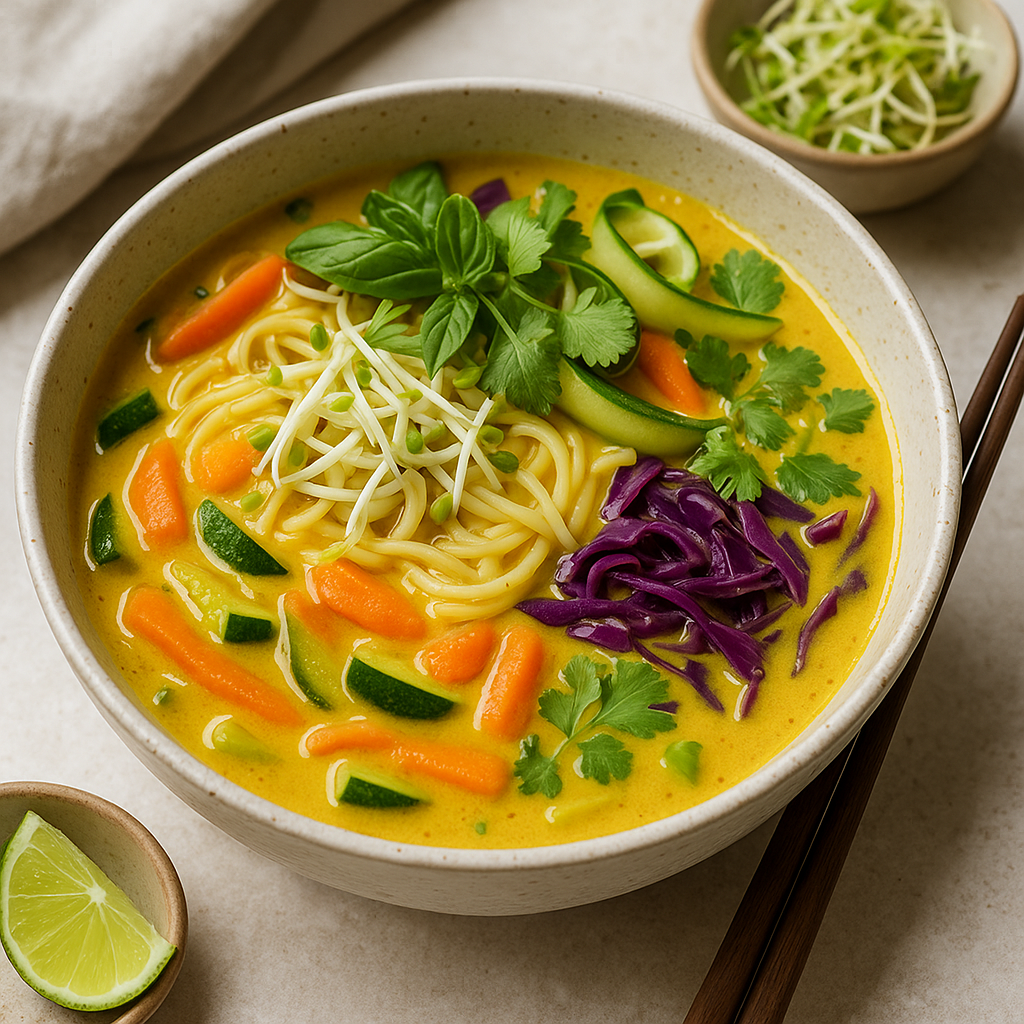
🥥🌿 Creamy Thai Coconut Noodle Bowl
(Low-Histamine | Plant-Based | Gluten-Free)
Get ready for a bowl full of comfort, flavor, and nourishment—without the histamine havoc!
This Thai-inspired dish is creamy, cozy, and completely plant-based. It’s made with gut-friendly, low-histamine ingredients that will leave you feeling calm, not congested.
📝 Ingredients (Serves 2–3)
🥥 1 tbsp cold-pressed coconut oil
🧅 1 small red onion, finely sliced
🧄 2 cloves garlic, minced
🌱 1-inch fresh ginger, grated
🥕 1 cup chopped carrots
🥒 1½ cups chopped zucchini
🟣 1 cup shredded purple cabbage
🥫 1 can (13.5 oz) full-fat BPA-free coconut milk
🧂 1 cup homemade or low-histamine veggie broth
🍋 1 tbsp fresh lime juice
🥄 1 tbsp coconut aminos
✨ 1 tsp turmeric powder
🧂 1 tsp sea salt (or to taste)
🌿 1 tbsp chopped fresh basil
🌿 Optional: chopped cilantro for garnish
🍁 1 tsp maple syrup (optional, to balance flavor)
🍜 6 oz gluten-free rice or millet noodles
🌱 Optional toppings: mung bean sprouts, cucumber ribbons
👩🏾🍳 Step-by-Step Instructions
🔥 Sauté the Aromatics
Heat coconut oil in a large pot over medium heat. Add onion, garlic, and ginger. Sauté for 2–3 mins until fragrant.🥕 Add the Veggies
Toss in carrots, zucchini, and cabbage. Cook 5 mins until slightly tender.🥥 Make It Creamy
Pour in coconut milk & broth. Add turmeric, salt, and coconut aminos. Let it simmer gently (don’t boil) for 10 mins.🍋 Add the Zing
Stir in lime juice, maple syrup (if using), and basil. Taste and adjust seasonings.🍜 Cook the Noodles
Boil your noodles per instructions, then rinse with cool water and drain well.🥣 Assemble Your Bowl
Divide noodles into bowls. Ladle the golden broth & veggies on top. Garnish with sprouts, cucumbers, and herbs.🍽️ Serve & Savor
Enjoy while fresh and warm. It’s a hug in a bowl!
🌟 Ingredient Benefits
🥥 Coconut Milk – Healthy fats that soothe inflammation & fuel your brain.
🧄 Garlic & Ginger – Natural histamine regulators & immune boosters.
✨ Turmeric – Anti-inflammatory powerhouse that calms mast cells.
🥒 Zucchini & Carrots – Gentle on the gut, loaded with beta-carotene & fiber.
🟣 Purple Cabbage – Rich in antioxidants that help detox and balance hormones.
🌿 Basil & Cilantro – Support liver detox & histamine metabolism.
🍜 Gluten-Free Noodles – Easy to digest and allergy-friendly.
📣 Pro Tip:
This dish is best enjoyed fresh—leftovers can increase histamine levels. Cook what you’ll eat within 24 hours.
📚 Scientific and Educational Resources
1. Histamine Intolerance Overview
Provides a comprehensive look at histamine intolerance, including symptoms, causes, and management strategies.
🔗 Wikipedia - Histamine Intolerance
2. Diamine Oxidase (DAO) and Histamine Breakdown
Details the role of DAO in metabolizing histamine and its significance in histamine intolerance.
3. Histamine N-Methyltransferase (HNMT) Function
Explains the function of HNMT in histamine metabolism, particularly in the central nervous system.
🔗 Wikipedia - Histamine N-Methyltransferase
4. High Histamine Foods List
Identifies common foods high in histamine that may trigger symptoms in sensitive individuals.
🔗 Verywell Health - High Histamine Foods
5. Gut Bacteria and Histamine Production
Discusses how certain gut microbiota can produce histamine, influencing histamine levels in the body.
🔗 Science.org - Histamine Production by Gut Microbiota
🧪 Supplement Recommendations
Nanoemulsified Hista-Aid® by Quicksilver Scientific
A plant-derived blend that supports healthy histamine processing and mast cell stability. It includes vitamin C, quercetin, luteolin, and diindolylmethane (DIM) for full-spectrum support.
🔗 Nanoemulsified Hista-Aid® – Quicksilver Scientific
Quicksilver Scientific Liposomal Vitamin C
Provides antioxidant support and may help degrade histamine.
🔗 Quicksilver Scientific - Liposomal Vitamin C
Pure Encapsulations P5P (Pyridoxal 5’-Phosphate)
Activated vitamin B6 that supports enzymatic breakdown of histamine and aids neurotransmitter balance.
Biocidin Botanicals - GI Detox
Aids in detoxification processes, potentially reducing histamine load.
🔗 Biocidin Botanicals - GI Detox
📰 Recent Articles and Case Studies
An article highlighting a personal experience with histamine intolerance and its challenges.
🔗 The Sun - Histamine Intolerance Case
Differentiating Food Allergies from Histamine Intolerance
Explores how histamine intolerance can mimic food allergy symptoms.
🔗 SELF - Food Allergy or Histamine Intolerance
Blog Disclaimer
The health information on this blog is for general educational purposes only and is not intended to diagnose, treat, cure, or prevent any disease. It should not be used as a substitute for professional medical advice. Always consult a qualified healthcare provider before making any health-related decisions.
This blog may contain affiliate links, meaning Leaves from the Tree of Life LLC may earn a small commission if you purchase a product or service through these links—at no additional cost to you. Your support helps us continue to provide valuable content. Thank you!
