
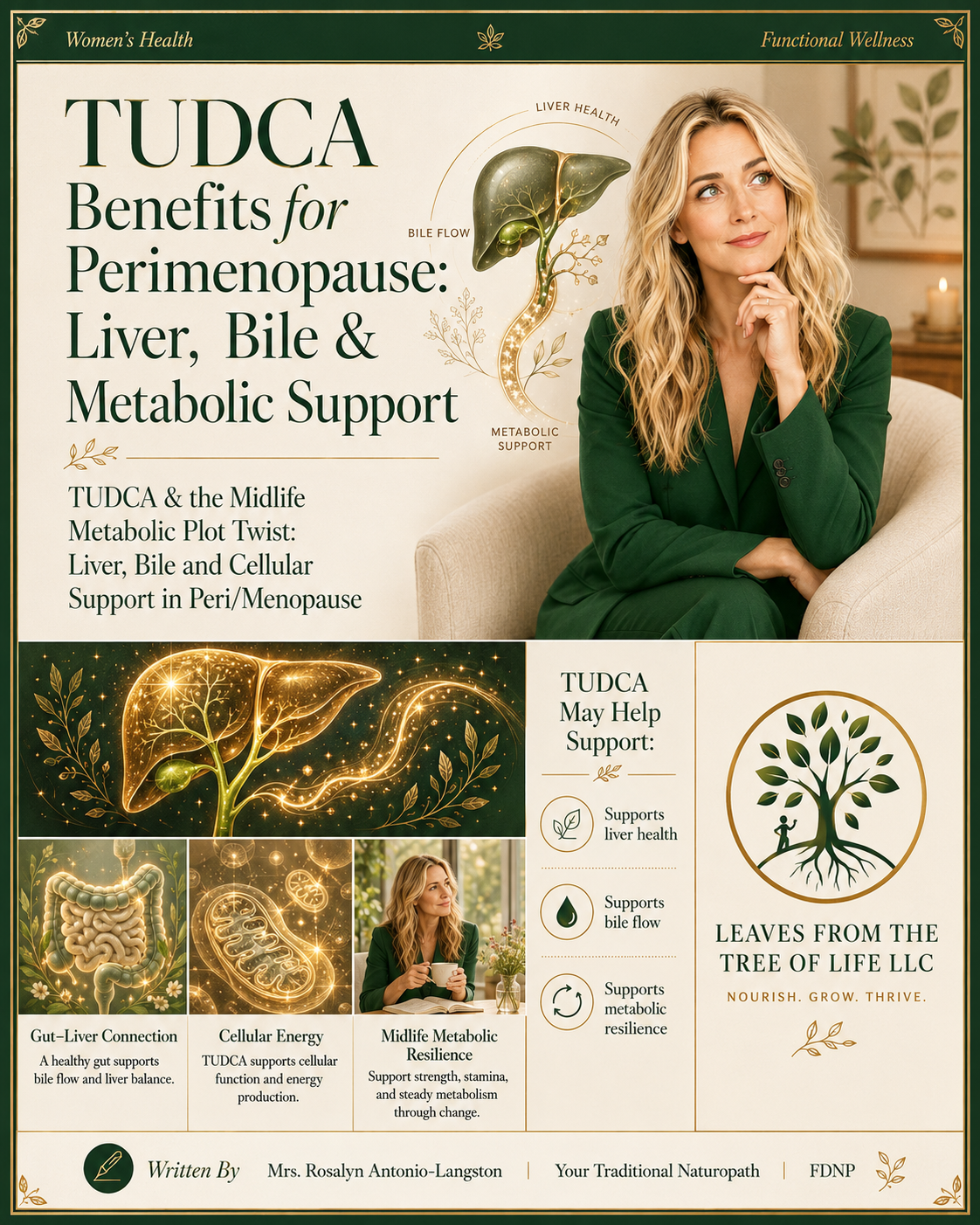
TUDCA Benefits for Perimenopause: Liver, Bile & Metabolic Support
TUDCA & the Midlife Metabolic Plot Twist: Liver, Bile and Cellular Support in Peri/Menopause
🌸 When Your Body Starts Changing the Rules
Perimenopause can feel as though your body has launched a major systems update without sending you the instructions.
Your digestion changes. Your usual meals suddenly leave you bloated. Sleep becomes unpredictable. Your waistline develops its own strategy, and blood sugar, cholesterol or liver markers that previously behaved themselves start wandering in the wrong direction.
Meanwhile, you may still hear:
“Everything looks normal.”
Wonderful. Except you do not feel normal.
The menopause transition affects far more than menstrual cycles. It changes body composition, insulin sensitivity, fat distribution, vascular function and cardiometabolic health. Longitudinal research from the Study of Women’s Health Across the Nation found that metabolic-syndrome risk rises as women progress through menopause, while body-composition research shows accelerated fat gain and loss of lean tissue around the final menstrual period.
This is one reason I do not view peri/menopause as an isolated hormone problem.
It is often a whole-body conversation involving hormones, the liver, bile, the gut microbiome, glucose regulation, mitochondria, stress physiology and inflammation. When several of these systems begin struggling together, we can find ourselves dealing with Metabolic Chaos®.
One compound that deserves attention in this conversation is tauroursodeoxycholic acid, better known as TUDCA.
TUDCA supports liver health, bile quality, cellular protection, glucose metabolism, mitochondrial stability and vascular function. It is not oestrogen, progesterone or hormone replacement. Instead, it strengthens several of the systems that carry a heavier metabolic workload during midlife.
And no, it is not magic in a capsule.
But it is far more interesting than the average supplement sitting quietly at the back of the cupboard.
🧪 TUDCA 101: What Exactly Is It?
TUDCA stands for tauroursodeoxycholic acid. It is a hydrophilic—or water-friendly—bile acid formed when ursodeoxycholic acid is conjugated with the amino acid taurine.
TUDCA is not the same as ox bile.
Ox bile supplies a mixture of bile components that primarily assists with fat digestion. TUDCA is a specific bile acid with direct effects on liver cells, bile-acid composition, cellular stress responses, mitochondria and metabolic signalling.
Research comparing TUDCA with ursodeoxycholic acid found that TUDCA was efficiently absorbed and underwent less conversion into more hydrophobic bile-acid metabolites. This supports its role in creating a gentler, more hydrophilic bile-acid environment.
Bile acids also do more than break down fats.
They act as signalling molecules that communicate with the liver, intestines, microbiome and metabolic receptors. In other words, bile is not simply digestive washing-up liquid. It is part of an intelligent communication network.
Where to Buy Professional-Grade Supplements
🇺🇸 United States: Click here
🇬🇧 United Kingdom: Click here Code: KXCTGG
🔬 The Science: What TUDCA Does Inside the Body
🫀 1. TUDCA Supports Liver Health and Regeneration
The liver processes nutrients, regulates glucose and fat metabolism, manufactures bile, transforms hormones and prepares metabolic waste for elimination.
TUDCA supports this work by protecting hepatocytes—the primary cells of the liver—from bile-acid toxicity, cellular stress and inappropriate cell death.
Human trials in people with primary biliary cholangitis show that TUDCA improves biochemical liver markers. In a multicentre, randomised, double-blind study, TUDCA produced improvements in alkaline phosphatase, bilirubin and other liver-related measurements and performed comparably with ursodeoxycholic acid during the trial.
Research also demonstrates a direct regenerative effect.
In a 2025 laboratory and rat study, TUDCA stimulated liver-cell proliferation, improved liver regeneration following partial hepatectomy and activated the GATA3 pathway involved in the regenerative response.
That means the statement “TUDCA supports liver health and regeneration” is grounded in biological research.
The liver-regeneration evidence currently comes primarily from cells and animal models, while the improvement in liver biochemistry comes from human clinical research. Those are different evidence categories, but both show real physiological activity.
🌿 2. TUDCA Helps Reduce Liver Fibrosis and Scarring
Fibrosis develops when persistent injury stimulates excessive scar-tissue formation inside the liver.
This process can follow chronic inflammation, metabolic fatty-liver disease, alcohol exposure, viral disease, medication injury, autoimmune disease or impaired bile flow.
TUDCA directly influences pathways involved in inflammation, hepatocyte injury and fibrotic tissue development.
In the 2025 study examining liver regeneration, TUDCA reduced collagen deposition, improved liver structure and decreased markers of fibrosis in rats exposed to carbon tetrachloride. It also supported liver recovery within a fibrotic environment.
TUDCA therefore demonstrates antifibrotic action in experimental models.
This does not turn a supplement into a stand-alone treatment for diagnosed human cirrhosis or fibrosis. It does mean that TUDCA works on mechanisms directly involved in liver injury, regeneration and scar formation.
For a woman with abnormal liver enzymes, known fatty liver, jaundice, persistent itching, pale stools or right-sided abdominal pain, proper medical investigation remains essential.
We do not place a supplement over an unexplained abnormal result like a decorative cushion and hope nobody notices.
We investigate.
🌊 3. TUDCA Supports Bile Flow, Bile Quality and Bile-Acid Signalling
Not all bile acids behave in the same way.
Hydrophobic bile acids can become irritating to cell membranes when they accumulate in excessive amounts. TUDCA is hydrophilic, so it helps shift the bile-acid environment toward a less damaging composition.
TUDCA supports bile physiology by:
Improving the hydrophilic quality of the bile-acid pool
Protecting liver cells from more cytotoxic bile acids
Supporting bile transport
Supporting bile flow in cholestatic conditions
Influencing metabolic and cellular signalling
Supporting communication between the liver, gut and microbiome
Clinical research in primary biliary cholangitis confirms that TUDCA changes bile-acid handling while improving liver-related biochemical markers.
This matters in midlife because bile supports:
Digestion and absorption of dietary fats
Absorption of vitamins A, D, E and K
Cholesterol metabolism
Elimination of bilirubin and metabolic waste
Intestinal motility
Microbial balance
Hormone-metabolite elimination through the stool
Healthy bile flow forms part of healthy hormone clearance.
The liver transforms hormones, and the digestive tract must then move those metabolites out. If bowel movements are irregular and intestinal microbial activity encourages hormone metabolites to be deconjugated, some metabolites can re-enter circulation.
That is why liver support without gut and bowel support is an incomplete conversation.
🏭 4. TUDCA Reduces Endoplasmic-Reticulum Stress
This is one of TUDCA’s most important biological actions.
Inside every cell sits a structure called the endoplasmic reticulum, or ER. It helps manufacture, fold and quality-check proteins.
Think of it as the cell’s production department.
Proteins must be folded into the correct shape before they can perform their jobs. When inflammation, high glucose, oxidative stress, nutrient excess or other pressures interfere with this process, unfolded and misfolded proteins begin accumulating.
The cell responds by activating the unfolded protein response.
A brief response protects the cell.
Persistent ER stress disrupts insulin signalling, increases inflammation, damages mitochondria and pushes the cell toward apoptosis.
TUDCA acts as a chemical chaperone. It improves protein folding and calms excessive ER-stress signalling.
In steatotic liver-transplant models, TUDCA reduced ER-stress markers, inflammatory signalling, liver injury and activation of cell-death pathways.
In normal language:
TUDCA helps the cell organise its protein-folding department before everybody starts screaming, throwing paperwork and calling an emergency meeting.
That matters during peri/menopause because glucose instability, visceral-fat accumulation, sleep disruption, oxidative stress and inflammation all place additional pressure on cellular function.
TUDCA helps cells handle that pressure more efficiently.
🛡️ 5. TUDCA Helps Protect Cells From Oxidative Stress and Apoptosis
Oxidative stress develops when reactive molecules exceed the body’s antioxidant capacity.
Apoptosis is controlled cellular death. It is necessary when damaged or abnormal cells need to be removed, but excessive or inappropriate apoptosis contributes to tissue injury.
TUDCA helps protect cells by:
Reducing ER-stress signalling
Supporting intracellular calcium balance
Stabilising mitochondrial membranes
Reducing inflammatory activation
Limiting cytochrome-c release from mitochondria
Reducing activation of caspases involved in apoptosis
Protecting cells from oxidative and metabolic injury
In liver models involving partial hepatectomy and ischaemia-reperfusion injury, TUDCA reduced inflammation, oxidative damage, apoptosis and necrosis. It also protected mitochondria and improved liver regeneration.
This cellular protection explains why TUDCA appears across liver, metabolic, retinal and neurological research.
TUDCA does not make cells immortal—and we would not want it to.
It helps stressed but viable cells regain stability and function.
🧫 6. TUDCA Improves Liver Enzyme Patterns
ALT and AST rise when liver cells become irritated or injured. GGT, alkaline phosphatase and bilirubin provide additional information about liver and biliary function.
Human trials show that TUDCA improves liver-biochemistry patterns in specific cholestatic conditions.
A dose-response study in primary biliary disease documented improvements in liver markers, while a later multicentre randomised study confirmed biochemical improvements with TUDCA therapy.
This is why TUDCA earns its reputation as a serious liver-support compound rather than a generic “detox” ingredient.
However, liver enzymes do not tell the entire story.
A woman can have fatty-liver changes with liver enzymes still sitting inside the laboratory range. She can also have raised AST from muscle injury, elevated GGT from medication or alcohol exposure, or abnormal alkaline phosphatase from non-liver sources.
Numbers require context.
That is where a full history, blood chemistry review and appropriate imaging become important.
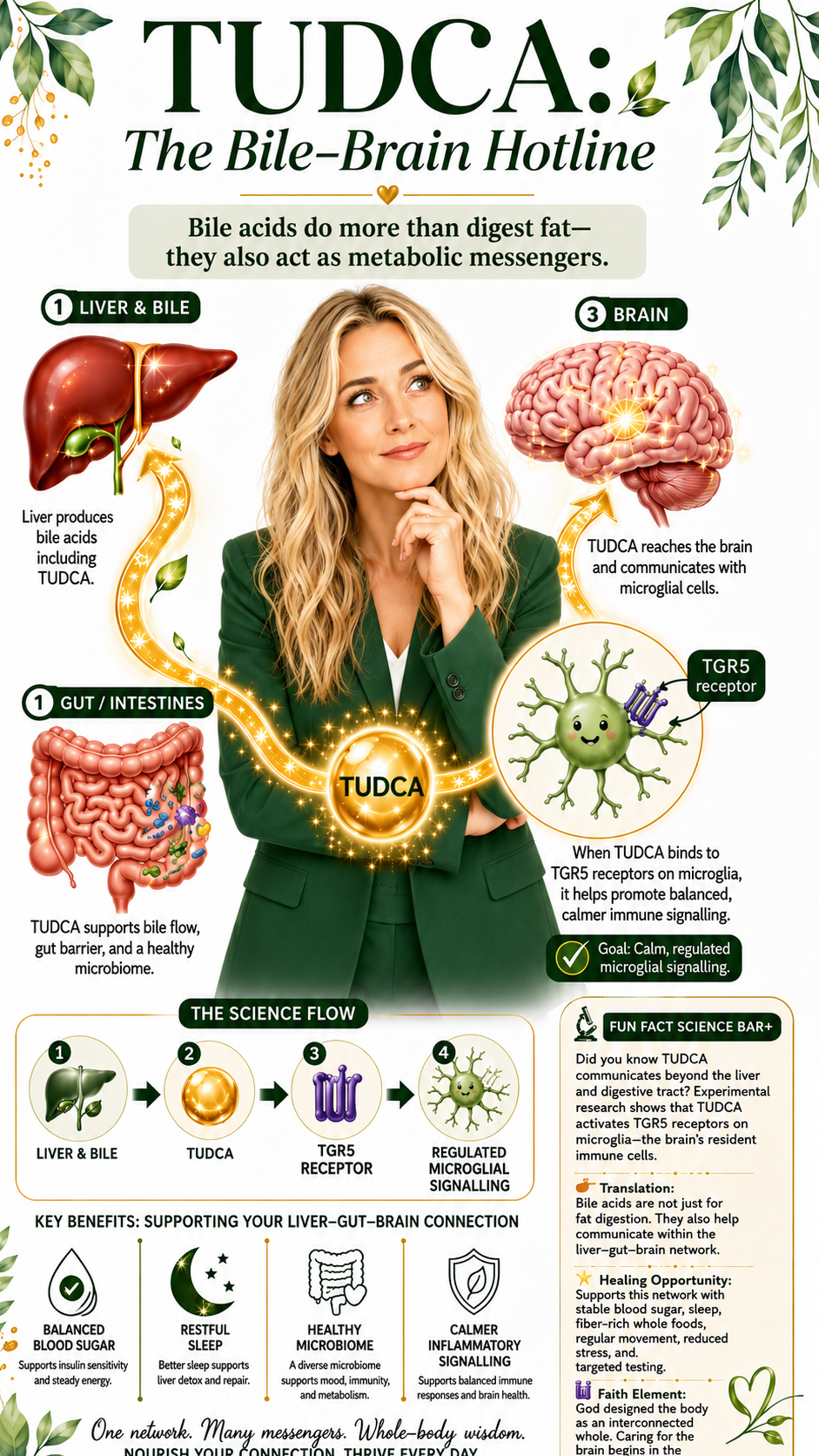
🔬 Fun Fact Science Bar+: The Bile–Brain Hotline
Did you know TUDCA communicates beyond the liver and digestive tract? Experimental research shows that TUDCA activates TGR5 receptors on microglia—the brain’s resident immune cells. This raises cellular cAMP and shifts microglial activity away from excessive pro-inflammatory signalling and toward a calmer, more regulated state.
👉🏾 Translation: Bile acids are not simply digestive soap for fatty meals. They also behave like metabolic messengers within the liver–gut–brain network. When brain fog, fatigue, blood-sugar swings and hormonal symptoms arrive together, the liver and gut deserve a place in the investigation too.
✨ Healing Opportunity: Support the whole network with restorative sleep, fibre-rich whole foods, stable blood sugar, regular bowel movements, movement and targeted testing. TUDCA can be a useful tool when it matches the woman’s laboratory findings and wider Metabolic Chaos®—not merely because brain fog rudely entered the group chat.
✝️ Faith Element: God designed the body as an interconnected whole. Caring for the brain, gut and liver together is wise stewardship—because no organ was created to work as a solo act. 🙏🏾🌿
🍬 7. TUDCA Supports Insulin Sensitivity and Glucose Metabolism
Insulin resistance becomes increasingly important during the menopause transition.
Research shows that metabolic-syndrome risk rises across menopause, while visceral fat and changes in body composition further influence glucose regulation.
TUDCA directly supports insulin signalling.
In a small controlled human study involving insulin-resistant adults with obesity, four weeks of TUDCA increased insulin sensitivity in the liver and skeletal muscle by approximately 30%.
That is not a vague laboratory theory.
That is a measurable human metabolic response.
TUDCA reduces ER stress, which removes one of the cellular pressures that interferes with insulin-receptor signalling. It also supports liver glucose handling and skeletal-muscle response to insulin.
This makes TUDCA especially relevant when a midlife woman is dealing with:
Rising fasting glucose
Elevated fasting insulin
Increasing HbA1c
Post-meal fatigue
Intense carbohydrate cravings
Growing waist circumference
Elevated triglycerides
Fatty-liver changes
Energy crashes between meals
TUDCA supports the metabolic terrain.
It does not replace resistance training, restorative sleep, fibre-rich whole foods, appropriate protein intake, stress regulation or medical treatment when required.
No capsule can do your squats for you. Rude—but true.
🍃 8. TUDCA Helps Reduce Fatty-Liver Accumulation
Fat accumulation inside the liver is closely connected with insulin resistance, excess energy storage, inflammation, altered lipid metabolism and changes in the gut–liver axis.
Experimental research shows that TUDCA reduces hepatic fat accumulation.
In animal models of fatty-liver disease, TUDCA reduced obesity and liver lipid accumulation while strengthening intestinal-barrier function and improving microbial balance.
Another study found that TUDCA reduced ER stress and slowed the progression of diet-induced steatohepatitis.
This directly supports the statement that TUDCA helps reduce fatty-liver accumulation in experimental models.
Human menopause-specific fatty-liver trials have not yet been completed. That does not erase the mechanism; it tells us exactly where the current evidence sits.
TUDCA works on several drivers of fatty-liver physiology:
ER stress
Insulin resistance
Hepatic inflammation
Cellular injury
Gut-barrier dysfunction
Bile-acid imbalance
For a peri/menopausal woman with fatty liver, TUDCA belongs inside a comprehensive metabolic strategy—not beside a takeaway menu and three hours of sleep.
⚡ 9. TUDCA Supports Mitochondrial Function and Energy Metabolism
Mitochondria transform nutrients into usable cellular energy.
They also regulate oxidative stress, calcium balance and apoptosis. When mitochondria become unstable, cells struggle to generate energy and control inflammatory and death signals.
TUDCA protects mitochondrial structure and function.
In liver-injury models, TUDCA reduced cytochrome-c release, lowered caspase activation, protected mitochondrial membranes and limited mitochondrial damage.
This means TUDCA supports energy metabolism at the cellular level.
It does not mean every tired woman needs TUDCA.
Midlife fatigue can also come from:
Iron deficiency caused by heavy bleeding
Thyroid dysfunction
Low vitamin B12 or folate
Sleep apnoea
Chronic sleep disruption
Glucose instability
Medication effects
Depression or anxiety
Cardiovascular problems
Inadequate calorie or protein intake
Sometimes the mitochondria need support.
Sometimes ferritin is sitting in the basement.
Sometimes progesterone has packed its bags early.
Sometimes a sleep study is overdue.
Testing clarifies which healing opportunities are actually present.
❤️ 10. TUDCA Improves Vascular and Endothelial Function
The endothelium is the thin layer of cells lining the blood vessels. It helps regulate blood flow, vascular relaxation, inflammation and clotting behaviour.
In a controlled human study, a single oral dose of TUDCA prevented the temporary decline in endothelial function caused by an oral glucose load.
The glucose challenge impaired vascular function in the control condition.
TUDCA protected it.
This matters because cardiovascular risk becomes increasingly important through the menopause transition. Changes in lipids, blood pressure, insulin sensitivity, fat distribution and vascular function can begin developing before a woman reaches postmenopause.
TUDCA supports vascular resilience, but cardiovascular health still requires attention to:
Blood pressure
Fasting glucose and insulin
HbA1c
Triglycerides
HDL and LDL
ApoB when appropriate
Smoking status
Movement and fitness
Sleep
Family history
Hormonal and metabolic health
TUDCA is a valuable tool.
It is not an invisibility cloak for cardiovascular risk.
🌺 Why TUDCA Matters During Peri/Menopause
TUDCA does not directly replace declining oestrogen or progesterone.
It does not restore ovarian follicles.
It does not function as menopausal hormone therapy.
What it does is support the liver, bile-acid system, glucose regulation, cellular stress response, mitochondria and vascular endothelium—systems that strongly influence how a woman experiences midlife.
TUDCA fits especially well into the conversation when her clinical pattern includes:
Insulin resistance
Increasing abdominal fat
Elevated triglycerides
Fatty-liver changes
Abnormal liver markers
Poor tolerance of higher-fat meals
Bile-flow concerns
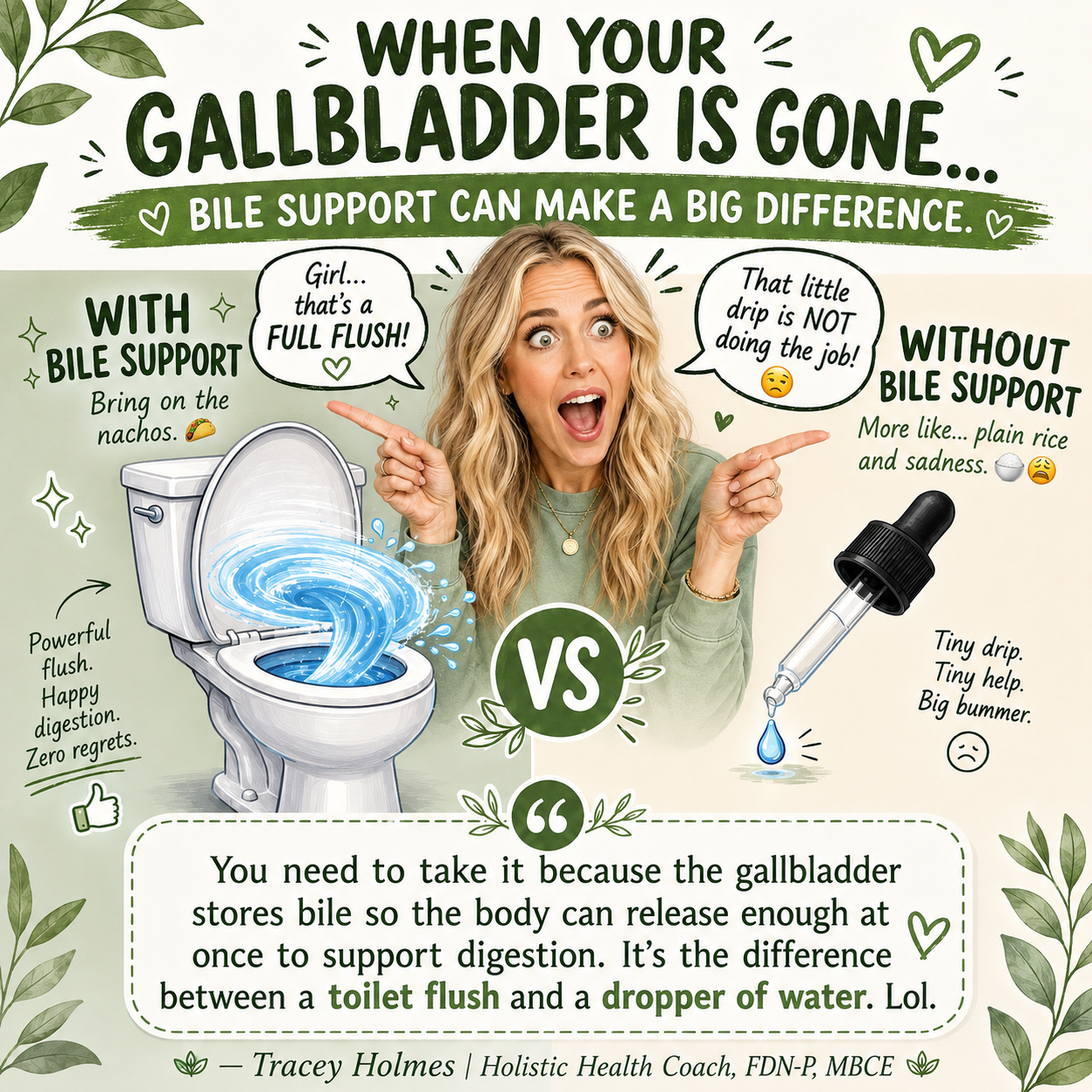
Previous gallbladder removal
Medication-related liver burden
Metabolic inflammation
Significant post-meal fatigue
Digestive symptoms alongside hormonal symptoms
From my perspective as a Traditional Naturopath and Functional Diagnostic Nutrition Practitioner, TUDCA is not a trendy menopause pill.
It is a targeted liver, bile and cellular-support tool.
The question is not simply:
“Is TUDCA good?”
The better question is:
“Does this woman’s history, symptom pattern and laboratory data show that TUDCA matches her current healing opportunities?”
That is the difference between supplement shopping and personalised functional care.
🔍 Test, Don’t Guess: Because Symptoms Share Outfits
Two women can both report bloating, anxiety, exhaustion and weight gain while experiencing completely different physiological patterns.
One has insulin resistance.
One has iron deficiency from heavy perimenopausal bleeding.
One has altered cortisol rhythms and poor sleep.
One has H. pylori, intestinal inflammation and sluggish bowel function.
One has thyroid dysfunction.
One has developing fatty liver.
One has low progesterone exposure alongside erratic oestrogen.
Same complaints.
Different Metabolic Chaos®.
That is why testing matters.
🧫 DUTCH Complete or DUTCH Plus
DUTCH Complete evaluates sex hormones, cortisol and their metabolites. It reports oestrogen, progesterone, testosterone, DHEA-S, cortisol patterns, hormone metabolites, melatonin and selected organic-acid markers.
DUTCH Plus adds the Cortisol Awakening Response, providing another layer of information about the early-morning stress response.
This testing helps assess:
Oestrogen production and metabolism
Progesterone exposure
Androgen patterns
Daily cortisol and cortisone rhythm
Total metabolised cortisol
DHEA
Melatonin
Selected oxidative-stress and nutrient markers
DUTCH data can show whether hormone metabolism, cortisol physiology and oxidative stress are contributing to the wider pattern.
It does not tell us everything about the liver or metabolism, which is why it belongs beside blood chemistry rather than replacing it.
🧬 DNAlife DNA Hormones
DNAlife DNA Hormones evaluates genetic variants involved in sex-hormone production, transport and biotransformation.
The current panel assesses variants connected with steroidogenesis, hormone binding and transport, phase I and phase II pathways and clotting-related considerations.
This helps reveal inherited tendencies involving:
Oestrogen metabolism
Methylation
Glucuronidation
Sulfation
Oxidative-stress handling
Hormone transport
Hormone-related clotting pathways
Genes show the blueprint.
They do not show today’s hormone levels.
That is why combining nutrigenomics with current hormone and blood data creates a more useful picture.
Your genes load the possibilities.
Your environment, nutrition, hormones, sleep, stress and lifestyle influence how those possibilities are expressed.
🩸 Functional Blood Chemistry Analysis
A Functional Blood Chemistry Analysis, or FBCA, reviews patterns, relationships and trends across conventional bloodwork.
For liver, metabolic and peri/menopausal health, useful markers include:
Full blood count
Ferritin and full iron studies
Fasting glucose
Fasting insulin
HbA1c
ALT
AST
GGT
Alkaline phosphatase
Bilirubin
Albumin
Total protein
Triglycerides
HDL and LDL
ApoB when available
Thyroid markers
Vitamin B12
Folate
Vitamin D
Inflammatory markers
FBCA can reveal that a woman’s presumed “hormone problem” also includes anaemia, insulin resistance, thyroid dysfunction, liver stress or nutrient insufficiency.
Standard laboratory ranges remain essential for medical diagnosis.
Functional analysis adds pattern recognition and context.
We need both.
🦠 GI-MAP With StoolOMX When Appropriate
GI-MAP uses quantitative PCR technology to detect and quantify selected bacteria, parasites, fungi, viruses and H. pylori. It also includes markers related to digestion, immune function and intestinal inflammation.
Depending on the selected panel, this can include:
H. pylori and virulence factors
Bacterial and parasitic pathogens
Opportunistic organisms
Commensal bacteria
Pancreatic elastase
Steatocrit
Calprotectin
Secretory IgA
Beta-glucuronidase
Occult blood
The StoolOMX add-on measures 25 bile acids and nine short-chain and branched-chain fatty acids. This provides direct information about bile-acid patterns, microbial fermentation, bile-acid diarrhoea, malabsorption and dysbiosis.
This is especially useful when a woman reports:
Bloating
Fat intolerance
Loose stools
Constipation
Greasy stools
Urgency after meals
Gallbladder removal
Reflux
Hormonal symptoms alongside gut symptoms
Not every digestive complaint means low bile.
Some women have excessive bile acids reaching the colon.
Giving more bile support to a woman with bile-acid diarrhoea is not personalised care.
Her bathroom has already submitted a formal grievance.
🍽️ MRT Food-Sensitivity Testing
MRT evaluates volumetric changes in circulating white blood cells after exposure to selected foods and food chemicals. The laboratory describes it as a measurement of diet-induced mediator-release responses.
MRT helps structure a personalised eating plan by identifying higher-reactive and lower-reactive foods.
It works best when combined with:
A detailed symptom history
Adequate nutrition
A structured elimination phase
Systematic food reintroduction
Gut assessment
Monitoring of clinical response
The purpose is to build a nourishing, varied diet—not reduce a woman’s menu to lettuce, three blueberries and emotional damage.
MRT does not replace testing for IgE-mediated food allergy or coeliac disease.
Different immune reactions require different tools.
🧪 Other Testing That Strengthens the Picture
Depending on the woman’s pattern, further testing can include:
Metabolomix+ for organic acids, nutrient and metabolic patterns
Thyroid testing with antibodies
Iron studies for heavy menstrual bleeding
Liver ultrasound or other medical imaging
Conventional lipid and cardiovascular risk assessment
Vitamin D, B12 and folate
Coeliac screening
Pancreatic or biliary investigations
Medical evaluation for persistent or worsening symptoms
Testing should answer a clinical question.
We do not order every test merely because it has a pretty report.
Each test needs a purpose.
🌞 Foundations Still Run the House
TUDCA supports important physiology, but the foundations still matter:
Whole plant foods rich in fibre
Adequate protein
Cruciferous and bitter vegetables when tolerated
Healthy dietary fats
Regular bowel movements
Resistance training
Walking and post-meal movement
Hydration
Morning light
Fresh air
Restorative sleep
Appropriate hormone care
Stress regulation
Temperance
There is deep wisdom in the simple principles of health: nutrition, exercise, water, sunlight, fresh air, rest, temperance and trust in God.
The body is not an enemy that suddenly decides to betray us at 40.
It is a beautifully designed, adaptive system responding to changing hormones, accumulated stress, nutritional needs and a new metabolic environment.
Caring for it is stewardship.
We do not punish the body for changing.
We listen.
We investigate.
We support.
And we allow God’s design, sound science and practical wisdom to work together rather than treating them as enemies.
Where to Buy Professional-Grade Supplements
🇺🇸 United States: Click here
🇬🇧 United Kingdom: Click here Code: KXCTGG
🌷 Midlife Is Not the End—It Is a New Assignment
Perimenopause can expose weaknesses that quietly developed for years.
That can feel unfair, confusing and exhausting—especially when you are leading meetings, managing responsibilities, caring for others and trying to remember why you walked into the kitchen.
But this season is not your biological expiry notice.
It is a new chapter.
It creates the opportunity to understand your hormones, liver, gut, glucose, stress response and nutritional needs more deeply than ever before.
These symptoms are not proof that your body has failed.
They are information.
They reveal healing opportunities.
At Leaves from the Tree of Life LLC, we help Businesswomen who are Hormonal, Anxious, and Bloated through Functional Nutrition Coaching + Labs.
Through personalised testing, functional nutrition coaching and practical lifestyle strategies, we help uncover the patterns beneath your symptoms.
No one-size-fits-all protocols.
No supplement confetti.
No pretending that every symptom needs another herb poured into a cup under a full moon.
You deserve answers that fit your body, your data and your season of life.
👉🏾 Click here to jump on a Discovery Call.
This is not the end of your story.
It is a new season, a new chapter and a fresh opportunity to become informed, supported and empowered in the wonderfully designed body God gave you.
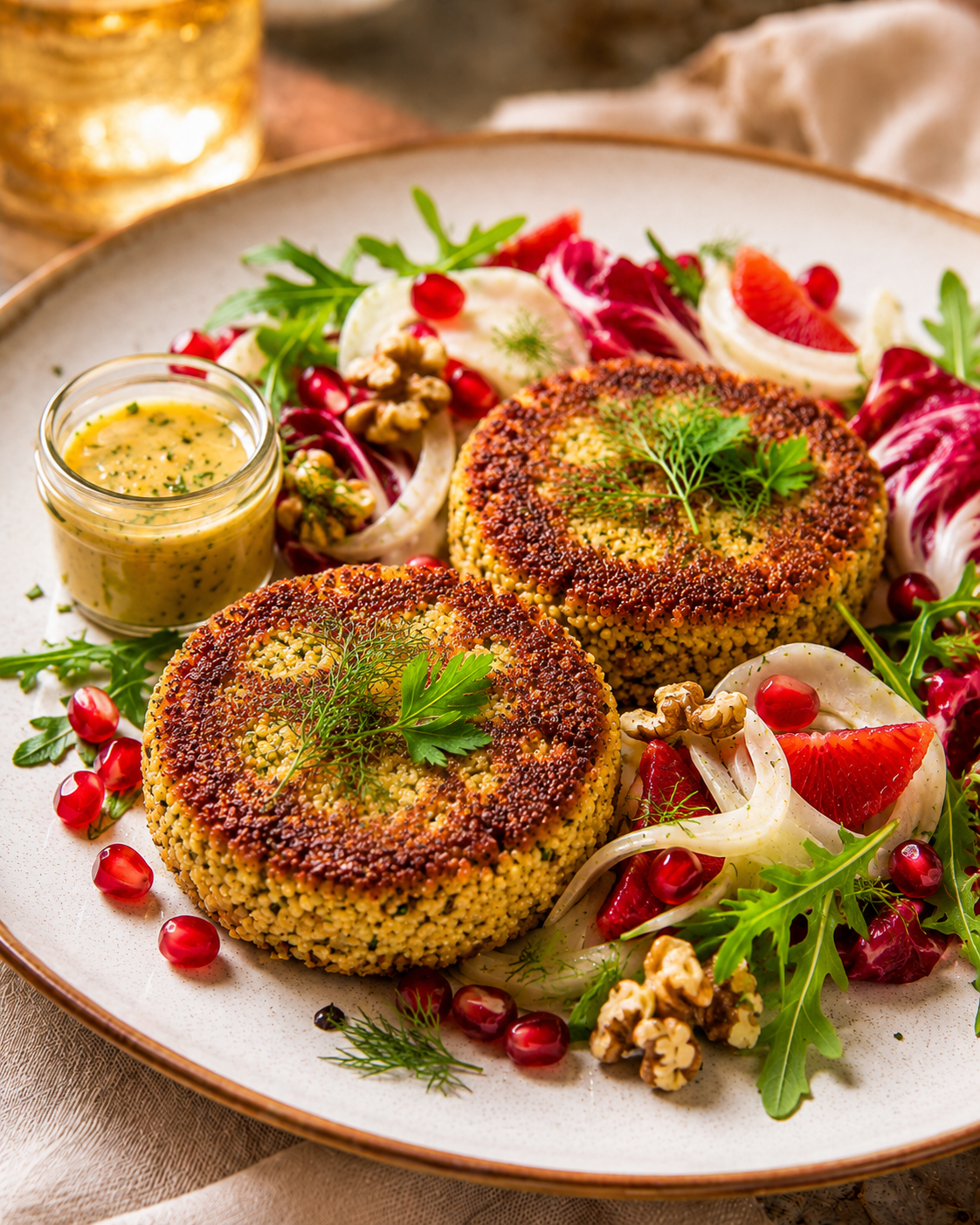
🌿 Golden Hour Artichoke Cakes
With Blood Orange–Fennel Crunch & Silken Turmeric-Tahini Drizzle
This is an original whole-food, plant-based recipe created specifically for the TUDCA and midlife metabolic-support blog. It has not appeared in the previous recipe collection.
Crispy-edged artichoke and white-bean cakes meet juicy blood orange, crunchy fennel, pleasantly bitter radicchio and a creamy golden tahini drizzle. It tastes elegant enough for brunch, satisfying enough for dinner and absolutely nothing like “sad health food.” 😌✨
⏱️ Time
Prep: 20 minutes
Cooking: 25–30 minutes
Total: Approximately 50 minutes
Serves: 4
🛒 Organic Ingredients
🌱 For the Artichoke–White Bean Cakes
1 × 400 g can organic cannellini beans, drained and rinsed
280 g organic artichoke hearts packed in water, drained and roughly chopped
1 cup cooked organic quinoa, cooled
½ cup organic oat flour
2 tablespoons organic ground flaxseed
5 tablespoons filtered water
2 organic garlic cloves, finely minced
2 tablespoons chopped organic flat-leaf parsley
1 tablespoon chopped organic dill
Zest of 1 organic lemon
1 tablespoon fresh organic lemon juice
1 teaspoon organic Dijon mustard
¼ teaspoon organic cayenne pepper
½ teaspoon pink Himalayan salt or sea salt
🍊 For the Blood Orange–Fennel Crunch
1 medium organic fennel bulb, very thinly sliced
2 organic blood oranges, peeled and segmented
2 cups finely sliced organic radicchio
1 cup organic baby rocket
¼ cup organic pomegranate arils
¼ cup organic walnuts, roughly chopped
1 tablespoon fresh organic orange juice
1 teaspoon organic apple cider vinegar
Pinch of pink Himalayan salt or sea salt
✨ For the Golden Tahini Drizzle
⅓ cup organic tahini
2 tablespoons fresh organic lemon juice
½ teaspoon organic ground turmeric
¼ teaspoon organic cayenne pepper
1 small organic garlic clove, finely grated
¼ teaspoon pink Himalayan salt or sea salt
4–6 tablespoons filtered water
👩🏾🍳 Step-by-Step Instructions
1. 🌾 Make the flax binder
Combine the ground flaxseed with five tablespoons of filtered water.
Stir and leave it for approximately 8–10 minutes, until it develops a thick, gel-like consistency.
This is the plant-based glue holding our cakes together—because nobody invited crumbly chaos to dinner.
2. 🌿 Prepare the artichoke mixture
Place the cannellini beans in a large bowl and mash them with a fork or potato masher.
Leave some beans partially intact for texture.
Add the chopped artichoke hearts, cooked quinoa, oat flour, garlic, parsley, dill, lemon zest, lemon juice, Dijon mustard, cayenne pepper, salt and prepared flax mixture.
Mix thoroughly until the mixture holds together when pressed.
Allow it to rest for five minutes so the oat flour can absorb some of the moisture.
3. 🥙 Shape the cakes
Preheat the oven to 220°C fan / 425°F.
Line a baking tray with unbleached parchment paper.
Divide the mixture into eight portions. Shape each portion into a compact patty approximately 2 cm thick.
Place the patties on the lined baking tray, leaving space between them.
4. 🔥 Bake until crisp
Bake for 13 minutes.
Carefully flip each cake, then bake for another 10–12 minutes, until the edges are golden and the centres are firm.
For additional crispness, place them under the grill or broiler for one to two minutes at the end. Watch closely—they can go from golden goddess to charcoal biscuit rather quickly. 😅
5. 🍊 Assemble the citrus-fennel crunch
Add the sliced fennel, blood orange segments, radicchio, rocket and pomegranate arils to a bowl.
Drizzle with the orange juice and apple cider vinegar. Add a small pinch of salt and toss gently.
Toast the walnuts in a dry pan over medium-low heat for two to three minutes, then scatter them over the salad.
6. 💛 Blend the tahini drizzle
Whisk together the tahini, lemon juice, turmeric, cayenne pepper, grated garlic and salt.
The mixture may initially become thick. Gradually whisk in the filtered water, one tablespoon at a time, until the sauce becomes smooth, silky and pourable.
7. 🍽️ Build your Golden Hour plate
Divide the blood orange–fennel crunch among four plates.
Add two warm artichoke cakes to each serving.
Drizzle generously with the turmeric-tahini sauce and finish with any remaining pomegranate arils, herbs and toasted walnuts.
Serve immediately while the cakes are warm and crisp.
🌟 Health Benefits of the Ingredients
🌿 Artichoke hearts
Artichokes provide fibre, folate and protective polyphenols. Their naturally occurring inulin also feeds beneficial intestinal bacteria and supports the gut–liver connection.
🫘 Cannellini beans
White beans supply plant protein, soluble fibre and resistant starch. They support satiety, bowel regularity, microbial diversity and steadier post-meal glucose responses.
🌾 Quinoa
Quinoa provides plant protein, magnesium, manganese and complex carbohydrates. It creates a more balanced meal while supporting muscle and metabolic function.
🌱 Ground flaxseed
Flaxseed supplies fibre, lignans and plant-based alpha-linolenic acid. It supports regular elimination, cardiovascular health and healthy hormone-metabolite clearance through the bowel.
🧄 Garlic
Garlic contains sulphur-containing compounds and prebiotic fibres that support liver enzyme systems, cardiovascular health and beneficial gut microorganisms.
🌿 Parsley
Parsley provides vitamin C, vitamin K, carotenoids and flavonoids while adding freshness without relying on excess salt.
🌱 Dill
Dill contains aromatic plant compounds and flavonoids. It brightens digestion-friendly meals and pairs beautifully with artichoke and citrus.
🍋 Lemon
Lemon provides vitamin C and acidity that lifts the flavour of bitter vegetables and legumes. Its acidity also helps the dish taste vibrant without heavy sauces.
🌶️ Cayenne pepper
Cayenne contains capsaicin, which supports circulation, thermogenesis and a lively flavour profile—without using black pepper.
🌾 Oat flour
Oats provide beta-glucan fibre, which supports cholesterol balance, satiety and healthier post-meal glucose regulation.
🌿 Fennel
Fennel provides fibre, vitamin C and aromatic compounds traditionally enjoyed for digestive comfort. Its crisp texture balances the creamy cakes and tahini.
🍊 Blood oranges
Blood oranges supply vitamin C and anthocyanins, the plant pigments responsible for their deep crimson colour. These compounds support antioxidant protection and vascular health.
🥬 Radicchio
Radicchio contributes fibre, anthocyanins and pleasantly bitter plant compounds. Bitter vegetables add variety to meals designed to support digestion and metabolic resilience.
🌱 Rocket
Rocket provides folate, vitamin K, nitrates and glucosinolate compounds. It supports vascular function and adds a peppery bite without black pepper.
❤️ Pomegranate
Pomegranate arils provide fibre and colourful polyphenols that support antioxidant and cardiovascular defences.
🌰 Walnuts
Walnuts contain plant-based omega-3 fats, polyphenols, magnesium and fibre. They support cardiovascular, brain and metabolic health.
🌻 Tahini
Tahini provides unsaturated fats, calcium, magnesium and sesame lignans. Dietary fat also helps the body absorb fat-soluble nutrients from the meal.
✨ Turmeric
Turmeric contains curcuminoids that support the body’s antioxidant and inflammatory-response pathways.
🍎 Apple cider vinegar
Apple cider vinegar adds acidity and brightness. Consuming vinegar as part of a balanced meal can also support a steadier post-meal glucose response in some people.
🧂 Pink Himalayan salt or sea salt
Salt enhances flavour and supplies sodium, an essential electrolyte. A small amount allows the citrus, herbs and bitter vegetables to shine without overwhelming the meal.
References
Evidence Note: Human TUDCA research supports liver, bile, insulin-sensitivity and vascular effects. Liver-regeneration, antifibrotic, fatty-liver and microglial findings are mainly preclinical and are not menopause-specific.
🌸 Perimenopause, Menopause & Metabolic Changes
NICE. Menopause: Identification and Management (NG23).
https://www.nice.org.uk/guidance/ng23 [1]
NHS. Menopause and Perimenopause.
https://www.nhs.uk/conditions/menopause-and-perimenopause/ [2]
Janssen I, et al. Menopause and the Metabolic Syndrome: The Study of Women’s Health Across the Nation.
https://pubmed.ncbi.nlm.nih.gov/18663170/ [3]
El Khoudary SR, et al. Menopause Transition and Cardiovascular Disease Risk. American Heart Association.
https://professional.heart.org/en/science-news/menopause-transition-and-cardiovascular-disease-risk-implications-for-timing-of-early-prevention [4]
🧪 TUDCA, Liver Health & Bile Flow
Ma H, et al. TUDCA Compared With UDCA in Primary Biliary Cholangitis.
https://pubmed.ncbi.nlm.nih.gov/27893675/ [5]
Crosignani A, et al. Tauroursodeoxycholic Acid for Primary Biliary Cirrhosis: A Dose-Response Study.
https://pubmed.ncbi.nlm.nih.gov/8674405/ [6]
Invernizzi P, et al. Metabolism and Disposition of UDCA and Its Taurine-Conjugated Form.
https://pubmed.ncbi.nlm.nih.gov/9918905/ [7]
🍬 Insulin Sensitivity & Vascular Function
Kars M, et al. TUDCA Improves Liver and Muscle Insulin Sensitivity in Insulin-Resistant Adults.
https://pubmed.ncbi.nlm.nih.gov/20522594/ [8]
Walsh LK, et al. TUDCA Prevents Endothelial Dysfunction Following an Oral Glucose Load.
https://pubmed.ncbi.nlm.nih.gov/27503949/ [9]
🏭 Cellular Stress, Mitochondria & Apoptosis
Xie Q, et al. TUDCA, Endoplasmic-Reticulum Stress, Apoptosis and Calcium Homeostasis.
https://pubmed.ncbi.nlm.nih.gov/12198651/ [10]
Mosbah IB, et al. TUDCA Protects Liver Cells During Ischaemia–Reperfusion Injury.
https://pubmed.ncbi.nlm.nih.gov/21364657/ [11]
🌿 Liver Regeneration, Fibrosis & Fatty Liver
Bai C, et al. TUDCA Induces Liver Regeneration and Alleviates Fibrosis in Experimental Models.
https://pubmed.ncbi.nlm.nih.gov/40299532/ [12]
Cho EJ, et al. TUDCA Reduces ER Stress in Experimental Steatohepatitis.
https://pubmed.ncbi.nlm.nih.gov/24865256/ [13]
🧠 TUDCA, TGR5 & Microglial Signalling
Yanguas-Casás N, et al. TUDCA Activates TGR5 and Regulates Inflammatory Microglial Responses.
https://pubmed.ncbi.nlm.nih.gov/27987324/ [14]
🔍 Functional Testing
Precision Analytical. DUTCH Complete and DUTCH Plus.
https://dutchtest.com/dutch-complete [15]
DNAlife. DNA Hormones.
https://www.dnalife.healthcare/products/dna/dna-hormones [16]
Diagnostic Solutions Laboratory. GI-MAP and StoolOMX.
https://www.diagnosticsolutionslab.com/tests/gi-map [17]
Oxford Biomedical Technologies. Mediator Release Test—MRT.
https://www.nowleap.com/the-patented-mediator-release-test/ [18]
MedlinePlus. Liver Function Tests.
https://medlineplus.gov/lab-tests/liver-function-tests/ [19]
🌱 Faith-Aligned Whole-Person Health
Ellen G. White. The Ministry of Healing.
https://media4.egwwritings.org/pdf/en_MH.pdf [20]
NEWSTART Lifestyle Program. Whole-Person Lifestyle Principles.
https://newstart.com/about/ [21]
Blog Disclaimer
The health information on this blog is for general educational purposes only and is not intended to diagnose, treat, cure, or prevent any disease. It should not be used as a substitute for professional medical advice. Always consult a qualified healthcare provider before making any health-related decisions
This blog may contain affiliate links, meaning Leaves from the Tree of Life LLC may earn a small commission if you purchase a product or service through these links—at no additional cost to you. Your support helps us continue to provide valuable content. Thank you!
