
The Hidden Connection Between Histamine Intolerance and Thyroid Dysfunction
The Hidden Connection Between Histamine Intolerance and Thyroid Dysfunction
Do you struggle with fatigue, unexplained weight changes, digestive discomfort, skin reactions, or mood swings? If so, your histamine levels and thyroid function might be working against you. These two systems are deeply connected, and when out of balance, they can create a frustrating cycle of symptoms.
As a Traditional Naturopath and Functional Diagnostic Nutrition® Practitioner, I believe in getting to the root cause of health issues rather than just managing symptoms. In this article, we’ll explore the histamine-thyroid connection, how poor gut health plays a role, and—most importantly—what you can do to restore balance.
What Is Histamine and Histamine Intolerance?
Histamine is a naturally occurring compound that plays a vital role in several bodily functions, including:
✔️ Immune Response – Triggers inflammation to help the body fight infections and allergens.
✔️ Stomach Acid Regulation – Stimulates gastric acid production for digestion.
✔️ Neurotransmitter Function – Helps regulate sleep-wake cycles and cognitive function.
Normally, the body produces, uses, and breaks down histamine efficiently through two key enzymes:
🌿 Diamine Oxidase (DAO) – Breaks down histamine in the gut.
🌿 Histamine-N-Methyltransferase (HNMT) – Metabolizes histamine in tissues and the nervous system.
However, when the body cannot break down histamine properly, it accumulates, leading to histamine intolerance (HIT).
Symptoms of Histamine Intolerance
✔️ Skin Issues – Hives, flushing, eczema, or unexplained rashes
✔️ Digestive Problems – Bloating, diarrhea, nausea, acid reflux
✔️ Neurological Symptoms – Headaches, brain fog, dizziness, anxiety
✔️ Respiratory Issues – Congestion, sneezing, asthma-like symptoms
✔️ Cardiovascular Symptoms – Rapid heartbeat, low blood pressure
Many people with histamine intolerance don’t realize that thyroid dysfunction could be making it worse.
High-Histamine Foods
Plant-Based:
Fermented foods (sauerkraut, kimchi, miso, tempeh)
Aged fruits (bananas, avocados, tomatoes, strawberries)
Spinach, eggplant, and nightshades
Vinegar and foods containing vinegar (pickles, ketchup, mustard)
Nuts (cashews, walnuts, peanuts)
Chocolate and cocoa
Tea (black, green)
Animal-Based:
Aged or cured meats (salami, pepperoni, smoked fish)
Fermented dairy (cheese, yogurt, kefir)
Shellfish (shrimp, crab, lobster)
Canned or processed fish (tuna, sardines, mackerel)
Low-Histamine Foods
Plant-Based:
Fresh vegetables (zucchini, carrots, cucumber, sweet potatoes)
Fresh fruits (apples, pears, watermelon, blueberries)
Herbs (basil, thyme, oregano)
Whole grains (quinoa, rice, oats)
Nuts & seeds (except cashews, walnuts, and peanuts)
Animal-Based:
Fresh, unprocessed meats (chicken, turkey, lamb, fresh-caught fish)
Fresh eggs
Dairy alternatives (coconut, almond, or oat milk without additives)
Eating fresh and minimally processed foods is key to managing histamine intolerance.
Understanding the Thyroid and Its Function
The thyroid gland, a small butterfly-shaped organ in your neck, produces hormones that regulate metabolism, energy levels, and overall bodily function. The two key thyroid hormones are:
🫴🏾 Thyroxine (T4) – The inactive form that needs to be converted into T3.
🫴🏾 Triiodothyronine (T3) – The active form that drives metabolic processes.
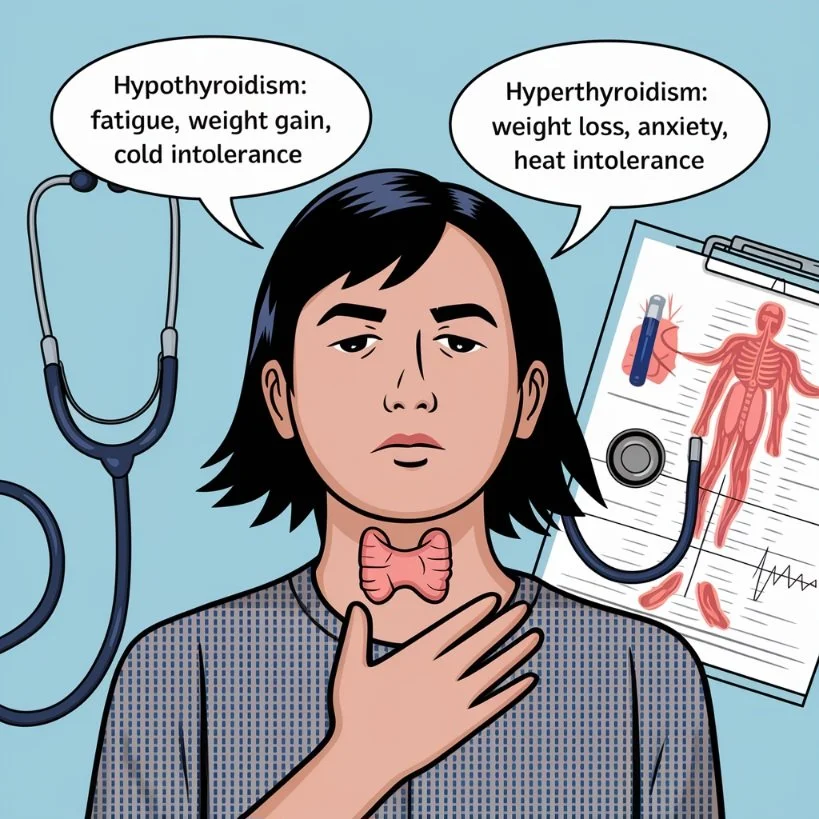
When the thyroid isn’t functioning properly, it can lead to hypothyroidism or hyperthyroidism.
Fun Fact:
Did you know that histamine levels increase as food ages? That means leftovers—even if they were low-histamine when freshly cooked—can become high in histamine after sitting in the fridge for a day or two! If you’re histamine-sensitive, eating freshly prepared meals can make a big difference in how you feel.
Signs of Hypothyroidism (Underactive Thyroid)
✔️ Fatigue and sluggishness
✔️ Cold intolerance
✔️ Weight gain
✔️ Depression and brain fog
✔️ Dry skin and hair loss
✔️ Constipation
Signs of Hyperthyroidism (Overactive Thyroid)
✔️ Unexplained weight loss
✔️ Anxiety and restlessness
✔️ Heart palpitations
✔️ Heat intolerance
✔️ Frequent bowel movements
✔️ Insomnia
Thyroid dysfunction doesn’t occur in isolation. It is often tied to gut health and immune function, both of which also influence histamine levels.
Mast Cell Activation and Full-Blown Histamine Intolerance
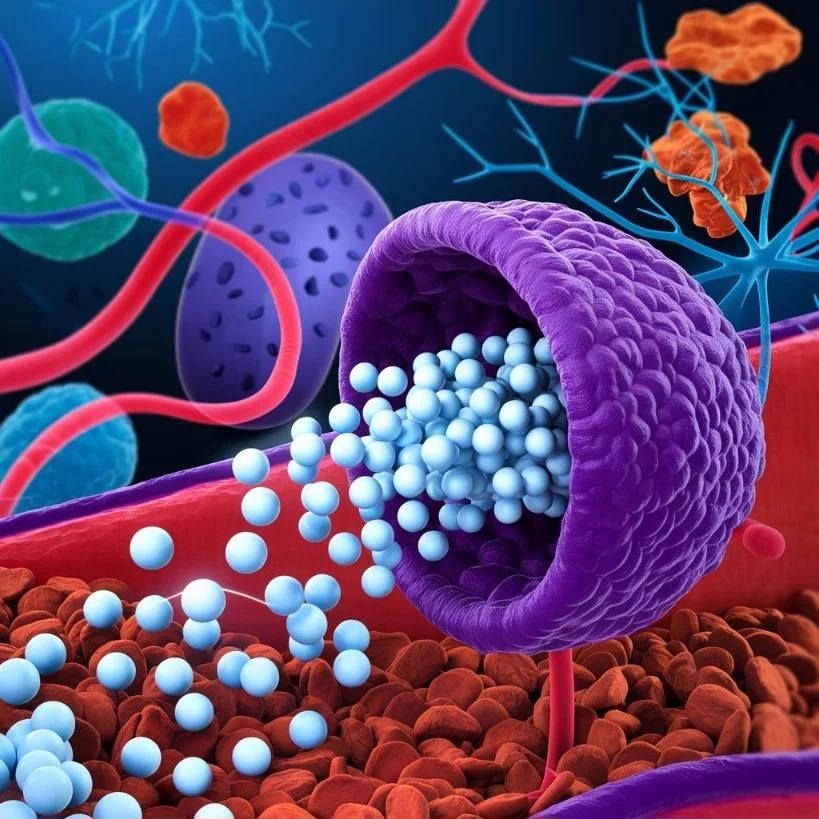
Mast cells are immune cells that store and release histamine. When triggered by allergens, stress, or infections, mast cells release excessive histamine, contributing to inflammation and allergic reactions.
Mast Cell Activation Syndrome (MCAS)
MCAS is a condition where mast cells become overactive, releasing excessive histamine and other inflammatory compounds. It can mimic histamine intolerance but is often more severe and widespread.
Symptoms of MCAS include:
✔️ Chronic inflammation
✔️ Severe allergic reactions
✔️ Widespread pain
✔️ Mood disorders
Since MCAS, histamine intolerance, and thyroid dysfunction share common root causes, addressing one often improves the others.
How Gut Health Influences Histamine and Thyroid Function
Your gut microbiome plays a critical role in breaking down histamine, converting thyroid hormones, and regulating inflammation. When gut health is compromised, it can lead to:
✔️ Leaky Gut Syndrome – A damaged intestinal lining allows toxins into the bloodstream, triggering autoimmune thyroid diseases like Hashimoto’s or Graves’ disease.
✔️ Dysbiosis – An imbalance of gut bacteria can impair DAO enzyme function, leading to histamine overload.
✔️ SIBO (Small Intestinal Bacterial Overgrowth) – Can increase histamine production and interfere with T4-to-T3 conversion.
If you’re struggling with thyroid dysfunction and histamine intolerance, addressing gut health is essential.
What Causes Histamine Intolerance?
✔️ Nutrient Deficiencies – Low levels of vitamin C, B6, and copper, which support DAO function
✔️ Gut Dysbiosis – Imbalanced gut bacteria increase histamine production
✔️ Hormonal Imbalances – Estrogen dominance increases histamine levels
✔️ Chronic Stress – Raises cortisol, which impairs histamine breakdown
✔️ Medications – Certain drugs block DAO enzyme activity
What Causes Thyroid Dysfunction?
✔️ Autoimmune Disorders – Hashimoto’s thyroiditis and Graves’ disease
✔️ Nutrient Deficiencies – Iodine, selenium, zinc, and vitamin D are crucial
✔️ Chronic Stress – Affects adrenal function, impacting thyroid hormone production
✔️ Toxin Exposure – Heavy metals, fluoride, and endocrine disruptors
Testing for Histamine Intolerance and Thyroid Dysfunction
Functional Blood Chemistry Analysis
✔️ Plasma Histamine Levels – To assess histamine intolerance
✔️ DAO Enzyme Levels – To determine histamine breakdown efficiency
✔️ Thyroid Panel – TSH, Free T4, Free T3, Reverse T3
✔️ Thyroid Antibodies (TPO, TG Antibodies) – To check for autoimmunity
Functional Lab Testing
✔️ Comprehensive Stool Test (GI Effects or GI-MAP) – To assess gut health and infections
✔️ Organic Acids Test (Metabolomix+) – To evaluate histamine metabolism
✔️ Food Sensitivity Testing – To identify triggers
✔️ Salivary Cortisol Test – To assess adrenal function
How to Reverse Histamine Intolerance and Thyroid Dysfunction
For Histamine Intolerance:
✔️ Support DAO enzyme activity – Increase vitamin C, B6, and copper intake
✔️ Eat a low-histamine diet – Avoid fermented foods, aged cheeses, and alcohol
✔️ Heal the gut – Use prebiotics, probiotics, and gut-friendly foods
✔️ Reduce stress – Practice meditation and deep breathing
✔️ Balance hormones – Support liver detoxification to process estrogen
For Thyroid Dysfunction:
✔️ Optimize nutrient intake – Ensure iodine, selenium, and zinc levels are sufficient
✔️ Reduce inflammation – Adopt an anti-inflammatory, whole-food diet
✔️ Address gut health – Treat infections, dysbiosis, and leaky gut
✔️ Limit toxin exposure – Avoid fluoride, heavy metals, and endocrine disruptors
✔️ Manage stress – Balance cortisol levels for optimal thyroid function
Are You Ready?
Many people struggle with histamine intolerance and thyroid dysfunction for years without realizing they are connected. Addressing gut health, nutrient deficiencies, and inflammation is the key to long-term healing.
If you’re tired of dealing with symptoms and looking for real answers, I invite you to book a consultation with me today. Together, we can uncover the root cause of your health struggles and create a personalized healing plan.
Don’t settle for temporary relief—let’s restore balance and vitality in your life!
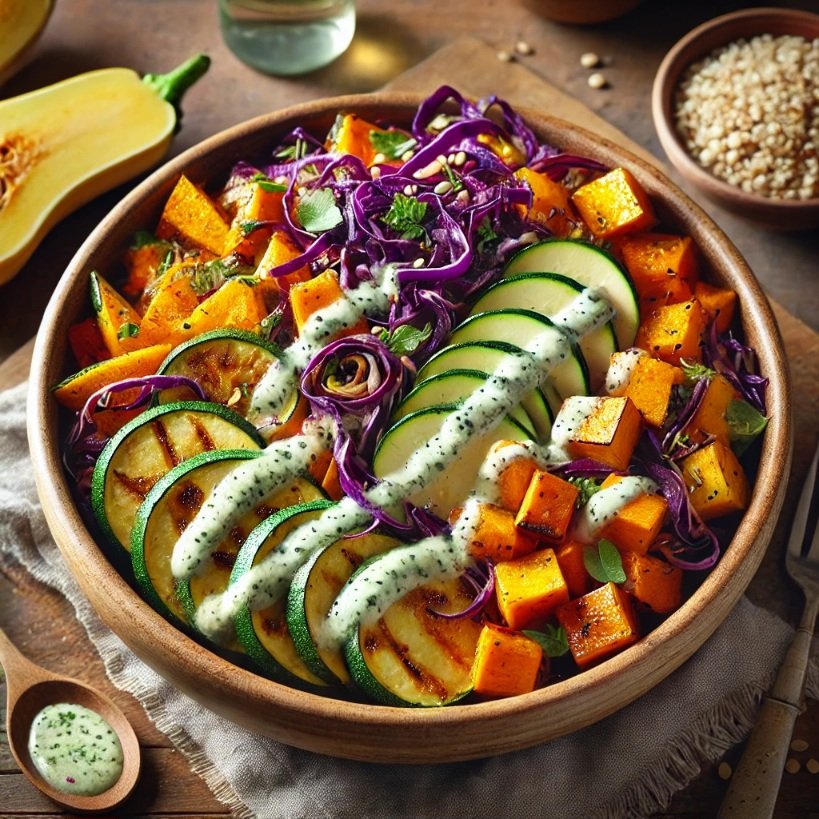
Zucchini & Sweet Potato Hash with Coconut Herb Dressing
A low-histamine, gut-friendly, and thyroid-supporting meal
Why This Meal Works
This dish is packed with anti-inflammatory, nutrient-rich, and gut-friendly ingredients that help support histamine metabolism and thyroid function. The combination of fresh vegetables, healthy fats, and herbs makes it a delicious, satisfying, and nourishing meal.
Ingredients (All Whole-Food Plant-Based & Low-Histamine)
For the Hash:
2 medium zucchinis, diced
1 large sweet potato, peeled and diced
1 cup butternut squash, cubed
½ cup purple cabbage, thinly sliced
1 tablespoon coconut oil
1 teaspoon fresh thyme, chopped
½ teaspoon smoked paprika
½ teaspoon sea salt
For the Protein Boost (Optional):
1 cup cooked red lentils or quinoa
For the Coconut Herb Dressing:
½ cup coconut yogurt (unsweetened)
1 tablespoon extra virgin olive oil
1 teaspoon fresh oregano, finely chopped
1 teaspoon fresh basil, finely chopped
½ teaspoon garlic powder
½ teaspoon lemon zest
¼ teaspoon sea salt
Instructions
1. Roast the Sweet Potato & Butternut Squash
Preheat the oven to 400°F (200°C). Toss the sweet potato and butternut squash with coconut oil, thyme, smoked paprika, and salt. Spread on a baking sheet and roast for 20-25 minutes, flipping halfway through.
2. Sauté the Zucchini & Cabbage
While the root veggies roast, heat a pan over medium heat. Add a small amount of coconut oil, then sauté zucchini and cabbage for 5-7 minutes until softened. Remove from heat and set aside.
3. Prepare the Dressing
In a small bowl, whisk together coconut yogurt, olive oil, fresh herbs, garlic powder, lemon zest, and salt until creamy. Adjust seasoning to taste.
4. Assemble the Dish
In a large bowl or plate, layer the roasted sweet potato and butternut squash, followed by the sautéed zucchini and cabbage. Add cooked red lentils or quinoa for an extra protein boost.
5. Drizzle & Enjoy!
Generously drizzle with the coconut herb dressing and enjoy this gut-friendly, thyroid-supporting, low-histamine meal.
Why This Meal Supports Histamine & Thyroid Health
✔ Sweet Potatoes & Butternut Squash – Rich in beta-carotene, vitamin C, and fiber, great for gut health and inflammation.
✔ Zucchini & Purple Cabbage – Low-histamine veggies that support digestion and detoxification.
✔ Coconut Yogurt & Olive Oil – Provides healthy fats and probiotics for gut balance.
✔ Fresh Herbs (Oregano, Basil, Thyme) – Natural antihistamines and anti-inflammatory compounds.
✔ Lentils or Quinoa – Plant-based protein to support metabolism and energy.
This dish is vibrant, nourishing, and packed with healing properties—perfect for anyone looking to balance histamine levels and support thyroid function naturally.
Meal Variations & Prep Tips for Zucchini & Sweet Potato Hash
Meal Variations
1. Swap the Protein:
Instead of lentils or quinoa, try cooked millet or sprouted chickpeas for a different texture.
If you tolerate nuts and seeds, sprinkle hemp seeds for an extra protein boost.
2. Change Up the Veggies:
Instead of butternut squash, use parsnips or carrots.
Swap purple cabbage for bok choy or green cabbage if desired.
3. Make It a Wrap:
Use lettuce cups or homemade cassava tortillas to turn this into a portable, low-histamine wrap.
4. Add a Crunchy Topping:
Toasted pumpkin seeds or sunflower seeds for added crunch and minerals like zinc (which supports thyroid health).
5. Spice It Up (Without Histamine Triggers):
Use fresh ginger or turmeric instead of black pepper or chili powder.
Sprinkle with cinnamon for a slightly sweet and warming effect.
Meal Prep Tips
✔ Batch Roasting:
Roast extra sweet potatoes and butternut squash for easy meals throughout the week. Store them in an airtight container in the fridge for up to 4 days.
✔ Dressing Storage:
Make the coconut herb dressing ahead of time and store it in the fridge for up to 5 days. Shake well before using.
✔ Quick Assembly for Busy Days:
Pre-chop veggies and store them in glass containers.
Keep cooked quinoa or lentils ready in the fridge for quick meals.
✔ Freezing Option:
You can freeze roasted sweet potatoes and butternut squash for up to 3 months.
The dressing is best fresh but can be frozen in small portions if needed.
This meal is not only nutrient-dense, gut-friendly, and easy to digest but also flexible enough for meal prep and customization. Let me know if you’d like more variations!
Citations
https://www.histamineintolerance.org.uk/about/the-food-diary/the-food-list/
https://www.webmd.com/diet/foods-high-in-histamine
https://www.bbcgoodfood.com/health/health-conditions/top-20-low-histamine-foods
https://mastcell360.com/low-histamine-foods-list/
https://www.rupahealth.com/post/functional-medicine-histamine-intolerance-support-protocol
https://theceliacmd.com/the-low-histamine-diet-what-is-it-and-does-it-work/
https://www.nahrungsmittel-intoleranz.com/en/histamine-intolerance-food-list/
Blog Disclaimer
The health information on this blog is for general educational purposes only and is not intended to diagnose, treat, cure, or prevent any disease. It should not be used as a substitute for professional medical advice. Always consult a qualified healthcare provider before making any health-related decisions.
This blog may contain affiliate links, meaning Leaves from the Tree of Life LLC may earn a small commission if you purchase a product or service through these links—at no additional cost to you. Your support helps us continue to provide valuable content. Thank you!
✨ Unlock expert wellness insights! 🌿 Subscribe now for exclusive health tips & natural living secrets! 🌱💪🏾
