
🌸 Wait…Where Did That Cholesterol Come From?
You're eating relatively well, maintaining your usual routines, and perhaps making healthier choices than you did in your thirties.
Then your latest blood work arrives.
Your cholesterol has increased. Your LDL is climbing. And suddenly, you're wondering what on earth changed.
Your diet hasn't dramatically changed. Your lifestyle hasn't either.
Welcome to another unexpected plot twist of perimenopause and menopause! 😏
Here's something many women aren't told: Cholesterol levels can change during the menopause transition, even without significant dietary changes.
And while elevated cholesterol deserves attention, the explanation isn't always as simple as what we're eating.
Sometimes, the bigger picture involves hormonal shifts, liver function, insulin sensitivity, thyroid health, and genetics.
Let's explore what's happening beneath the surface.
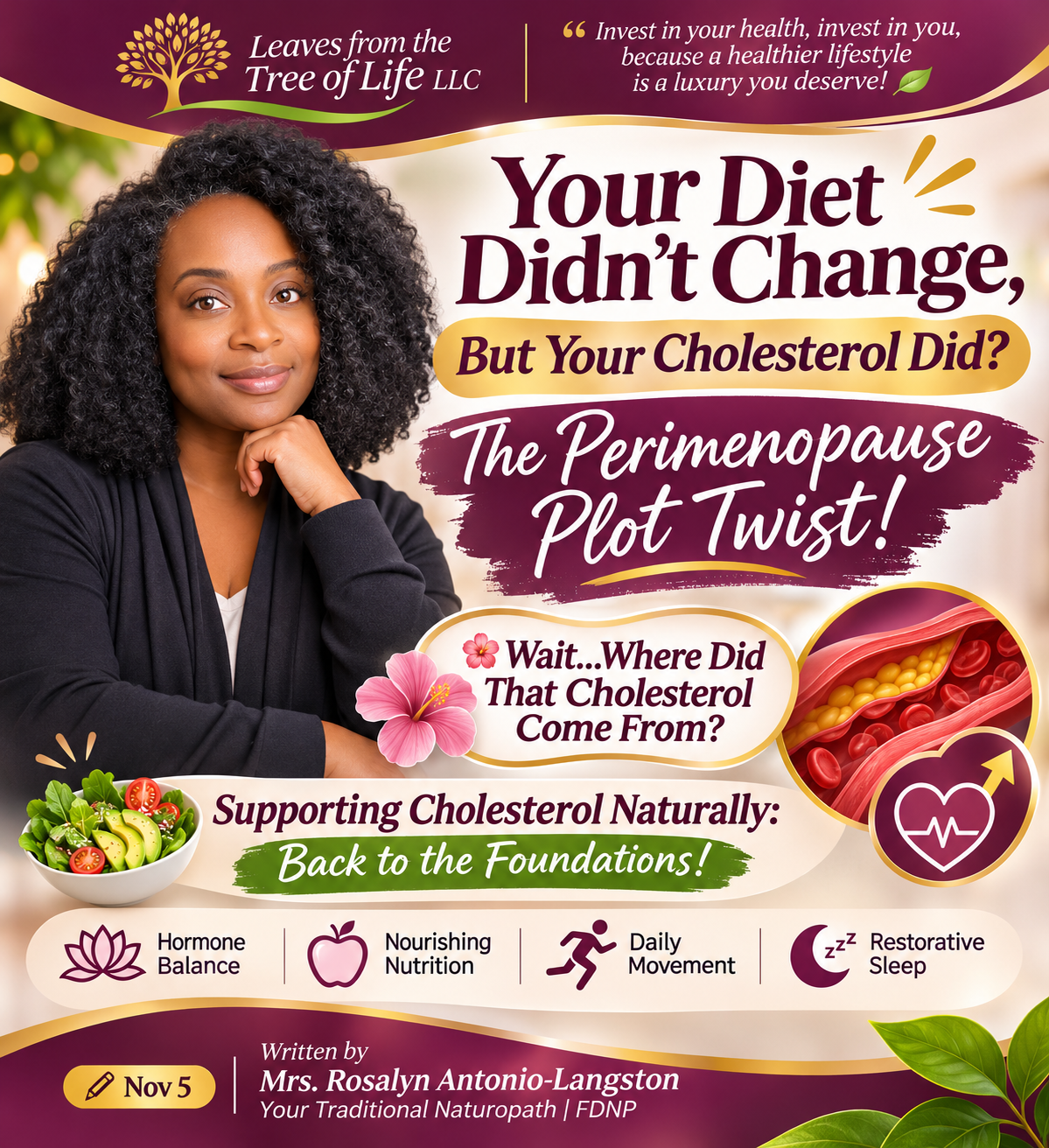
👩🏾⚕️ Your Naturopath Is Navigating Perimenopause, Too!
I'm Rosalyn Antonio-Langston, a Traditional Naturopath and Functional Diagnostic Nutrition® Practitioner, and like many women reading this, I'm navigating perimenopause myself.
So when I discuss fluctuating hormones, disrupted sleep, unexpected anxiety, changes in skin and hair, brain fog, and those moments when our bodies seem to have developed personalities of their own, I'm speaking from both professional knowledge and personal experience.
And ladies, our bodies certainly know how to keep things interesting!
But here's what fascinates me.
While one woman experiences hot flashes, insomnia, or abdominal weight gain, another may experience very few noticeable symptoms.
Metabolic and cardiovascular changes don't always announce themselves.
Elevated cholesterol, for example, typically produces no noticeable symptoms.
That's why understanding our laboratory results and becoming proactive about our health during midlife is so important.
We're not powerless passengers on this hormonal journey.
🔬 What Does Research Say About Cholesterol and Menopause?
Research from the Study of Women's Health Across the Nation (SWAN) offers some fascinating insights.
In a 2009 analysis involving 1,054 women transitioning through natural menopause, researchers found that total cholesterol, LDL cholesterol, and apolipoprotein B (ApoB) increased most noticeably during the year before and after the final menstrual period.
These increases were associated with the menopause transition itself, beyond the effects of aging alone.
And importantly, the research included women from different ethnic backgrounds.
Subsequent research has also associated declining estradiol with less favorable cholesterol and lipoprotein patterns.
Translation? Your changing hormones may be influencing your cholesterol, even when your daily habits remain relatively consistent.
However, menopause is not the only contributing factor. Genetics, nutrition, body composition, thyroid function, and metabolic health still matter.
🧬 Estrogen, FSH & Your Liver: The Cholesterol Connection
Let's give estrogen some credit!
Estradiol does considerably more than regulate reproductive function.
It also influences cardiovascular health, glucose metabolism, fat distribution, and cholesterol regulation.
Our liver contains specialized proteins called LDL receptors, which help remove LDL particles from circulation.
Estrogen influences these cholesterol-clearing pathways.
As estradiol declines during menopause, LDL clearance may become less efficient, contributing to higher circulating cholesterol.
But there's another hormonal player worth discussing.
Follicle-stimulating hormone (FSH).
As ovarian function declines, FSH generally increases.
A 2016 Chinese study involving 400 postmenopausal women found an association between higher FSH and increased total and LDL cholesterol.
Laboratory experiments also suggested that FSH could influence LDL receptor expression in the liver.
While these findings are intriguing, the direct role of FSH in human cholesterol regulation requires additional research.
The important takeaway? Our hormones and metabolic systems are interconnected.
And this is why looking beyond one isolated laboratory result can be valuable.
🫀 Beyond LDL: What Else Should We Be Watching?
When most people think about cholesterol, LDL and HDL immediately come to mind.
But several other markers can provide useful information about cardiovascular health.
LDL-C: Measures cholesterol carried by LDL particles. Elevated concentrations contribute to atherosclerotic cardiovascular risk.
HDL-C: Measures cholesterol within HDL particles. Higher levels aren't automatically protective.
Triglycerides: Can provide clues about metabolic health, insulin resistance, and nutritional influences.
ApoB: Reflects the number of potentially atherogenic lipoprotein particles and can help refine cardiovascular risk assessment.
Lp(a): A predominantly genetically determined cardiovascular risk marker. Testing at least once in adulthood is increasingly recommended.
Interestingly, 2026 research examining Lp(a) changes in women across the menopause transition found that levels were generally stable or changed modestly, although some women experienced more substantial increases.
The research reinforces something important: Understanding our individual cardiovascular risk is more valuable than focusing exclusively on one cholesterol number.
And here's another consideration.
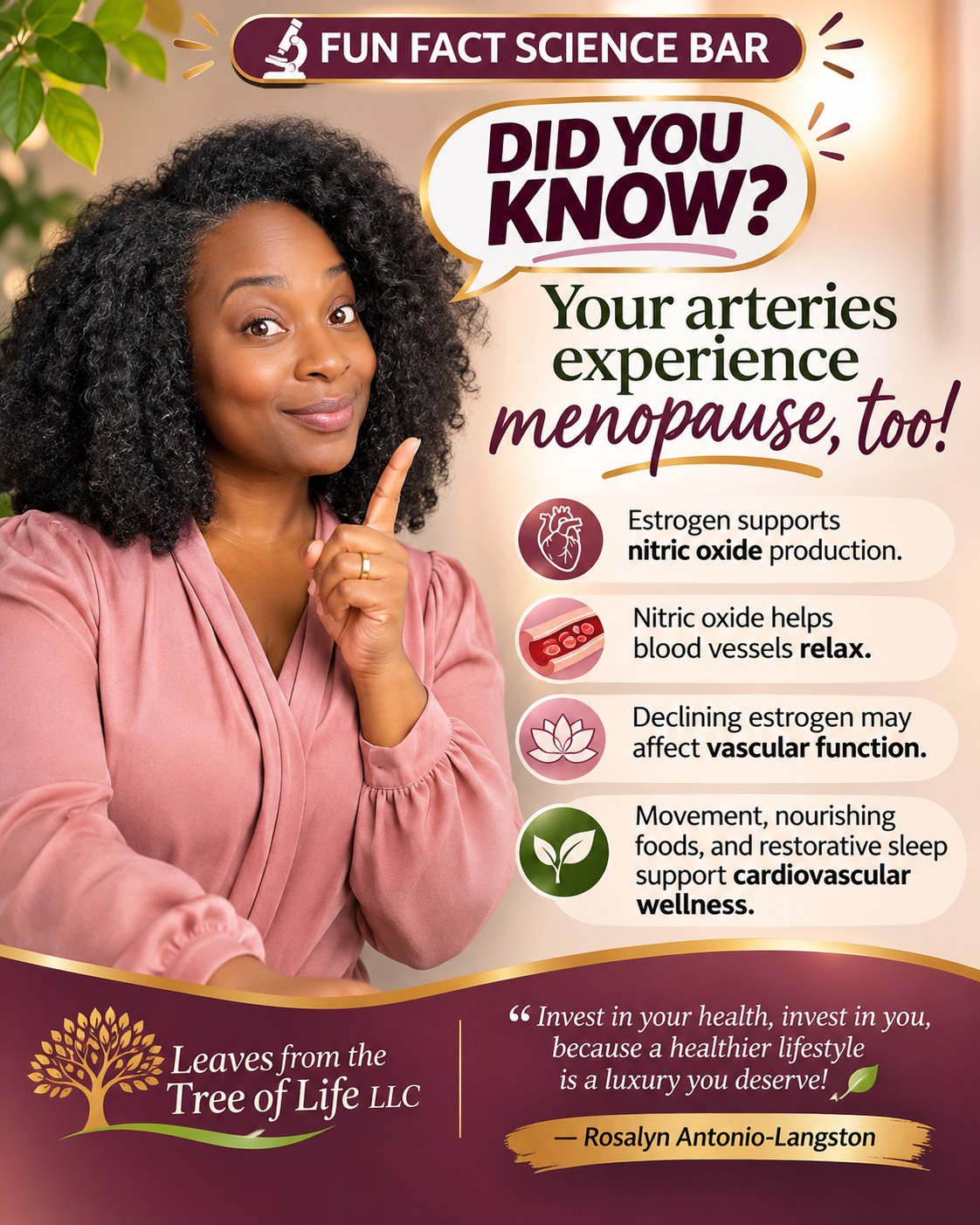
🔬 Fun Fact Science Bar — Did You Know? 🫀
Did you know that estrogen helps your blood vessels produce nitric oxide (NO), a tiny but powerful molecule that helps arteries relax and supports healthy circulation? As estrogen declines during menopause, nitric oxide signalling may decrease, potentially affecting blood vessel function—even before obvious symptoms appear!
👉🏾 Translation: Ladies, your cholesterol isn't the only thing experiencing a midlife plot twist! 😏 Your arteries may also become less responsive to signals that help them relax. This is one reason cardiovascular health involves more than cholesterol numbers.
✨ Healing Opportunity: Support your vascular health with regular movement, antioxidant-rich whole plant foods, restorative sleep, and healthy blood pressure management. Small, consistent habits matter!
✝️ Faith Element: Proverbs 4:23 reminds us to guard our hearts. While its message is spiritual, caring for our physical hearts is another meaningful expression of stewardship. God gave us one body—let's treat it with wisdom! 🙏🏾🌿
🦋 Could Your Thyroid Be Contributing?
Thyroid hormones influence the liver's ability to clear LDL cholesterol.
When thyroid hormone production is insufficient, LDL cholesterol may rise.
Hypothyroidism can also produce fatigue, constipation, dry skin, and cognitive changes—symptoms that sometimes overlap with perimenopause.
This is why appropriate thyroid evaluation may be useful when elevated cholesterol or suggestive symptoms appear.
The goal isn't to assume everything is hormonal.
It's to investigate what the available evidence tells us.
🍃 Metabolic Chaos®: Connecting the Pieces
In Functional Diagnostic Nutrition®, we use the concept of Metabolic Chaos® as a framework for exploring how multiple physiological stressors and imbalances may interact.
It's not a medical diagnosis, but it encourages us to consider the bigger picture.
During perimenopause, several changes can occur simultaneously:
Fluctuating and eventually declining estrogen
Changes in insulin sensitivity and glucose regulation
Increased abdominal or visceral fat accumulation
Disrupted sleep and stress-related challenges
Changes in muscle mass and physical activity
Digestive concerns and nutritional insufficiencies
Not every woman experiences these changes, and they don't necessarily share one underlying cause.
However, understanding how different factors may interact can help identify potential healing opportunities.
This is where naturopathic principles and functional nutrition methodologies become particularly valuable.
Instead of asking only, "How do we bring this number down?"
We also explore:
"What may be contributing to this pattern, and which foundational changes could improve long-term health?"
🧪 Testing With Purpose: Looking for Clues
One thing I'm genuinely encouraged to see is conventional medicine placing increasing emphasis on women's menopausal and cardiovascular health.
It's about time, ladies!
As a Traditional Naturopath and FDN Practitioner, I believe appropriate medical evaluation and functional nutrition support can complement one another.
Depending on individual circumstances, the following assessments may offer useful information:
🔬 Standard Lipid Panel, ApoB & Lp(a)
Help evaluate cholesterol patterns and cardiovascular risk.
🩸 Functional Blood Chemistry Analysis (FBCA)
Reviews conventional blood markers alongside health history and nutritional patterns, including glucose, HbA1c, liver enzymes, and relevant nutrient markers.
🦋 Thyroid & Metabolic Testing
TSH, free T4 when indicated, HbA1c, and selected additional markers may help investigate thyroid and metabolic concerns.
🌸 DUTCH Hormone Testing
Provides information about urinary hormone metabolites.
🧬 DNAlife DNA Hormones
Examines selected genetic variants associated with hormone-related pathways and possible predispositions, rather than confirming current hormonal dysfunction.
🌿 GI-MAP & MRT
These are functional nutrition approaches for digestive or food-related concerns.
The goal isn't testing everything under the sun!
It's selecting meaningful assessments, interpreting results responsibly, and using the information to help guide individualized wellness recommendations.
And remember, no single test can identify every factor contributing to Metabolic Chaos®.
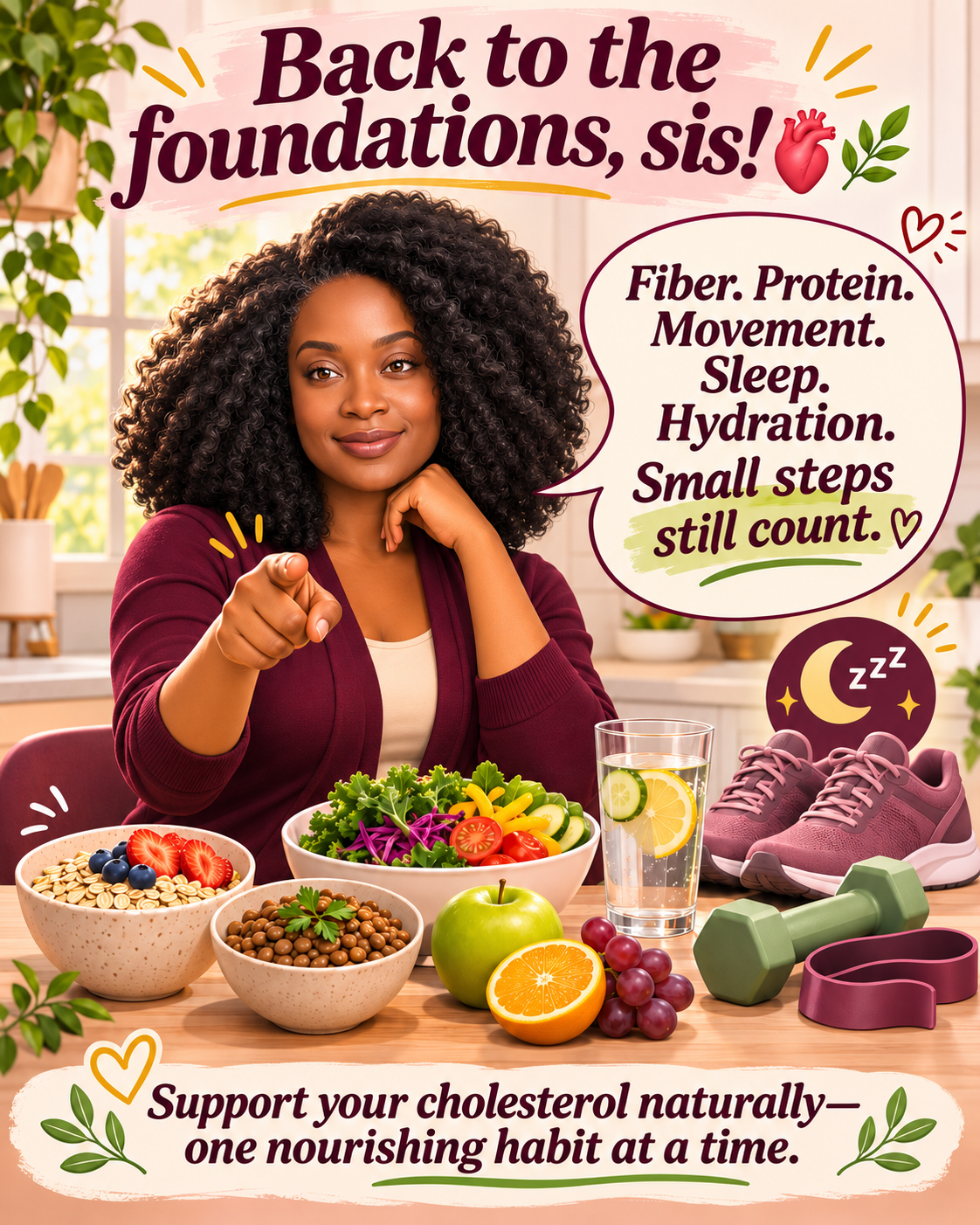
🥗 Supporting Cholesterol Naturally: Back to the Foundations!
Now for one of my favorite topics: foundational health!
And don't worry, ladies, I'm not about to recommend surviving on lettuce leaves and green juice! 😏
Here are several evidence-informed strategies worth considering.
🌱 Eat More Whole, Plant-Based Foods
Oats, barley, beans, lentils, vegetables, fruits, nuts, seeds, and soy foods provide fiber and other nutrients that support cardiovascular health.
Soluble fiber, particularly beta-glucan from oats and barley, can help lower LDL cholesterol.
💪🏾 Prioritize Protein & Strength Training
Adequate protein and resistance exercise help maintain muscle mass, physical function, and metabolic health throughout midlife.
🚶🏾♀️ Keep Moving
Walking, resistance training, and other appropriate physical activities support cardiovascular and metabolic health.
😴 Protect Your Rest
Sleep disruptions are common during perimenopause. Supporting restorative sleep is an important part of a comprehensive wellness plan.
🫒 Be Mindful of Dietary Fats
Replacing saturated fats with unsaturated fats, while emphasizing minimally processed foods, can help improve lipid profiles.
🌿 Consider Targeted Nutritional Support
Certain supplements, such as soluble fiber or plant sterols, may be useful in appropriate circumstances, but supplements should complement—not replace—medical care and foundational health practices.
Consistent, sustainable changes often matter more than chasing the latest wellness trend.
🙏🏾 Faith, Wisdom & Stewardship of Our Health
One principle that continues to shape my approach to wellness is understanding that caring for our bodies is an act of stewardship.
Scripture reminds us:
"I will praise thee; for I am fearfully and wonderfully made." — Psalm 139:14, KJV
Our bodies are wonderfully complex, and menopause reminds us just how interconnected our physiological systems truly are.
The principles found within the Seventh-day Adventist health message—wholesome nutrition, physical activity, water, sunlight, fresh air, temperance, restorative rest, and trust in divine power—continue to offer a meaningful foundation for healthy living.
These principles don't guarantee freedom from disease, but they encourage intentional living and responsible health choices.
Midlife isn't about turning back the clock. It's about caring wisely for the body we've been given.
And that includes knowing when to seek professional medical guidance.
🌷 Ladies, Your Midlife Wellness Story Isn't Over!
If there's one thing I want you to remember, it's this:
You don't have to wait until something goes wrong to become proactive about your metabolic health.
Perimenopause and menopause present opportunities to reassess cardiovascular health, nutritional needs, lifestyle habits, and overall well-being.
Some changes may be noticeable. Others may only appear through appropriate testing.
Neither means declining health is inevitable.
Ask questions. Understand your laboratory results. Discuss your risk factors. Explore appropriate wellness strategies.
Because menopause isn't a disease, but it is a significant physiological transition that deserves attention.
And we can approach it with knowledge, confidence, and preparation.
💗 Ready to Explore Your Healing Opportunities?
Are you a busy businesswoman navigating hormonal changes, anxiety, bloating, or unexpected shifts in your health?
You deserve more than being told that everything is just part of getting older.
At Leaves from the Tree of Life LLC, we help Businesswomen who are Hormonal, Anxious, and Bloated through Functional Nutrition Coaching + Labs.
Our approach focuses on foundational wellness, personalized nutritional strategies, lifestyle support, and appropriate laboratory insights to explore potential healing opportunities.
Whether you're navigating perimenopause, menopause, or simply want to become more proactive about your health, we're here to support your wellness journey.
🌿 Ready to begin?
👉🏾 CLICK HERE to Schedule Your Discovery Call
Let's explore how personalized functional nutrition coaching may support your health goals.
"Invest in your health, invest in you, because a healthier lifestyle is a luxury you deserve!"
— Rosalyn Antonio-Langston
Traditional Naturopath | Functional Diagnostic Nutrition® Practitioner
Leaves from the Tree of Life LLC 🌿
🛍️ Wellness Resources & Supplement Partners
🇺🇸 United States: Leaves from the Tree of Life Supplement Store
🇬🇧 United Kingdom: Amrita Nutrition
UK Code: KXCTGG
Supplements should be individualized according to nutritional needs, medical history, medications, and professional guidance.
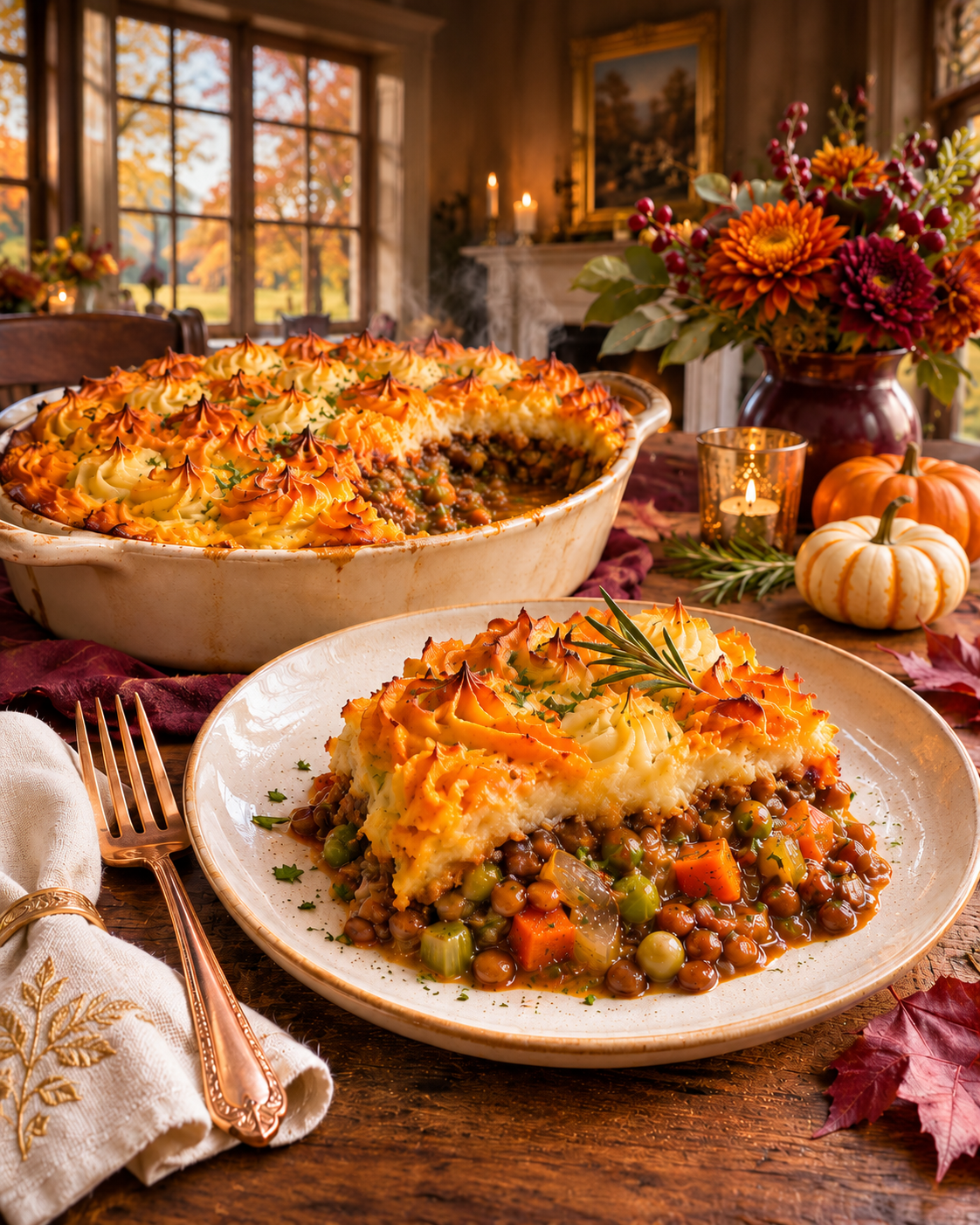
🍁 The Autumn Harvest Comfort Pie 🥧🌿
A Rich & Savory Whole-Food Plant-Based Lentil & Vegetable Shepherd's Pie
Golden, fluffy sweet potato mash meets a deeply savory medley of tender lentils, earthy mushrooms, and colorful autumn vegetables. Cozy comfort food with a sophisticated, nourishing twist!
Ladies, who says supporting your cholesterol and metabolic health has to mean sacrificing delicious food? 😏
This hearty, whole-food plant-based shepherd's pie delivers everything we love about autumn: fragrant herbs, rich savory flavors, naturally sweet vegetables, and a beautifully golden topping.
And here's the bonus: it's packed with plant-based protein, fiber, antioxidants, and nutrients that support cardiovascular and metabolic wellness.
⏱️ Prep Time: 20 minutes
🔥 Cooking Time: 35 minutes
🕰️ Total Time: Approximately 55 minutes
🍽️ Servings: 5–6
🌱 Dietary: 100% Whole-Food Plant-Based | Vegan | Dairy-Free | Oil-Free
🛒 Organic Ingredients & Their Nutritional Benefits
🥔 For the Golden Autumn Mash
🥔 2 medium organic Yukon Gold potatoes: Provide potassium, vitamin C, and carbohydrates for energy.
🍠 1 medium organic sweet potato: Rich in beta-carotene, which the body converts into vitamin A, supporting immune function.
🥛 ⅓ cup organic unsweetened soy milk: Adds creaminess and plant-based protein without dairy.
🧄 2 organic garlic cloves, minced: Contain sulfur compounds being studied for their potential cardiovascular benefits.
🌿 2 tablespoons organic nutritional yeast (optional): Adds a deliciously savory flavor and may provide B vitamins, particularly when fortified.
🍄 For the Rich & Savory Lentil Filling
🫘 2½ cups cooked organic green or brown lentils: Provide plant protein, iron, folate, and dietary fiber that supports digestive and cardiovascular health.
🍄 1½ cups organic cremini mushrooms, finely chopped: Provide savory umami flavor, B vitamins, and antioxidant compounds.
🥕 2 organic carrots, diced: Supply beta-carotene and fiber.
🧅 1 medium organic yellow onion, diced: Contains quercetin and other antioxidant compounds.
🌿 2 organic celery stalks, diced: Provide fiber, vitamin K, and natural aromatic flavor.
🟢 ¾ cup organic green peas: Add plant-based protein, fiber, vitamin C, and vibrant color.
🍅 2 tablespoons organic tomato paste: Contains lycopene, an antioxidant carotenoid associated with cardiovascular health.
🥣 ¾ cup organic low-sodium vegetable broth: Creates a rich, moist filling without added oil.
🌱 1 teaspoon organic dried thyme and ½ teaspoon organic rosemary: Provide fragrant flavor and naturally occurring plant polyphenols.
🌶️ ½ teaspoon organic smoked paprika and a tiny pinch of organic cayenne: Add smoky warmth, vibrant color, and naturally occurring antioxidant compounds.
🧂 Fine sea salt, to taste: Enhances the flavors. Use moderately, as sea salt contains sodium just like regular salt.
👩🏾🍳 Let's Create Some Autumn Magic!
Step 1: Prepare the Golden Mash 🥔
Preheat your oven to 200°C / 400°F.
Peel and cube your Yukon Gold potatoes and sweet potato. Boil in water for approximately 15–18 minutes until fork-tender.
Drain thoroughly, then mash with the unsweetened soy milk, minced garlic, and nutritional yeast until beautifully smooth and fluffy. Add a little sea salt to taste.
Step 2: Build That Savory Filling 🍄
In a large skillet over medium heat, sauté the onion, carrots, and celery with a splash of vegetable broth for 5–6 minutes.
Add the mushrooms and cook another 5 minutes until tender and their natural moisture has mostly evaporated.
Stir in tomato paste, thyme, rosemary, smoked paprika, and cayenne.
Step 3: Bring It All Together 🌿
Fold in the cooked lentils, green peas, and remaining vegetable broth.
Simmer for approximately 5–7 minutes, allowing the herbs and vegetables to mingle and develop a wonderfully rich flavor.
For a thicker, more traditional shepherd's pie filling, gently mash a few spoonfuls of lentils directly into the mixture.
Season with sea salt to taste.
Step 4: Create Your Golden Masterpiece 🥧
Spoon the fragrant lentil mixture into a medium ceramic baking dish.
Spread the creamy potato mash over the top, creating elegant peaks and swirls with a fork.
Bake uncovered for 18–20 minutes until bubbling around the edges and lightly golden on top.
For additional browning, place under the grill/broiler briefly, watching carefully.
Step 5: Serve With a Little Autumn Elegance 🍁
Allow the pie to rest for 5 minutes before serving.
Garnish with a fresh sprig of rosemary and accompany it with steamed green beans or a crisp seasonal salad.
Then take that first glorious bite!
🫀 Why Your Midlife Heart Will Appreciate This Meal
✨ Fiber-Rich: Lentils, vegetables, and potatoes provide dietary fiber. Higher-fiber dietary patterns can help support healthier LDL cholesterol levels.
💪🏾 Plant-Protein Powered: Lentils, peas, and soy milk contribute protein to support muscle maintenance during midlife.
🌸 Metabolic Wellness: The combination of fiber, protein, and minimally processed carbohydrates supports a balanced, satisfying meal.
🌿 Antioxidant Abundance: Colorful vegetables, herbs, and mushrooms provide a variety of beneficial plant compounds.
💗 Naturally Low in Saturated Fat: This oil-free, dairy-free recipe offers a nourishing alternative to traditional butter- and meat-based shepherd's pies.
🌷 Your Midlife Wellness Reminder: Healthy eating doesn't have to be boring, restrictive, or tasteless. Sometimes it looks like a beautifully golden, deliciously comforting shepherd's pie made with ingredients that nourish your body and delight your taste buds!
Because a healthier lifestyle is a luxury you deserve! 🌿💗
✝️ A Little Food for the Soul
"Whether therefore ye eat, or drink, or whatsoever ye do, do all to the glory of God." — 1 Corinthians 10:31, KJV
Nourishing our bodies with wholesome foods can be one beautiful expression of gratitude and stewardship.
Bon appétit, ladies! 🍁🥧
📚 References
Matthews KA, Crawford SL, Chae CU, et al. Are changes in cardiovascular disease risk factors in midlife women due to chronological aging or to the menopausal transition? Journal of the American College of Cardiology. 2009;54(25):2366–2373. doi:10.1016/j.jacc.2009.10.009.
El Khoudary SR, Chen X, Qi M, et al. The independent associations of anti-Müllerian hormone and estradiol levels over the menopause transition with lipids/lipoproteins: The Study of Women's Health Across the Nation. Journal of Clinical Lipidology. 2023;17(1):157–167. doi:10.1016/j.jacl.2022.11.008.
Song Y, Wang ES, Xing LL, et al. Follicle-stimulating hormone induces postmenopausal dyslipidemia through inhibiting hepatic cholesterol metabolism. Journal of Clinical Endocrinology & Metabolism. 2016;101(1):254–263. doi:10.1210/jc.2015-2724.
Palmer CA, Avery CL, Ballantyne CM, et al. Heterogeneity in lipoprotein(a) profile changes across the menopausal transition. European Journal of Preventive Cardiology. Published online September 17, 2026. doi:10.1093/eurjpc/zwag496.
Benedetto C, Gulati M, Khadilkar SS, et al. Menopause hormone therapy in women with cardiovascular risk factors or established ischemic heart disease: A joint FIGO and WHF position paper. International Journal of Gynecology & Obstetrics. Published online September 22, 2026. doi:10.1002/ijgo.71356.
Oliveira GMM, Almeida MCC, Valério CM, et al. Position Statement on Cardiometabolic Health Across the Woman's Life Course – 2025. Arquivos Brasileiros de Cardiologia. 2025;122(9):e20250615.
Remaley AT, Kirkpatrick CF, Ballantyne CM, et al. Role of apolipoprotein B in the clinical management of cardiovascular risk in adults: An expert clinical consensus from the National Lipid Association. Journal of Clinical Lipidology. 2024;18(5):e647–e663. doi:10.1016/j.jacl.2024.08.013.
European Society of Cardiology and European Atherosclerosis Society. 2025 Focused Update of the 2019 ESC/EAS Guidelines for the Management of Dyslipidaemias. European Heart Journal. 2025.
European Society of Endocrinology. Clinical practice guideline for evaluation and management of menopause and the perimenopause. European Journal of Endocrinology. 2025. doi:10.1093/ejendo/lvaf206.
National Institute for Health and Care Excellence (NICE). Menopause: Identification and Management. Guideline NG23. Read Guidelines.
📌 Blog Disclaimer
The health information on this blog is for general educational purposes only and is not intended to diagnose, treat, cure, or prevent any disease. It should not be used as a substitute for professional medical advice. Always consult a qualified healthcare provider before making any health-related decisions.
This blog may contain affiliate links, meaning Leaves from the Tree of Life LLC may earn a small commission if you purchase a product or service through these links—at no additional cost to you. Your support helps us continue to provide valuable content. Thank you!
