Hormones Gone Haywire? What Every Woman Over 35 Needs to Know About Hormone Replenishment Therapy (HRT, BHRT & Beyond)
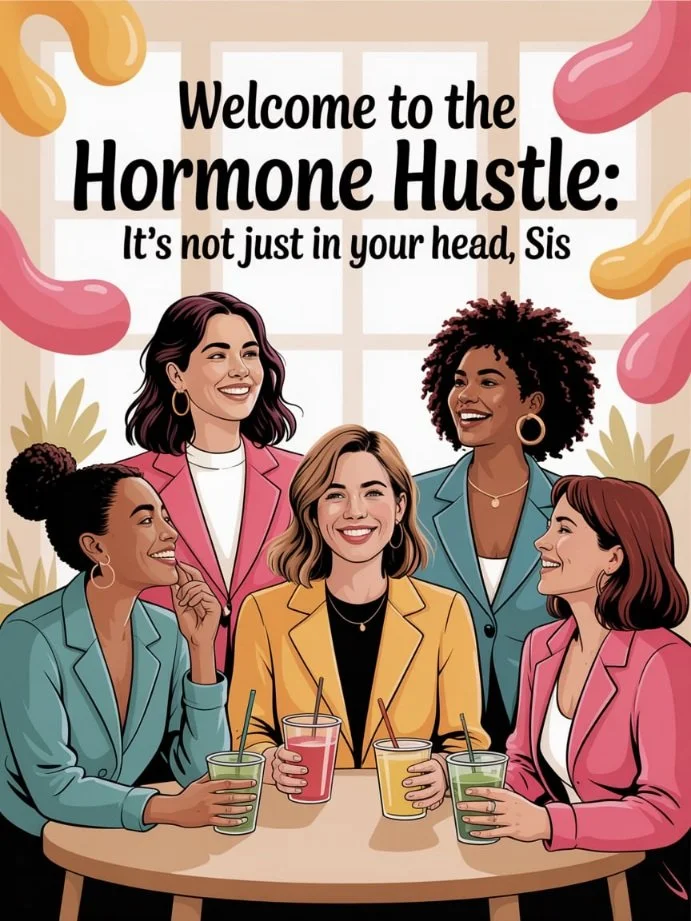
💫 Welcome to the Hormone Hustle: It’s Not Just In Your Head, Sis
You’ve been Googling things like “why do I feel like a zombie but my labs are normal?” or “hormone therapy for women over 35"—and now, here you are. Exhausted, bloated, mentally foggy, and possibly crying over sandwich commercials. (No judgment.) You’re not broken—you’re just hormonally human. And you’re definitely not alone.
Somewhere in your mid-30s (yep, thirty), your once-reliable hormone symphony begins to go out of tune. Estrogen starts dropping, progesterone dips even faster, and you may find yourself wide awake at 3 AM, wondering if you’re losing your mind—or your edge. Spoiler alert: You’re not crazy. You’re likely in perimenopause.
Let’s break down what’s really going on and how Hormone Replenishment Therapy—done the right way—can help you feel like yourself again.
🧬 The Hormone Rollercoaster: Who’s Dropping First?
Hormones don’t just manage your monthly cycle. They regulate your mood, metabolism, energy, brain function, and so much more. Here's a breakdown of key hormones, what they do, when they decline, and which ones are neuroprotective:
🌸 Estrogen
Role: Regulates periods, maintains bones, supports brain health, improves mood and skin
Decline begins: Mid-to-late 30s, then sharply in perimenopause
Neuroprotective: YES — protects against Alzheimer’s and supports cognition
🌙 Progesterone
Role: Balances estrogen, calms the nervous system, promotes sleep, reduces anxiety
Decline begins: Around age 35, often the first to drop
Neuroprotective: YES — calming and stabilizing effects on the brain
🔥 Testosterone
Role: Libido, motivation, mood, muscle strength, bone health
Decline begins: Around age 30
Neuroprotective: YES — helps with cognitive performance and mood regulation
🌿 DHEA
Role: Precursor to sex hormones, supports adrenal function, mood, immune health
Decline begins: Age 30, faster with chronic stress
Neuroprotective: YES — contributes to brain and emotional resilience
🧬 Thyroid Hormones (T3, T4, TSH)
Role: Control metabolism, energy, digestion, temperature regulation, and mood
Disruption begins: Mid-30s to 50s, often affected by stress and hormone shifts
Neuroprotective: Indirectly supports brain health via metabolic balance
✨ Cortisol
Role: Stress response, inflammation regulation, energy rhythms
Disruption begins: Chronic stress and hormone imbalance can spike or deplete cortisol
Neuroprotective: In balance, yes; when chronically elevated, it becomes neurotoxic
🧂 Insulin
Role: Regulates blood sugar, metabolism, and fat storage
Disruption begins: Often rises with age, weight gain, and hormonal decline
Neuroprotective: Balanced insulin helps support cognitive function and blood flow to the brain
🧪 Feeling Rough? Labs to Ask For
If you feel "off" but your doctor says you're "fine," ask for:
📉 Blood Tests (Serum):
Estradiol (E2)
Progesterone (Day 19-21 of cycle)
Free & Total Testosterone
DHEA-S
FSH & LH
TSH, Free T3, Free T4, Reverse T3, TPO & TG antibodies
Cortisol (serum or 4-point saliva)
Fasting insulin, HbA1c
👁 Functional Tests:
DUTCH Complete or DUTCH Plus — full hormone & adrenal picture
GI MAP — gut health and hormone detox support
DNA Health — genetic predispositions for hormone, detox, and methylation pathways
Hormones Panel — more precise hormone fluctuations
Core Metabolic Panel — systems overview including inflammation markers
Functional Blood Chemistry Analysis — nuanced ranges vs. standard labs
Micronutrient Testing — nutrient depletions driving hormone imbalances
🌟 Fun Fact:
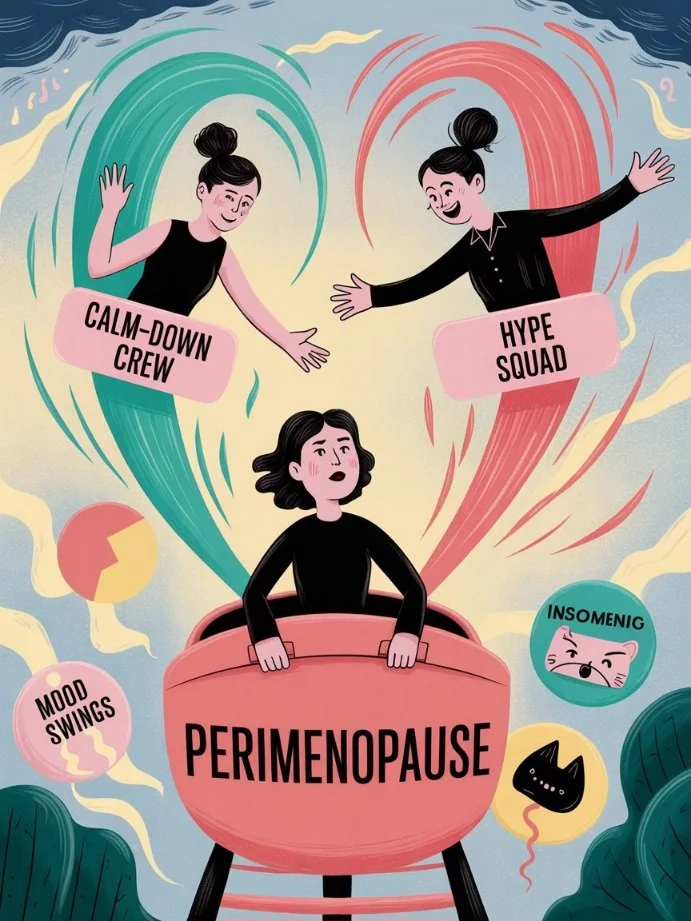
By the time most women hit their early 40s, their progesterone levels have dropped by nearly 75%—but estrogen hasn’t caught up yet. That hormonal mismatch is why perimenopause can feel like a wild emotional rollercoaster without a seatbelt. 🎢
Think of progesterone as the “calm-down crew” and estrogen as the “hype squad.” When one dips way before the other? Chaos. Mood swings, insomnia, and random crying over cat videos = totally valid. 🐱💔
🚌 What Exactly Is Hormone Replenishment Therapy?
Hormone Replenishment Therapy (HRT) is using hormones to bring your body back to optimal—not 21 again, but functionally fierce.
👩🎒 Types of HRT:
HRT: Conventional, often synthetic (like Premarin or progestins)
BHRT (Bioidentical): Plant-based, chemically identical to your natural hormones
CBHRT (Compounded BHRT): Custom formulas tailored to your exact lab results and needs
✅ HRT Can:
Improve sleep, mood, and memory
Balance insulin and weight
Boost libido and energy
Protect bones and heart
Help prevent cognitive decline when started in the "therapeutic window"
🥷🏾 Ethnicity, Menarche, and Your Menopause Clock
Every woman is unique, and your menopause timing is influenced by:
🫴🏾 When you started your period (menarche): Early onset often correlates with earlier menopause
🫴🏾 Ethnicity: Studies suggest that Black and Latina women may experience more intense perimenopausal symptoms and slightly earlier onset than white or Asian women
🫴🏾 Family history: Your mother’s menopause timing can be a clue for your own
🫴🏾 Lifestyle and stress: Smoking, poor diet, and high stress can accelerate decline
Knowing this helps you get ahead of symptoms before they derail your life.
💬 How to Talk to Your Doctor (Without Getting Dismissed)
Here’s a script you can use:
| "Hi, I’ve been experiencing symptoms like fatigue, irregular cycles, mood swings, and poor sleep. I’d like to get a full hormone and thyroid panel run and discuss both traditional and bioidentical hormone therapy options."
If your provider brushes it off?
| "Thank you, but I’d like to get a second opinion from a hormone-literate practitioner. I’m advocating for my health and want to feel like myself again."
You’re not being difficult. You’re being informed.
🌟 Final Thoughts: Your Hormones, Your Power
Hormone shifts are inevitable. But suffering through them isn’t. Whether you’re just noticing changes or already knee-deep in hot flashes and mood swings, the right support can transform your journey.
You don’t have to settle for "it’s just stress" or "you're getting older." Get the right tests, ask the right questions, and find the right practitioner.
📢 Ready to stop guessing and start healing?
Book a consultation today and get the personalized testing, education, and guidance you need to rebalance your hormones and reclaim your vitality.
Because midlife isn’t the end of your story. It’s just the part where you rise.
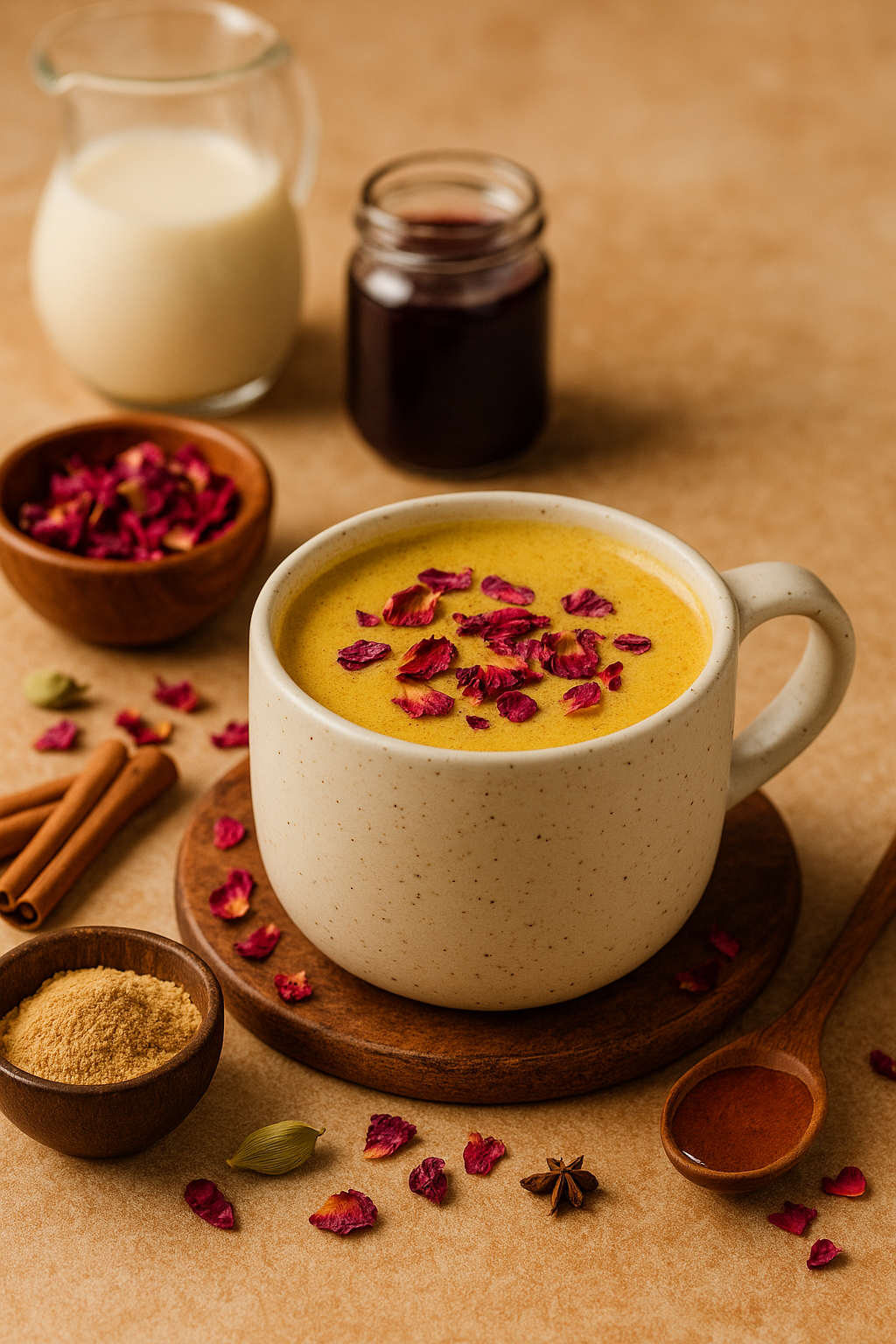
🍵✨ Golden Rose Moon Milk Elixir
A calming, hormone-hugging nightcap for women in perimenopause
🌿 Why You'll Love It:
This dreamy elixir blends ancient wisdom with modern functional nutrition. Designed to nourish your hormones, calm your nervous system, and help you sleep like a queen 👑, it’s a habit, not just a recipe.
🛒 Ingredients & Benefits
🥛 Liquid Base:
1 cup unsweetened almond or cashew milk 🥛 – Magnesium-rich, supports bones + sleep
🌼 Hormone Supporters:
1 tsp fresh grated turmeric or ½ tsp powder ✨ – Anti-inflammatory, estrogen detox
½ tsp maca root powder 🌱 – Adaptogen for libido, energy & hormone balance
1 tsp tart cherry concentrate or ¼ tsp powder 🍒 – Natural melatonin for deep sleep
1 tbsp dried rose petals (food grade) 🌹 – Mood-lifting, heart-opening, soothing
🍬 Flavor & Absorption Boosters:
¼ tsp Ceylon cinnamon 🌰 – Balances blood sugar
2 cardamom pods, lightly crushed 💚 – Warming & digestion-friendly
Pinch of black pepper 🧂 – Boosts turmeric absorption
1 tsp raw honey 🍯 (optional) – Natural antimicrobial + sweetness
⏱️ Time:
Prep: 5 min | Cook: 10 min | Serves: 1
Perfect before bed 🌙
👩🏾🍳 Step-by-Step Instructions
1️⃣ Simmer the Base
In a small saucepan over medium-low heat, combine:
🥛 Almond/cashew milk, ✨ turmeric, 🌰 cinnamon, 💚 cardamom, and 🧂 black pepper.
Let it simmer gently for 5–7 minutes, stirring occasionally.
2️⃣ Add Hormone Helpers
Reduce heat to low. Then gently whisk in:
🌱 Maca, 🍒 tart cherry, and 🌹 rose petals.
Cover the pot and steep for 3 minutes. Do not boil!
3️⃣ Strain & Sweeten
Strain into your favorite mug 💖
Stir in 🍯 raw honey only if the mixture has cooled slightly to protect nutrients.
4️⃣ Garnish & Glow
Top with a sprinkle of 🌹 rose petals or a cinnamon stick for a cozy, elegant touch.
Sip slowly, breathe deeply… and feel yourself melt into serenity 🧘🏾♀️✨
🌙 When to Enjoy It:
30–60 minutes before bed 🛌
After an intense day to wind down 🧠
During your luteal phase (days 17–28 of your cycle) for progesterone support 💞
References
🧠 General Hormone Health & Perimenopause
1. North American Menopause Society (NAMS)
Offers clinical guidelines and patient-friendly resources on HRT, BHRT, and menopause transition.
2. Cleveland Clinic: Hormone Replacement Therapy
🔗 https://my.clevelandclinic.org/health/treatments/16741-hormone-replacement-therapy
3. Mayo Clinic: Perimenopause
🔗 https://www.mayoclinic.org/diseases-conditions/perimenopause
Defines the stages, symptoms, and options for care.
🧪 Functional Testing & Personalized Medicine
4. Precision Analytical (DUTCH Test)
Leader in dried urine hormone testing (DUTCH Complete & DUTCH Plus).
5. Genova Diagnostics
Offers DNA testing, GI MAP, and hormone panels.
6. Vibrant Wellness
🔗 https://www.vibrant-wellness.com
Offers micronutrient testing, food sensitivity, and genetic wellness panels.
7. Designs for Health Clinical Rounds: Hormone Education
🔗 https://www.designsforhealth.com
Practitioner-based education on hormones, detox, and bioidentical therapy.
🧬 Hormone Decline & Neuroprotection
8. National Institutes of Health (NIH): Hormones and the Brain
🔗 https://www.ncbi.nlm.nih.gov/pmc/articles/PMC4780306/
Discusses estrogen’s role in neuroprotection and cognition.
9. Harvard Health: Why hormones matter for women’s brains
🔗 https://www.health.harvard.edu/womens-health/estrogen-and-womens-brains
👩🏾🦱 Ethnicity & Timing of Menopause
10. Study of Women’s Health Across the Nation (SWAN)
Landmark study on how race, lifestyle, and genetics impact menopause onset.
11. Journal of Clinical Endocrinology & Metabolism
🔗 https://academic.oup.com/jcem
Offers peer-reviewed studies on hormonal fluctuations by age and ethnicity.
Blog Disclaimer
The health information on this blog is for general educational purposes only and is not intended to diagnose, treat, cure, or prevent any disease. It should not be used as a substitute for professional medical advice. Always consult a qualified healthcare provider before making any health-related decisions
This blog may contain affiliate links, meaning Leaves from the Tree of Life LLC may earn a small commission if you purchase a product or service through these links—at no additional cost to you. Your support helps us continue to provide valuable content. Thank you!
