
The Healing Power of Natural Fabrics: A Deep Dive into Fabric Frequencies and Endocrine Health
The Healing Power of Natural Fabrics: A Deep Dive into Fabric Frequencies and Endocrine Health
When it comes to maintaining vibrant health, few people think about the clothes on their backs. However, the fabrics we wear have a direct impact on our body's energy and overall well-being. Natural fibers like cotton, linen, and wool possess unique vibrational frequencies that promote healing and balance in the body, especially when it comes to the delicate endocrine system. In contrast, synthetic fabrics like polyester, nylon, and acrylic can disrupt these frequencies, creating unseen harm to our health. Let’s explore how fabrics impact our bodies, the science behind fabric frequencies, and why it's crucial to choose natural fibers for your wardrobe.
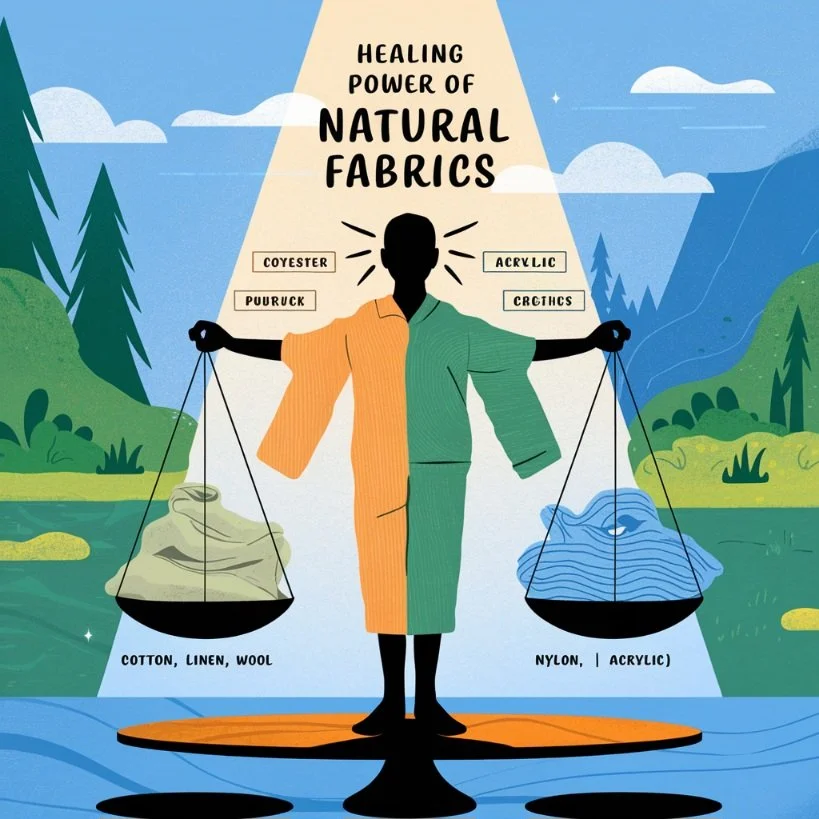
Fabric Frequencies: The Research Behind Natural vs. Synthetic Fibers
Dr. Heidi Yellen’s groundbreaking study on fabric frequencies reveals that clothing made from natural fibers resonates at frequencies that promote healing in the human body. Yellen found that:
🌿 Linen has a vibrational frequency of 5,000 Hz, the highest of all fabrics.
🌿 Wool has a frequency of 5,000 Hz when worn separately from linen (these two should not be worn together as they cancel each other out).
🌿 Cotton has a frequency that aligns well with the human body, promoting balance and vitality.
In contrast, synthetic fabrics like polyester, nylon, and acrylic have a frequency of zero. These man-made fibers do not resonate with the human body, causing disharmony and potential health issues.
How Fabric Frequencies Affect the Endocrine System
The endocrine system is a network of glands that produces hormones essential for regulating metabolism, growth, reproduction, and mood. Hormones are chemical messengers that influence nearly every bodily function. When the endocrine system is disrupted, it can lead to a host of issues, including:
Hormonal imbalances
Thyroid dysfunction
Fertility problems
Mood disorders
One of the most overlooked disruptors to the endocrine system is synthetic fabrics. Many synthetic fibers are made from petroleum-based plastics, which release toxic chemicals like phthalates and BPA. These chemicals are known endocrine disruptors that can mimic or block natural hormones, leading to imbalances.
The Danger of Endocrine Disruptors in Synthetic Fabrics
Synthetic fabrics, often made from petroleum-based plastics, release chemicals such as phthalates and BPA, which are known endocrine disruptors. When these fabrics come into contact with the skin, the body absorbs these harmful chemicals, causing toxic buildup that can interfere with hormone function.
Health Challenges Linked to Wearing Synthetic Fabrics
Wearing synthetic fabrics comes with a host of health risks. Here are 10 simplified breakdown of the issues and how they affect the body:
1. Endocrine Disruption
What happens: Synthetic fabrics release chemicals that mimic or block natural hormones, leading to imbalances.
Potential effects:
Hormonal imbalances
Thyroid dysfunction
Infertility
Early puberty
Mood disorders
2. Skin Irritation and Allergies
What happens: Synthetic fabrics trap moisture and chemicals against the skin, causing irritation.
Potential effects:
Rashes
Itching
Contact dermatitis
Eczema flare-ups
3. Overheating and Poor Temperature Regulation
What happens: Synthetic fabrics don't breathe well, causing overheating and trapping sweat.
Potential effects:
Overheating
Excessive sweating
Increased risk of heat rash
4. Toxic Chemical Absorption
What happens: Chemicals in synthetic fabrics are absorbed through the skin, entering the bloodstream.
Potential effects:
Toxic overload
Headaches
Fatigue
Brain fog
5. Impaired Immune System Function
What happens: Continuous exposure to off-gassing chemicals from synthetic fabrics weakens the immune system.
Potential effects:
Increased risk of infections
Allergies
Autoimmune disorders
Fun Fact:
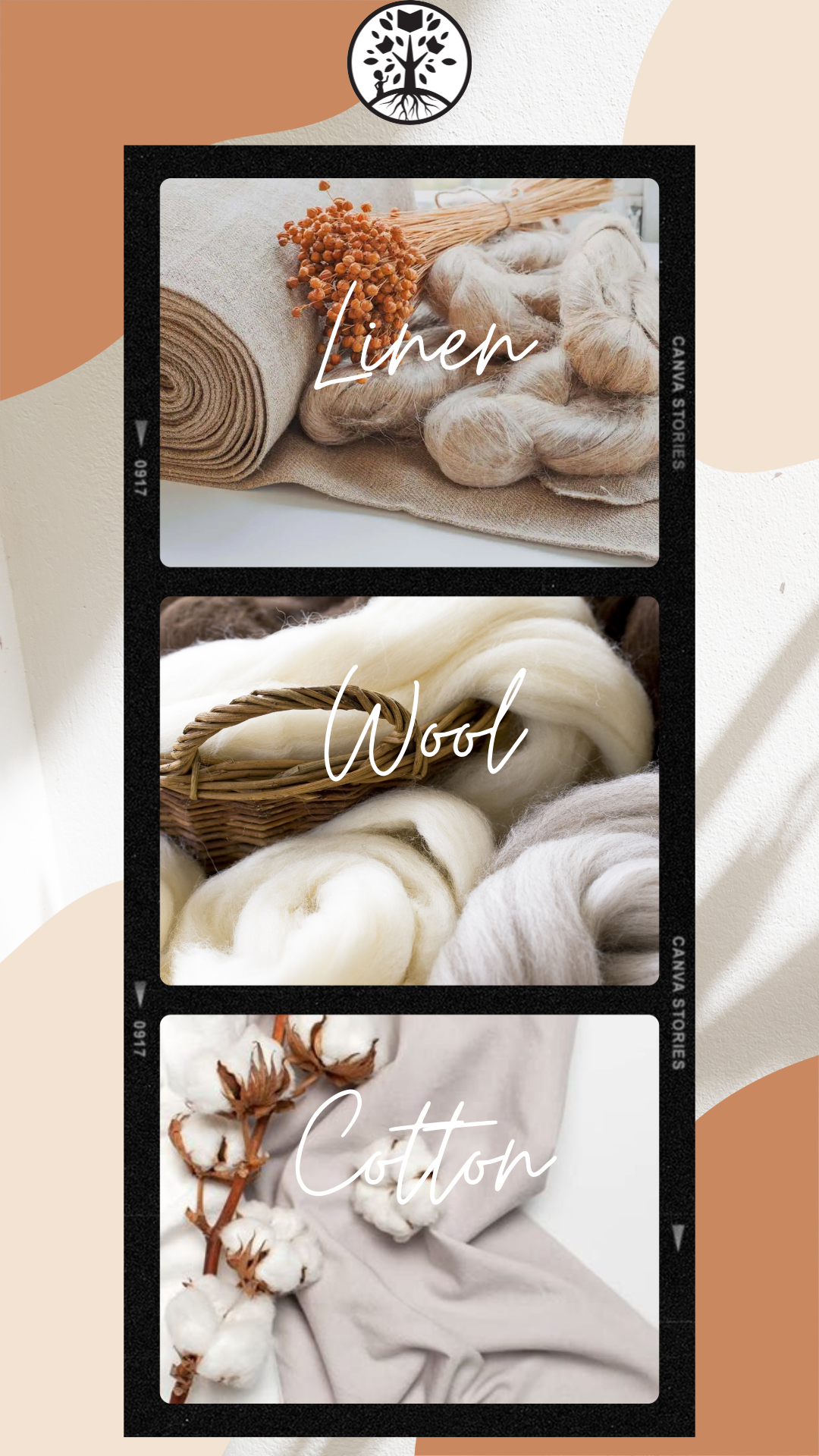
Did you know that in ancient Egypt, linen was considered so sacred that it was used to wrap mummies? Egyptians believed linen had purifying and protective properties, preserving both the body and spirit.
Modern research supports this ancient wisdom. Linen has a vibrational frequency of 5,000 Hz, the highest among all fabrics, making it a powerful material for promoting health and energy balance. It is also naturally antimicrobial, temperature-regulating, and highly breathable. Choosing linen and other natural fabrics isn’t just a style choice—it’s a way to support overall well-being, just as civilizations have done for thousands of years.
6. Disrupted Sleep Patterns
What happens: Wearing synthetic pajamas or sleeping on synthetic bedding interferes with the body’s energy field.
Potential effects:
Poor melatonin production
Circadian rhythm disruption
Reduced sleep quality
7. Reproductive Health Issues
What happens: Chemicals in synthetic fabrics can affect fertility.
Potential effects:
Decreased sperm count in men
Menstrual irregularities in women
Increased risk of infertility
8. Increased Risk of Cancer
What happens: Synthetic fabrics are often treated with harmful chemicals like formaldehyde and flame retardants.
Potential effects:
Breast cancer
Skin cancer
Lung cancer (due to inhalation of fabric off-gassing)
9. Respiratory Issues
What happens: Synthetic fabrics shed microplastics, which are inhaled or absorbed.
Potential effects:
Asthma
Chronic respiratory problems
Lung irritation
10. Microplastic Pollution and Environmental Impact
What happens: Synthetic clothing sheds microplastics during washing, polluting water systems.
Potential effects:
Contamination of water systems
Entry into the food chain
Long-term health risks from microplastic ingestion
The Healing Properties of Natural Fabrics
Unlike synthetic materials, natural fibers like linen, wool, and cotton work in harmony with the human body. Here’s how they promote health:
Linen: The Fabric of Healing
Resonates at 5,000 Hz.
Promotes antimicrobial and antibacterial properties.
Helps regulate body temperature, reducing stress on the endocrine system.
The Bible references linen as the fabric worn by priests in the sanctuary, symbolizing purity and holiness (Exodus 28:39).
Wool: Nature’s Insulator
Resonates at 5,000 Hz.
Improves circulation and reduces inflammation.
Supports the immune system by keeping the body’s energy balanced.
Cotton: The Everyday Essential
Aligns with the human body’s natural energy field.
Soft, breathable, and hypoallergenic, making it ideal for sensitive skin.
Allows the skin to breathe, preventing toxins from being trapped.
Biblical and Ellen G. White’s Guidance on Natural Fabrics
The Bible emphasizes the importance of natural fabrics. In Leviticus 19:19, God instructed His people not to mix fibers, underscoring the significance of what we wear.
Ellen G. White also advocated for simple, natural clothing that promotes health and well-being, noting that natural fabrics allow the body to function as God intended.
Practical Tips for Choosing Natural Fiber Clothing
🫴🏾 Check the Labels – Look for 100% cotton, linen, wool, or other natural fibers. Avoid anything labeled with polyester, acrylic, nylon, or spandex.
🫴🏾 Choose Sustainable Brands – Support companies that prioritize natural fabrics and ethical production.
Where to Buy Natural Fiber Clothing
LTL-Merch: Our own line of natural fiber clothing that prioritizes health and modesty.
PACT: Known for sustainable, organic cotton clothing.
Rapanui: A UK-based brand focusing on organic, eco-friendly fashion.
Conclusion: Dress for Health and Healing
The fabrics we choose to wear have a profound impact on our health. Natural fibers like linen, wool, and cotton resonate with the human body, promoting healing and balance, especially in the endocrine system. In contrast, synthetic fabrics can disrupt the body's natural rhythms and introduce harmful chemicals that burden our health.
As Seventh-day Adventists, we recognize that health is a divine gift. By choosing natural fabrics, we not only honor the temple God has given us but also align ourselves with His natural laws of health. Let us be intentional in our choices, from what we eat to what we wear, promoting healing and wholeness in every aspect of our lives.
“Beloved, I pray that you may prosper in all things and be in health, just as your soul prospers.” – 3 John 1:2
Take the step today to make mindful wardrobe choices. Choose health. Choose healing. Choose natural fibers.
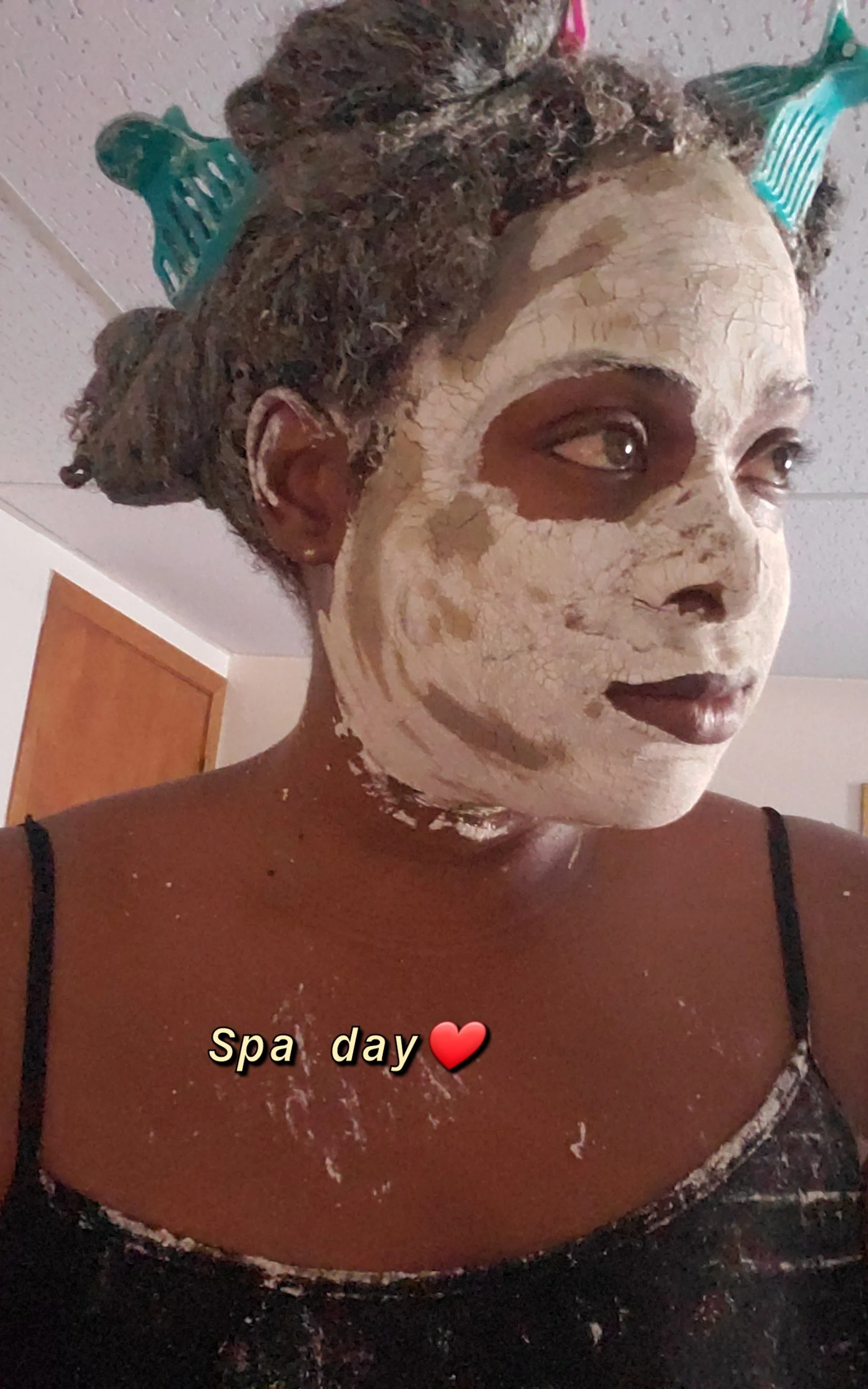
Glow Up with Bentonite Clay: Simple Detox Face Mask Recipes! ✨💚
Bentonite clay is a powerhouse for detoxing the skin! It pulls out toxins, unclogs pores, and leaves your skin feeling fresh, soft, and radiant. When paired with doTERRA essential oils, it enhances the benefits for an even deeper cleanse and glow. Here are a few quick, supercharged recipes to try!
1️⃣ Purifying Glow Mask (Best for Oily & Acne-Prone Skin) 🌿✨
Ingredients:
1 tbsp Bentonite Clay (absorbs oil, detoxifies, tightens pores)
1 tsp Apple Cider Vinegar (balances pH, fights bacteria)
2 drops doTERRA Tea Tree Oil (fights acne, reduces redness)
1 drop doTERRA Lavender Oil (calms irritation, soothes skin)
A splash of water (to reach a smooth consistency)
How to Use:
Mix all ingredients in a small bowl (avoid metal utensils). Apply evenly to your face, let dry for 10-15 minutes, then rinse with warm water.
🔹 Why it works? This mask deeply cleanses and fights breakouts while soothing irritation!
2️⃣ Hydrating & Brightening Mask (Best for Dry, Dull Skin) 💦🌞
Ingredients:
1 tbsp Bentonite Clay (detoxifies while nourishing minerals)
1 tsp Raw Honey (deeply hydrates, antibacterial)
1 tbsp Aloe Vera Gel (soothes, heals, and hydrates)
2 drops doTERRA Frankincense Oil (boosts cell renewal, fights aging)
1 drop doTERRA Rose Oil (ultra-moisturizing, enhances glow)
How to Use:
Mix everything into a creamy paste. Apply a thin layer, leave on for 10-12 minutes, then rinse off with lukewarm water.
💖 Why it works? This mask deeply hydrates, nourishes, and brightens your skin—perfect for a dewy finish!
3️⃣ Deep Detox Charcoal Mask (Best for Congested Skin & Large Pores) 🖤🌿
Ingredients:
1 tbsp Bentonite Clay (pulls out deep-set toxins)
½ tsp Activated Charcoal (absorbs dirt & impurities)
1 tsp Witch Hazel (tightens pores, tones skin)
2 drops doTERRA Lemon Oil (brightens, exfoliates)
1 drop doTERRA Peppermint Oil (refreshes & cools skin)
How to Use:
Mix into a paste and apply a thin layer. Let it sit for 8-10 minutes before rinsing with warm water.
⚡ Why it works? Charcoal and clay make a dream team for unclogging pores and leaving skin feeling super fresh!
🌿 TIPS FOR BEST RESULTS:
✔️ Always use non-metal bowls & spoons (metal can reduce the clay’s effectiveness)
✔️ Apply once or twice a week for best results
✔️ Follow with a hydrating moisturizer to keep skin balanced
Your skin will thank you for this deep cleanse and nourishment! 🌸✨ Try one today and let your natural glow shine! 😍💚
Citation:
https://austinpublishinggroup.com/textile-engineering/fulltext/arte-v2-id1012.php
https://pmc.ncbi.nlm.nih.gov/articles/PMC6123651/
https://www.scribd.com/document/235007178/Scientific-Details-of-the-Linen-Frequency-Study
https://wwwn.cdc.gov/TSP/PHS/PHS.aspx?phsid=906&toxid=185
https://youtu.be/0Tg53ciRsOE?si=-s3Agc5Tu9GNglmP
Blog Disclaimer
The health information on this blog is for general educational purposes only and is not intended to diagnose, treat, cure, or prevent any disease. It should not be used as a substitute for professional medical advice. Always consult a qualified healthcare provider before making any health-related decisions.
This blog may contain affiliate links, meaning Leaves from the Tree of Life LLC may earn a small commission if you purchase a product or service through these links—at no additional cost to you. Your support helps us continue to provide valuable content. Thank you!
✨ Unlock expert wellness insights! 🌿 Subscribe now for exclusive health tips & natural living secrets! 🌱💪🏾
